Water Heater Repair vs. Replacement: How to Decide
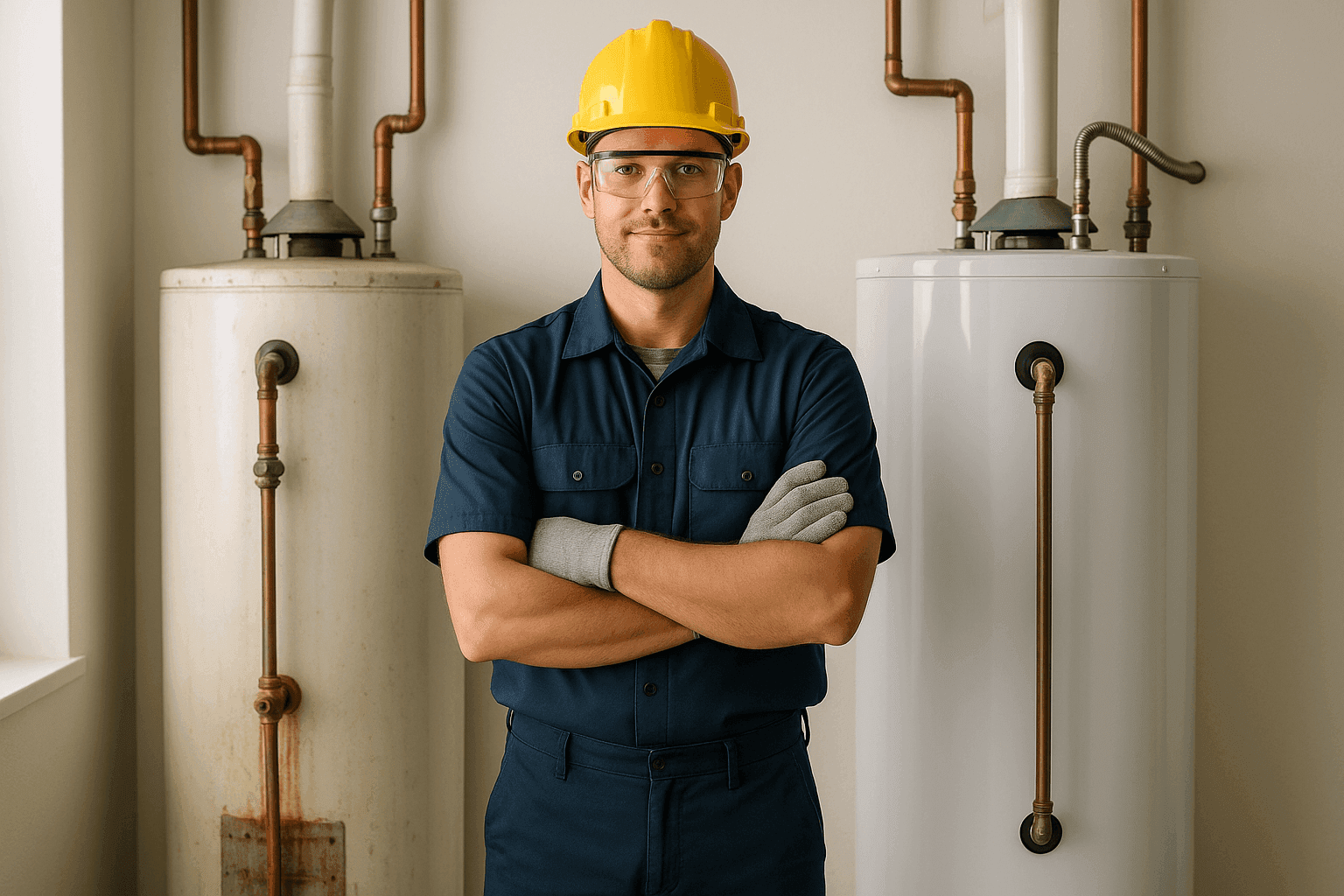
Has your morning shower turned into an ice bath? Or maybe you’ve heard a strange rumbling from the water heater closet at 2 a.m.? You’re not alone. Water heaters have a way of demanding attention at the most inconvenient times. And when they do, it’s easy to feel overwhelmed. Hynes Plumbing responds to plumbing emergencies like these 24/7, helping families decide whether a repair or replacement is the right move.
Let’s dig into the signs, options, and real-world tips so you get hot water flowing—without unnecessary stress or expense.
Signs Your Water Heater Needs Attention 🚨
Water heaters rarely fail without warning. Like a car that starts making new noises, your water heater will drop hints if something’s wrong. Watch for these red flags:
- No hot water: The most obvious, but not always a death sentence for your heater.
- Inconsistent temperatures: Hot, then cold, then lukewarm? That’s a clue.
- Strange noises: Popping, banging, or rumbling sounds often mean sediment buildup.
- Rust-colored water: This could signal corrosion inside the tank.
- Leaking: Puddles under or around the unit need immediate attention.
- Rising energy bills: An old or struggling heater uses more electricity or gas to do the same job.
Typical Water Heater Lifespans (Real Data):
- Standard tank models: 8–12 years (U.S. Department of Energy)
- Tankless models: 15–20 years (EPA ENERGY STAR®)
If your heater is nudging past these numbers, it might be time to consider your next step.
When a Repair Makes Sense 🛠️
Not every hiccup means you need a new water heater. Sometimes, a quick fix solves the problem.
Repair is usually best when:
- The unit is under 8 years old.
- The issue is a faulty thermostat, heating element, or pressure relief valve.
- There’s minor sediment buildup (flushing can help).
- The leak is from a pipe or fitting—not the tank itself.
- The cost of repair is less than half the price of a new unit.
Quick Repair Checklist:
- Check the circuit breaker or gas supply.
- Inspect for visible leaks at connections.
- Listen for new or worsening sounds.
- Feel the tank: Is it hot, or just warm?
Practical Tip:
Always check your water heater’s warranty. Some parts (like tanks or thermostats) may still be covered, lowering your out-of-pocket cost. Look for your model/serial number and call the manufacturer.
When Replacement is Smarter 🔄
Sometimes, the fix isn’t worth the fuss—or the risk. Like patching a well-worn tire, repairs on an aging water heater can be short-lived.
Replacement is the better bet if:
- Your heater is 10+ years old.
- The tank itself is leaking (not fixable).
- Repairs are frequent or cost more than half a new heater.
- You want to upgrade to better energy efficiency or capacity.
- You notice rust in the tank or hot water.
- The unit can’t meet your household’s hot water needs.
Real-World Lifespan Example: Mrs. Richardson, a Hynes Plumbing customer, had a 14-year-old water heater with leaking at the base. Rather than sinking more money into repairs, she opted for replacement. The new unit cut her energy bills by 20% and gave her peace of mind.
Energy Rebates & Warranties: Modern water heaters often qualify for local utility rebates or federal energy incentives (see Energy.gov for current programs). Many new units also come with multi-year warranties—protecting your investment.
Cost and Efficiency Comparison 💰
Money matters. So does long-term value.
Repair Costs (Range):
- Small fixes (thermostat, element, valve): Lower cost
- Major fixes (tank leaks, severe corrosion): Higher cost, sometimes approaching replacement
Replacement Costs:
- New tank heaters: Higher upfront, but spread over years of reliable use
- Tankless/on-demand heaters: More upfront, but can last longer and lower bills
Efficiency:
- Newer models (especially ENERGY STAR®) can use 10–20% less energy than older units.
- Consider the cost of repeated repairs, lost energy, and the risk of water damage from a failing heater.
Checklist for Comparing Costs:
- Age of current unit
- Frequency and cost of past repairs
- Energy usage (ask for utility bill comparisons)
- Warranty status on old vs. new unit
- Local rebates available for high-efficiency upgrades
How Hynes Plumbing Helps Decide 🧰
This isn’t just about pipes and parts. It’s about your comfort, safety, and household budget.
When you call Hynes Plumbing, here’s how we help:
- Thorough Inspection: We check age, condition, and performance—no guesswork.
- Upfront Options: We clearly explain your repair and replacement choices.
- Licensed, Code-Compliant Work: All recommendations follow National Standard Plumbing Code and local requirements.
- Access to Rebates: We’ll alert you to any energy rebates or tax credits you might qualify for.
- Honest Feedback: If a repair is all you need, we’ll say so. If replacement is safer, we’ll explain why.
Customer Testimonial:
"We thought we’d have to replace our water heater after it stopped working. Hynes Plumbing found it was just a faulty valve—fixed fast, no upsell."
— The Millers, Residential Customers
Another Customer Experience:
"Our basement flooded from a failed heater. Hynes Plumbing responded that night, replaced the unit, and handled the cleanup. Wish we’d called sooner!"
— Mr. Tran, Homeowner
Practical Maintenance Tips 🗓️
Keep your water heater running longer and safer with regular care.
- Flush the tank yearly to remove sediment (follow manufacturer instructions).
- Test the pressure relief valve every 6–12 months.
- Set thermostat to 120°F to prevent scalding and save energy.
- Insulate older tanks to retain heat.
- Schedule annual plumbing inspections—especially before winter.
Authoritative Source:
Follow guidance from the U.S. Department of Energy and manufacturer manuals for safe DIY steps.
Frequently Asked Questions
How long do water heaters typically last?
Most tank water heaters last 8–12 years. Tankless models can go 15–20 with proper maintenance. If your unit is older, replacing could be the safer, more economical choice.
What signs mean I should call emergency plumbing?
Call for emergency plumbing if you see:
- Water pooling around the heater
- No hot water and you can’t reset it
- Gas smells or carbon monoxide alarms
- Unusual noises or rapid leaks
Is it safe to repair a leaking water heater myself?
Small leaks at pipe joints can sometimes be tightened. But if the tank itself drips or sprays, turn off power/gas and water, then call a pro. Damaged tanks can burst.
Are new heaters really more efficient?
Yes. New water heaters, especially ENERGY STAR® models, are designed for better insulation and lower energy use. Over time, they can pay for themselves in savings.
Local and Seasonal Considerations 🌧️
Where you live—and the time of year—matters.
- Cold winters: Older heaters work harder and are more prone to breakdown.
- Hard water regions: Mineral buildup shortens heater lifespan. Consider a water filtration system.
- Frequent power outages: Tankless models may need backup power to function.
- Legal requirements: Many areas require permits for replacement—Hynes Plumbing handles this for you.
Ready for Reliable Hot Water?
Don’t wait for a cold shower or a flooded basement. If you’re unsure whether repair or replacement is right for you, call a licensed professional for a clear, honest assessment.
Call Hynes Plumbing now — or reach us anytime at 888-426-1013 .