Emergency Plumbing Guide: What to Do Before Help Arrives
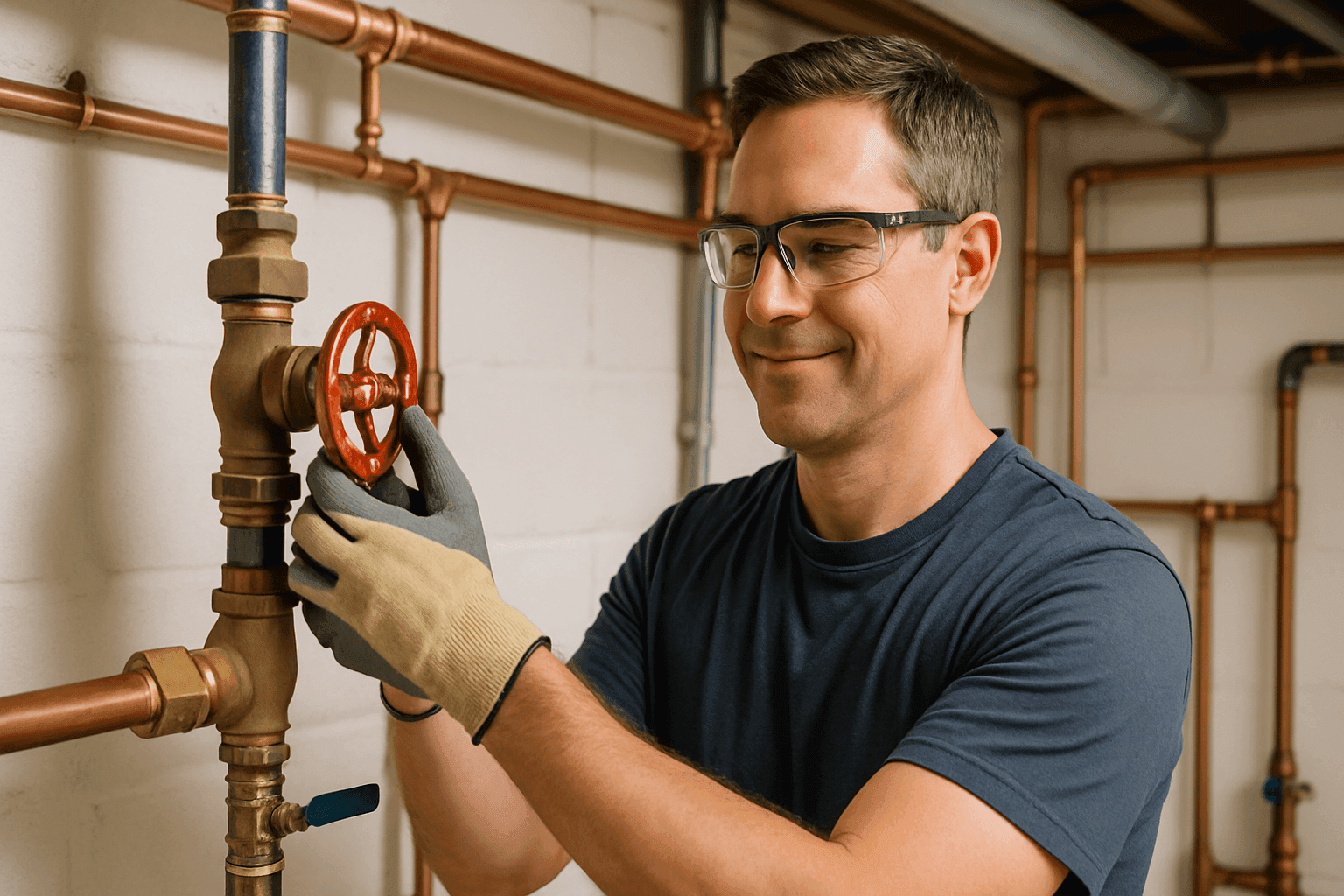
When water’s pouring through your ceiling or your bathroom’s filling up fast, it’s easy to panic. Plumbing emergencies strike without warning, and every second counts. We’ve seen it all at Hynes Plumbing—midnight leaks, frozen pipes in January, and overflowing toilets during family gatherings.
But you’re not alone. Our licensed, insured team handles emergency plumbing with care, speed, and respect for your home. Here’s exactly what to do—step by step—before help arrives.
Recognizing a Plumbing Emergency 🛑
Some plumbing troubles can wait. Others can’t. Here’s what separates an urgent issue from an inconvenience:
- Burst pipes: Water gushing or spraying, especially in winter.
- Sewer backups: Foul odors, water rising from drains, or toilets overflowing.
- No hot water: Sudden lack of hot water can signal water heater failure.
- Leaks near electrical outlets: Water and electricity don’t mix.
- Flooding: Standing water builds up fast.
- No water at all: Total loss of water supply.
If any of these happen, it’s time for emergency plumbing help. Not sure? When in doubt, treat water where it shouldn’t be as urgent.
Real-World Example
Last winter, Mrs. Carter woke up to a loud pop and rushing water in her basement. Ice had split a pipe overnight. Her quick call saved her floors and furniture—our crew arrived within the hour, shut off the main, and started repairs.
Immediate Actions to Take: Quick Safety Checklist
Every minute matters. Grab this checklist and move quickly:
- Shut off the water supply.
- For most homes, the main valve is in the basement, garage, or near the curb. Turn clockwise to close.
- Switch off electricity if water is near outlets or appliances.
- Head to your breaker box and turn off the affected area.
- Move valuables and electronics.
- Get items off the floor and out of harm’s way.
- Contain small leaks with towels, buckets, or pans.
- Avoid using sinks or toilets if the sewer line is backing up.
- Document the damage.
- Take quick photos for insurance.
Quick Shut-Off Guide
- Locate the main water valve (usually a round wheel or lever).
- Turn it clockwise until it stops.
- Open a faucet at the lowest point in your home to drain the system.
If you smell gas during a plumbing emergency, leave the home and call your gas provider or emergency services right away.
Protecting Your Home from Water Damage
Water moves fast—like dye spreading through a glass of water. The longer it sits, the more damage it brings.
- Remove area rugs and furniture from affected rooms.
- Lift drapes or curtains off the floor.
- Keep doors to unaffected areas closed to limit spread.
- Ventilate: If safe, open windows to help dry things out.
- Don’t use household vacuums for standing water. (It’s an electrical hazard.)
A few towels now can save you hours of cleanup later. Mold can start growing within 24–48 hours, so time matters.
When to Call a Professional
Some fixes just aren’t safe or practical for homeowners—especially under stress. Reach out to Hynes Plumbing when:
- You can’t stop the leak or flooding.
- Water is coming from the ceiling, walls, or electrical fixtures.
- The main water shut-off doesn’t work, or you can’t find it.
- You suspect a gas leak or smell rotten eggs.
- Sewage is backing up into your sinks, tubs, or toilets.
- The problem involves your water heater, boiler, or gas line.
Our team is available 24/7. We’re fully licensed and follow local and national plumbing codes (see: International Plumbing Code, local ordinances).
DIY vs. Call a Pro
It’s tempting to grab a wrench. But some repairs are like trying to patch a dam with duct tape.
Safe for DIY:
- Tightening a loose fixture.
- Using a plunger for minor toilet clogs.
- Catching drips in a bucket.
Leave to the Pros:
- Cutting or soldering pipes.
- Gas line or water heater repair.
- Sewer line issues.
- Anything involving electricity or structural damage.
Never use chemical drain cleaners—they can cause burns, pipe damage, and toxic fumes.
Hynes Plumbing’s Rapid Response: What to Expect
When you call us, here’s how we help:
- Immediate phone support: Our dispatchers walk you through shutting off water and power if needed.
- Arrival in fully stocked vans: We bring the right tools and parts for Water Heater Repair near you, pipe bursts, sewer issues, and more.
- Diagnosis and repair: Licensed technicians assess, explain the problem, and fix it safely.
- Clear communication: We let you know what happened, what’s next, and how to prevent repeat issues.
Testimonial
"Hynes Plumbing showed up at 2 a.m. when my basement sump pump failed during a storm. They saved my home from major flood damage. Professional and quick!"
— Mark T., Homeowner
Seasonal Considerations (Winter Freezes, Storms, Holidays) ❄️
Every season brings its own risks. Here’s what to know:
Winter (Northern Regions)
- Frozen pipes: Keep your home warm, especially near vulnerable pipes.
- Let faucets drip during extreme cold to keep water moving.
- Know where your main shut-off is before a freeze hits.
Hurricanes & Storms (Southern/Coastal Areas)
- Backflow prevention: Install devices to stop sewage from entering your home.
- Check sump pumps: Before heavy rain, test your pump and battery backup.
- Clear gutters and drains to prevent backups.
Holidays
- Extra guests: More water use means more strain on pipes and drains.
- Avoid dumping fats or food scraps down the kitchen sink—use the trash.
What Not to Do During a Plumbing Emergency
- Don’t ignore the problem—small leaks grow fast.
- Don’t use electrical appliances in wet areas.
- Don’t try to thaw frozen pipes with open flames.
- Don’t pour chemicals down drains.
- Don’t wait to call if you’re unsure—faster action means less damage.
Real-World Emergencies We’ve Handled
- Sudden water heater rupture—contained within 20 minutes thanks to a homeowner who knew their shut-off valve.
- Sewer backup during a summer storm—minimized by backflow prevention Hynes Plumbing installed earlier in the year.
- Burst pipe during a cold snap—our technician arrived before the ice melted, limiting water damage.
Frequently Asked Questions
Q: How do I find my home’s main water shut-off?
A: Look in the basement, crawlspace, garage, or near the water meter. If you can’t find it, ask your plumber to label it during your next visit.
Q: Can I use my plumbing during a sewer backup?
A: No. Avoid all drains, sinks, and toilets until a professional inspects your system.
Q: What’s the fastest way to reach emergency plumbing near me?
A: Call Hynes Plumbing’s 24/7 line—our dispatcher will guide you through the first steps while help is on the way.
Q: Will insurance cover water damage?
A: Many policies cover sudden, accidental plumbing failures. Take photos and call your provider, but act fast to document the damage.
References
- International Plumbing Code (2024 edition)
- American Red Cross: Home Flooding Safety
- National Fire Protection Association: Electrical Safety in Wet Areas
Call Hynes Plumbing now — or reach us anytime at 888-426-1013 . Your home, your family, and your peace of mind matter to us—day or night.