How Much Does Water Heater Repair Cost? 2024 Pricing Guide
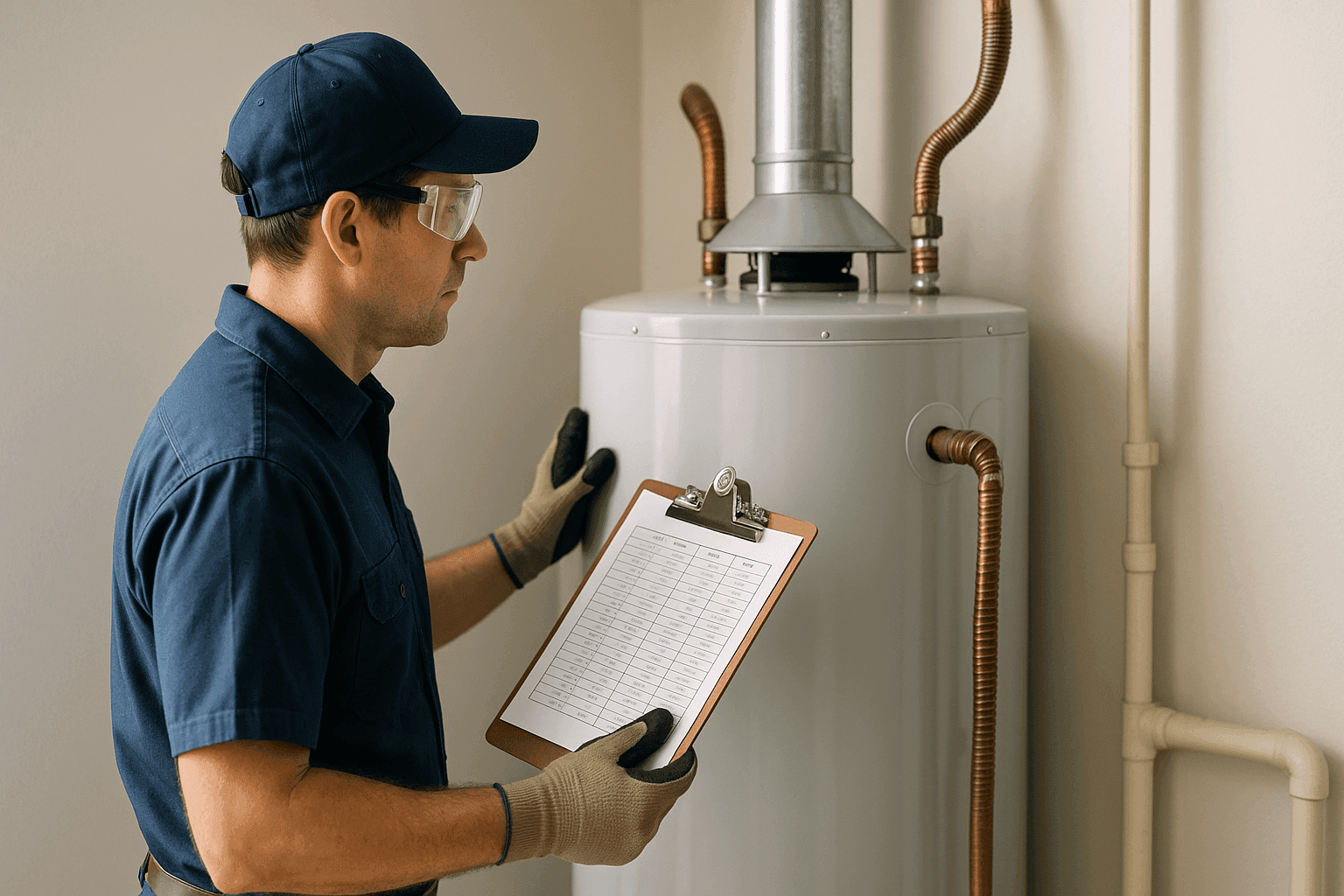
Is your morning shower suddenly a blast of ice? Or maybe you heard a drip-drip-drip and found a puddle below your water heater at midnight. Plumbing problems have a way of showing up when you least expect them. That’s why knowing what water heater repair really costs—and what’s fair—is so important.
At Hynes Plumbing, we’ve seen it all. From quick fixes to midnight emergencies, we believe in straight talk. No jargon. No mystery fees. Just real answers for homeowners who want to make smart choices.
Factors Affecting Water Heater Repair Cost 🛠️
No two water heater repairs are quite the same. Several details push the price up or down. Here’s what goes into your bill:
- Type of Water Heater: Tank (traditional) or tankless? Electric, gas, or hybrid? Each has its own quirks and parts.
- Age of Unit: Older heaters can mean pricier, harder-to-find parts.
- Severity of Problem: Is it a small leak, or is the tank rusted through?
- Emergency Service Timing: Nights, weekends, or holidays often add a premium.
- Location in Home: Tight crawlspaces and tricky attics can add labor costs.
- Local Code Requirements: Some regions require extra safety work or updated fittings. (See your local code or the International Residential Code for guidance.)
- Access: If the heater is buried behind walls or cabinets, expect more time on the clock.
A quick comparison: Replacing a thermostat is like swapping a battery in a flashlight. Replacing a cracked tank is more like rebuilding an engine.
Typical Price Ranges by Problem
You want figures, not fluff. Here’s what most homeowners pay for common water heater repairs in 2024:
- Thermostat replacement: $120–$300
- Heating element replacement: $150–$350
- Pressure relief valve fix: $90–$250
- Pilot light or ignition repair: $100–$325
- Minor leak repair: $150–$450
- Flushing sediment: $120–$300
- Full tank replacement (if repair not possible): $1,000–$2,500 (including new unit and install)
Prices can swing higher in major cities, or if your system is in a hard-to-reach spot. In most cases, simple repairs take just 1–2 hours. Bigger fixes? Add another hour or two.
Tank vs. Tankless Pricing
Not all heaters are created equal. Here’s how costs break down:
Tank Water Heaters
Standard tanks are the bread and butter of most homes. Repairs are usually more affordable—think $100–$500 for most issues. Parts are common, and most techs know their way around them.
Tankless Water Heaters
Tankless units are compact and energy-efficient, but when something fails, repairs can climb to $250–$800. Why? Specialized parts, complex electronics, and extra training for the plumber. Some fixes need manufacturer support.
Pro tip: If your tankless heater is over 12 years old and repair costs approach half the price of a new unit, replacement often makes more sense.
Hidden Fees to Watch For 💡
It’s easy to get tangled in a web of surprise charges. At Hynes Plumbing, we keep pricing as clear as a mountain stream. But not everyone does. Here are fees that sometimes catch homeowners off guard:
- Trip or Diagnostic Fees: Usually $50–$150, sometimes applied toward repair.
- After-Hours Premiums: Emergency plumbing at midnight can mean an extra $100–$300.
- Parts Markup: Some companies inflate the cost of parts well above retail.
- Disposal Fees: Hauling away an old unit can add $40–$100.
- Permit or Inspection Fees: Required in some areas for major repairs or replacement.
Red flag: If a quote seems sky-high for a simple fix, ask for a breakdown. Beware of upsells like “mandatory flushes” or “whole-home repiping” when your issue is isolated.
How to Save on Repairs
Paying for a repair doesn’t have to feel like tossing money down the drain. Here’s how to keep costs under control:
- Schedule during regular hours whenever possible.
- Get a written estimate before work begins.
- Ask about part warranties—many manufacturers cover replacement parts for 6–12 years, even if labor isn’t included.
- Maintain your heater: Regular annual flushes and inspections help dodge big repairs later.
- Know your local code: Some repairs may be optional depending on your region.
And remember, lowball quotes can hide corners being cut. Quality work usually sits somewhere in the middle of the price range.
Regional Cost Notes
Repair costs shift depending on where you live. Here’s what we see:
- Urban areas: Higher labor rates, tighter scheduling, and more code requirements.
- Suburbs and rural: Lower labor, but sometimes higher trip fees if you’re far from a service hub.
- Cold climates: More frequent repairs due to extra strain in winter months.
- High water mineral zones: More sediment issues, meaning more frequent flushes or element replacements.
Tip: Always ask if your plumber is licensed for your state or locality, especially for gas or electric work. The National Fire Protection Association and local utility codes set key safety standards.
When Repair vs. Replacement Makes Sense
Sometimes a repair is a quick fix. Other times, it’s just putting a bandage on a sinking ship. Here’s a good rule of thumb:
- Repair: If your heater is under 8 years old, and the fix costs less than half the price of a new unit.
- Replace: If it’s over 10–12 years, has a leaking tank, or you’re facing repeated repairs.
Modern heaters are more efficient and safer. You might save more in the long run by upgrading, especially if your energy bills are creeping up.
Hynes Plumbing’s Transparent Pricing & Warranty Approach
We believe in simple, upfront pricing. Before any work starts, you’ll see a clear, itemized estimate—no guesswork. We use quality parts from trusted brands. All repairs are performed to current safety standards (see the International Residential Code and manufacturer specifications).
Need extra peace of mind? Ask about our labor warranty on repairs and installations. We’re happy to explain what’s covered and what’s not, so there are no surprises later.
Red Flags for Unnecessary Upsells 🚩
Not every “urgent” repair is truly urgent. Watch out for:
- “You need a whole new heater because the thermostat failed.” (Often not true!)
- “Mandatory flushes” every few months (annual is usually enough).
- Claims that every leak means full repiping.
- Pushing high-priced “lifetime” parts without showing why your system needs them.
If something sounds off, don’t hesitate to get a second opinion.
FAQ: Water Heater Repair Costs
Q: How fast can emergency plumbing fix my water heater?
A: Most issues—no hot water, pilot out, minor leaks—can be repaired same-day, often in under two hours.
Q: Why do emergency plumbing rates cost more?
A: Nights, weekends, and holidays mean paying staff overtime and fast-tracking parts. It’s like calling a taxi at rush hour: higher demand, higher rate.
Q: Does homeowners insurance cover water heater repairs?
A: Usually, insurance covers sudden, accidental damage (like burst tanks causing water damage), but not normal wear and tear. Check your policy for details.
Q: Can I fix a water heater myself?
A: Simple resets or pilot relights? Maybe. But gas, electric, and pressure repairs are best left to licensed pros for safety.
Local & Seasonal Considerations 🌦️
- Winter: Water heaters work overtime, so leaks and failures are more common after cold snaps.
- Spring/Fall: Best time for preventative maintenance—flush sediment, check valves, inspect for rust.
- Summer: Less load, but if you’re away on vacation, check for leaks or drips before leaving.
In regions with hard water, consider a water filtration system to extend your heater’s life.
When It’s an Emergency
If water is gushing or you smell gas, turn off power/gas and water to the heater immediately. Call emergency plumbing right away. Safety first—always.
Call to Action
Don’t let a cold shower or a mysterious leak ruin your day—or your budget. For honest, upfront water heater repair near you, reach out to Hynes Plumbing. We’re here to help, day or night.
Call Hynes Plumbing now — or reach us anytime at 888-426-1013 .