How to Troubleshoot Low Water Pressure in Your Home
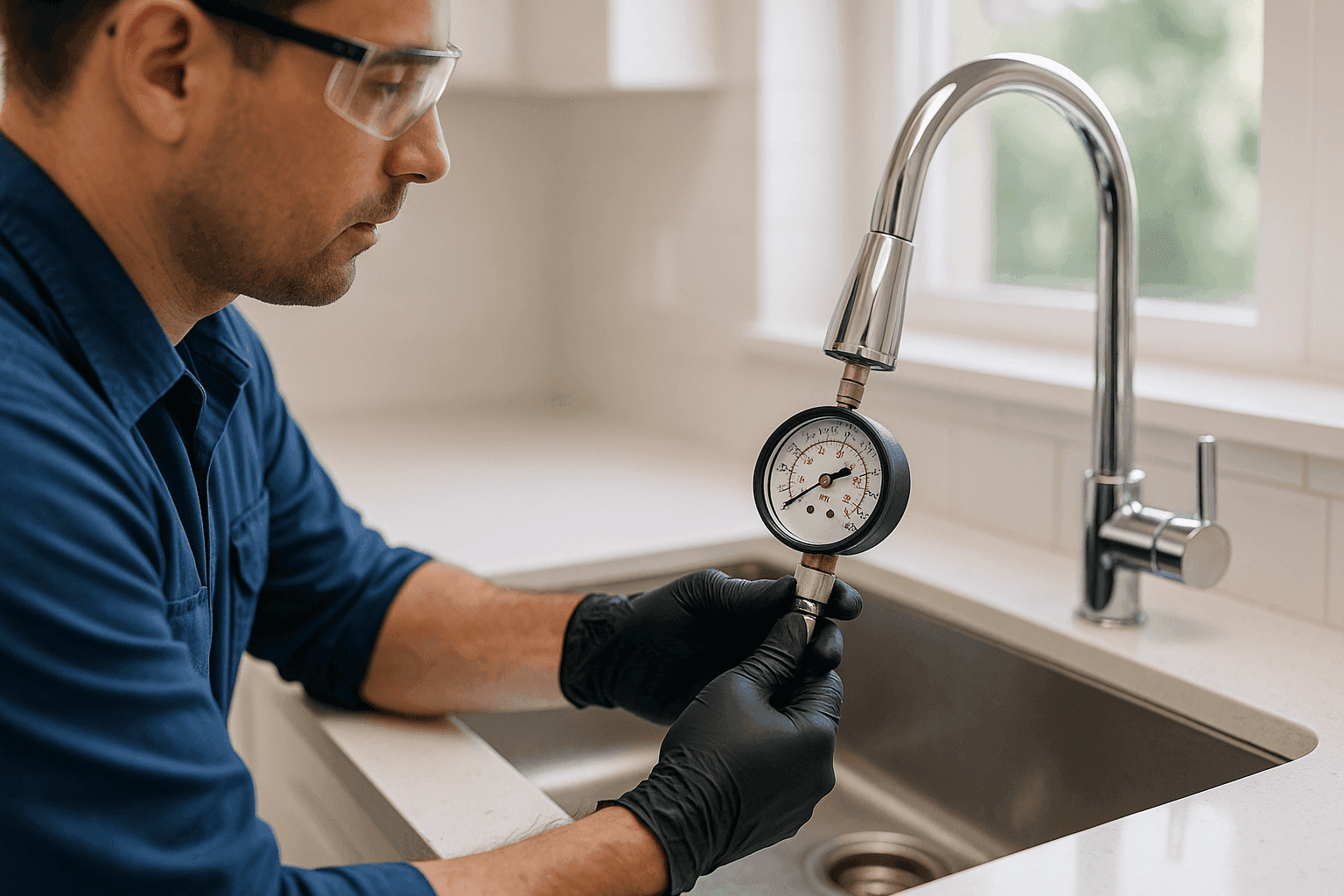
Is the shower suddenly a slow trickle? Does the kitchen faucet sputter out, leaving you rinsing dishes for ages? You’re not alone—low water pressure can throw off your whole routine. At Hynes Plumbing, we know how frustrating it is when your pipes don’t perform. Fast help matters, but so does understanding what’s going on behind the scenes.
Let’s break down why water pressure drops, what you can check yourself, and when it’s time to bring in emergency plumbing pros with the right tools and know-how.
Common Causes of Low Water Pressure 🛠️
Water pressure acts like the heartbeat of your home’s plumbing. When it slows, something’s off. Here are the most frequent culprits:
- Hidden leaks: Water escaping behind walls or under floors never makes it to your taps.
- Pipe corrosion or buildup: Old or galvanized pipes can fill with rust or minerals over years, narrowing the flow.
- Partially closed shutoff valves: If a valve near your meter or under a sink isn’t fully open, pressure drops.
- Faulty pressure regulator: This device keeps pressure steady. When it fails, expect inconsistent flows.
- Municipal supply issues: Sometimes, the problem starts with the city’s water system—especially after repairs or in freezing weather.
- Clogged fixtures: Aerators or shower heads packed with debris can choke the flow at a single spot.
Seasonal note: In winter, pipes exposed to cold can freeze, narrowing flow or even bursting—dropping pressure to zero.
Quick Homeowner Checks 🏡
Before calling for help, a few minutes of detective work can save time and stress. Here’s where to start:
- Test multiple faucets: Is the problem everywhere, or just one spot?
- Check shutoff valves: Look under sinks and at your main water supply—are the handles turned all the way open?
- Look for leaks: Puddles, damp drywall, or a spinning water meter when all taps are off are red flags.
- Remove and clean aerators: Mineral deposits build up fast, especially with hard water.
- Ask neighbors: If their pressure is low too, the issue may be with city supply, not your plumbing.
If everything looks normal and the problem’s still there, it’s time to dig deeper.
How to Test Pressure at Different Fixtures 🚿
Testing water pressure is like finding a traffic jam in your pipes. Here’s how:
Kitchen and Bathroom Faucets
- Turn on cold and hot water separately. Is one weaker? This can point to a water heater or mixing valve issue.
- Check for debris: Unscrew the aerator at the tip of the faucet and rinse it out.
Showers
- Remove the shower head and run the water. If pressure improves, the head is clogged.
Outdoor Spigots
- Attach a simple pressure gauge (available at most hardware stores) to an outside tap. Normal residential pressure is 40–60 psi (per the Uniform Plumbing Code). If yours is much lower, the problem may be with the main line or pressure regulator.
Whole-House Comparison
- If all fixtures are weak, suspect a main line, pressure regulator, or municipal supply issue.
- If one area is weak, focus on local pipes or valves.
Hidden Leaks and Pipe Blockages 💧
Some problems lurk out of sight. Hidden leaks can sap water pressure and lead to big repair bills if left unchecked.
Symptoms of a hidden leak or blockage:
- Sudden drop in pressure with no visible reason
- Sound of running water when taps are off
- Water stains, mold, or musty smells
- Higher than normal water bills
Possible causes:
- Aging pipes corroded from the inside
- Buildup from minerals, especially if you have hard water
- Blockages from debris or even small objects accidentally flushed
Tip: The EPA recommends prompt leak detection to save water and prevent property damage.
When to Call a Plumber 📞
DIY checks go a long way, but some jobs need a pro’s tools, parts, and experience. Here’s when to reach out:
- No water at all, or a sudden sharp drop in pressure
- Repeated clogs, slow drains, or gurgling noises
- Signs of leaks in walls, floors, or ceilings
- Water heater issues, especially if only hot water pressure is low (possible need for Water Heater Repair near you)
- Unusual smells or discoloration in water
- Pressure that drops only in cold or freezing weather—possible frozen or burst pipes
Hynes Plumbing’s team is trained in emergency plumbing, leak detection, pipe repair, and more. We work by the book, following all local codes and National Plumbing Code safety standards.
Table of Symptoms and Potential Causes
Symptoms:
- Weak flow at all taps
- Only one fixture affected
- Pressure drops when using multiple fixtures
- Sudden decrease after weather changes
- Visible water damage
Potential Culprits:
- Main line leak
- Fixture-specific clog or valve issue
- Old or corroded pipes
- Frozen pipes in winter
- Pressure regulator failure
Seasonal Considerations ❄️
Winter brings its own plumbing headaches. Cold snaps can cause pipes in unheated spaces to freeze or even burst. When this happens, pressure drops fast—sometimes to nothing at all.
How to protect your plumbing in winter:
- Insulate exposed pipes in attics, basements, and crawl spaces.
- Let faucets drip lightly in severe cold to keep water moving.
- Keep your home heated, even when away.
City water systems can also struggle during freezing weather or drought, causing area-wide low pressure.
Practical Tips for Prevention
- Schedule annual preventative maintenance. Catch small leaks before they become big ones.
- Install whole-house water filters if you have hard water—less mineral buildup, steadier pressure.
- Replace old supply lines and fixtures before they fail.
- Test your pressure regulator every couple of years.
Signs It’s Time for Professional Help
Still stumped after these checks? If you notice:
- No water flow from any tap
- Water gushing or pooling where it shouldn’t be
- Repeated bursts of low pressure, especially after repairs or storms
- Unexplained spikes in your water bill
These are signals to contact Hynes Plumbing for emergency plumbing support.
Frequently Asked Questions
Why did my water pressure suddenly drop everywhere?
This usually means a main line issue, either from a leak, a pressure regulator problem, or a city supply disruption.
Can a water heater cause low pressure?
Yes. Sediment in the tank or a faulty mixing valve can restrict hot water flow. This is a common call for Water Heater Repair near you.
Will chemical drain cleaners fix blockages?
Most won’t help with low water pressure and may harm pipes. It’s safer to remove aerators, plunge, or call a plumber.
How can I tell if my pipes are leaking?
Watch your water meter. If it spins with all taps off, you likely have a hidden leak.
Local and Seasonal Notes
In some areas, water pressure changes with the seasons. Spring thaws can reveal leaks that froze over winter. Summer droughts may reduce city supply pressure. Always check with your local water utility if you notice a neighborhood-wide drop.
If low water pressure has you at your wit’s end, don’t wait for the problem to grow. Call Hynes Plumbing now — or reach us anytime at 888-426-1013 .