Water Heater Installation: What Homeowners Need to Know
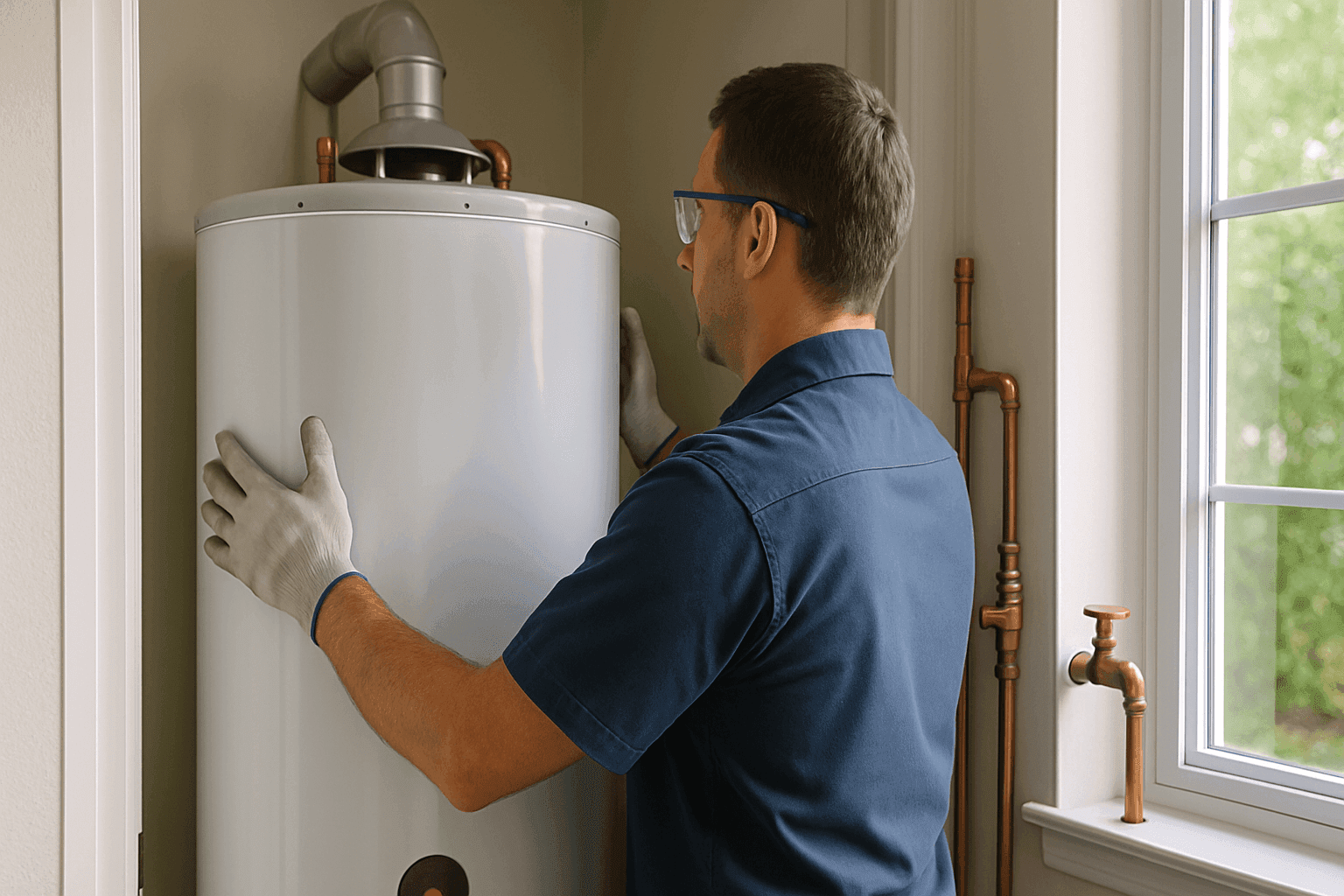
Every homeowner wants hot water at the turn of a tap. But when your water heater is on the fritz, things can go cold—fast. At Hynes Plumbing, we know what it feels like when the shower suddenly turns icy or when you hear odd noises from your utility closet at 2 a.m. That’s why our emergency plumbing team is ready to help, day or night.
Getting a new water heater isn’t something you do every day. There’s more to it than picking a shiny tank and plugging it in. From choosing the right model to making sure everything’s up to code, the process can feel overwhelming. But with the right info and a trusted plumbing professional, it’s a smooth journey—like trading in an old pair of sneakers for shoes that actually fit.
Choosing the Right Water Heater 🔥
The right water heater is more than a box that heats water. It’s the engine of your home’s comfort. The wrong one can mean cold showers, high bills, or even safety risks.
Key Questions to Ask Yourself
- How many people live in your home? The bigger the household, the bigger the demand.
- What’s your hot water usage? Showers, laundry, dishes—think of your daily routine.
- Do you want tank or tankless? This can affect cost, space, and efficiency.
- Energy source? Gas, electric, or even hybrid models are available.
- Space available? Some heaters need more room, especially tanks.
Product Comparisons—In Plain English
- Tank Water Heaters: Like a thermos, they keep hot water ready. Lower upfront cost, but they run out after heavy use.
- Tankless Water Heaters: Like a coffee maker—hot water on demand, never runs out, but can be pricier at first.
- Hybrid/Heat Pump: Uses heat from the air—efficient, but needs specific space and climate conditions.
A pro can help you size your water heater to your family’s needs. According to the U.S. Department of Energy, right-sizing saves money and prevents headaches later.
Installation Preparation Steps 🧰
You wouldn’t build a treehouse without checking the branches. The same goes for water heater installation. Here’s a visual timeline to help you prep:
1. Evaluate the Space
- Clear the area. Make sure there’s enough room for the new unit and safe access for the plumber.
- Check ventilation if it’s gas-powered.
2. Shut Off Utilities
- Water supply off.
- Power or gas off at the source.
3. Remove Old Unit
- Drain the old water heater.
- Disconnect pipes and wiring safely.
4. Inspect Connections
- Look for corroded pipes or faulty valves. Replace if needed.
5. Prep New Unit Location
- Ensure the floor is level.
- Check for proper drainage (especially in basements).
Tip: Clean up any old leaks or rust stains before the new unit comes in. It’ll make future inspections easier.
Tank vs. Tankless Installation Differences 🚿
This isn’t just apples and oranges—it’s more like apples and apple cider. Both are delicious, but they work differently.
Tank Water Heater Installation
- Usually replaces an old tank in the same spot.
- Needs space for the full tank volume.
- May require updated venting for gas models.
- Connects to existing plumbing and power/gas lines.
Tankless Water Heater Installation
- Smaller footprint—hangs on the wall.
- Needs upgraded gas lines or electrical circuits (high demand means more power).
- Venting may be different—some require special pipes.
- May involve re-routing of pipes for optimal performance.
Install times can vary; tank heaters might take a few hours, while tankless installations can stretch to a full day, especially if upgrades are needed.
Permits and Safety Codes 🛠️
Water heater installation isn’t just plug-and-play. It’s bound by building codes and safety rules to keep your family safe.
What Codes Matter?
- Plumbing Codes: (International Plumbing Code, Uniform Plumbing Code) set standards for pipe size, venting, and installation.
- Electrical Codes: (National Electrical Code) for electric heaters.
- Gas Codes: (International Fuel Gas Code) for gas lines and venting.
- Local Regulations: Some areas require earthquake straps, expansion tanks, or specific venting.
Do I Need a Permit?
In most places, yes. Permits are required for water heater installation. This ensures safety and code compliance. Your plumber should pull the permit and schedule inspection.
Fun Fact: Not having a permit could void your homeowner’s insurance. Always check with your local building department.
What to Expect on Installation Day 🏡
Installation day can feel like moving day—organized chaos at first, but order soon follows.
The Hynes Plumbing Installation Timeline
1. Arrival and Inspection
- Our team checks the work area, reviews your new unit, and confirms utility shutoff.
2. Removal of Old Unit
- Drained, disconnected, and safely removed.
3. Prep and Placement
- Floor protection and cleaning.
- Setting the new unit in place or hanging tankless on the wall.
4. Connections and Hookups
- Pipes, valves, and power/gas lines connected.
- Expansion tank or sediment trap if required.
5. Leak and Safety Checks
- System pressurized and checked for leaks.
- Gas lines tested for safe operation.
- Electrical connections double-checked.
6. Start-Up and Test
- System filled and purged of air.
- Temperature set (usually 120°F for safety).
- Hot water run at taps to test.
7. Clean-Up and Walkthrough
- Old unit hauled away.
- Area cleaned.
- Homeowner shown key features, maintenance tips, and warranty info.
Tip: Keep your warranty paperwork somewhere safe. Many manufacturers require proof of professional installation for future claims.
Visual Timeline: Water Heater Installation at a Glance
Morning (Hour 1–2):
- Team arrives, old heater drained and removed.
Midday (Hour 3–4):
- New unit in place, all connections made.
Afternoon (Hour 5+):
- System tested, area cleaned, walkthrough completed.
Code and Regional Notes
- Seismic Zones: In earthquake-prone regions, water heaters must be strapped to the wall for safety.
- Cold Climates: Insulated pipes prevent heat loss and freezing.
- Hard Water Areas: Consider a water filtration system or regular descaling.
Always ask your plumber about local requirements—they vary more than you’d think.
Warranty and Satisfaction Information
Most new water heaters come with a manufacturer’s warranty—ranging from 6 to 12 years, depending on the model. Keep your paperwork handy, and make sure you understand what’s covered (tank leaks, parts, etc.).
At Hynes Plumbing, we stand behind our work. Our team is licensed, insured, and trained to meet today’s safety standards. If you have questions after installation, we’re just a call away.
Quick Safety Checklist
- Check for gas smells—evacuate and call for emergency plumbing if detected.
- Make sure water and power/gas are off before starting work.
- Never cap off or block pressure relief valves.
- Verify venting is unobstructed and correct for your model.
- Confirm temperature settings: 120°F is hot enough for comfort, but not scalding.
Stay safe. When in doubt, leave it to a professional.
DIY vs. Call a Pro
Water heater installation isn’t like swapping a lightbulb. It involves gas lines, high-voltage wiring, and plumbing connections that can leak or burst if not handled right.
DIY Risks
- Gas leaks or carbon monoxide risk.
- Electrical shock.
- Water damage from improper connections.
- Voided warranties from self-installation.
When to Call a Pro
- If you’re not 100% confident handling plumbing, gas, or electrical work.
- To ensure permits and inspections are properly handled.
- When you want peace of mind that your family is safe—and your hot water reliable.
What Pros Do On Arrival
A professional plumber does more than swap out tanks. Here’s how Hynes Plumbing approaches every installation:
- Reviews your home’s water and energy needs.
- Checks existing plumbing for corrosion or leaks.
- Assesses venting and drainage.
- Handles permits, code compliance, and paperwork.
- Runs safety tests before and after installation.
- Explains new system features and maintenance.
It’s the difference between painting over a crack and actually fixing the wall.
Prevention & Maintenance
A well-installed water heater is only the start. Regular care keeps it running longer and safer.
Maintenance Tips:
- Drain and flush the tank yearly to remove sediment.
- Check pressure relief valve every 6–12 months.
- Inspect for leaks or rust spots.
- Watch for changes in water temperature or pressure.
- Schedule professional checkups—especially for older units.
The U.S. Department of Energy offers detailed maintenance guidelines. Staying proactive can prevent most emergencies.
Costs & Time Factors
Water heater installation costs can vary based on:
- Size and type of heater (tank vs. tankless).
- Complexity of installation (existing hookups, upgrades needed).
- Permit and inspection fees.
- Any code-required add-ons (expansion tanks, seismic straps).
Time: Tank installations usually take 2–4 hours. Tankless or complex setups may take all day.
It’s an investment in comfort and safety—but you’ll notice the difference every time you turn on the tap.
When It’s an Emergency
Sometimes, you can’t wait. Burst tanks, leaks, or no hot water are emergencies. Hynes Plumbing offers emergency plumbing services for those moments when waiting isn’t an option.
Signs you need urgent help:
- Water pooling around your heater.
- No hot water at all.
- Pilot light won’t stay lit (gas models).
- Strange noises—banging, whistling, or popping.
Don’t risk damage to your home. Call a professional right away for water heater repair near you.
FAQ
How long does installation take?
Most tank water heaters are installed in 2–4 hours. Tankless models can take longer if upgrades are needed.
Can I install my own water heater?
It’s possible, but not recommended due to safety, code, and warranty reasons. Professional installation is safer and often required for warranty coverage.
What’s the best temperature setting?
120°F is standard. It’s hot enough to prevent bacteria and comfortable for most uses.
How do I know if I need a new water heater?
Age (10+ years), rusty water, leaks, or inconsistent hot water are signs it’s time for replacement.
Local/Seasonal Considerations
- Winter: Cold incoming water means your heater works harder—insulate pipes and consider a larger tank.
- Summer: Sediment builds faster with high water usage—flush your tank before peak season.
- Local water quality: Hard water can shorten heater life; ask about filtration options.
Ready to upgrade your home’s comfort and safety?
Call Hynes Plumbing now — or reach us anytime at 888-426-1013 .