Toilet Repair Guide: Fixing Common Problems
Is your toilet acting up at the worst possible time? You’re not alone—broken flushes, leaks, or clogs don’t keep a schedule, and they can turn a peaceful home upside down in minutes. At Hynes Plumbing, we know the stress a bathroom mishap can cause, especially when you need emergency plumbing help pronto.
This guide walks you through the most common toilet headaches—why they happen, what you can do, and when to call for water heater repair near you or other services. Our plumbers have seen it all, from minor leaks to full-blown overflows. Let’s get your bathroom back to normal.
Diagnosing Toilet Problems 🛠️
A toilet is like a car: you don’t really notice it—until something goes wrong. Here’s how to spot the signs before things get messy.
Signs Something’s Wrong
- Toilet runs constantly (the tank never fills or keeps refilling)
- Weak or incomplete flushes
- Water pooling at the base
- Unpleasant smells coming from the bowl or tank
- Gurgling noises from nearby drains
- Toilet clogs easily or overflows
Common Causes
- Worn-out flapper or fill valve
- Cracked tank or bowl
- Clogged trapway or main drain
- Loose mounting bolts or seal (the wax ring)
- High or low water pressure issues
Visual Guide: What to Check First
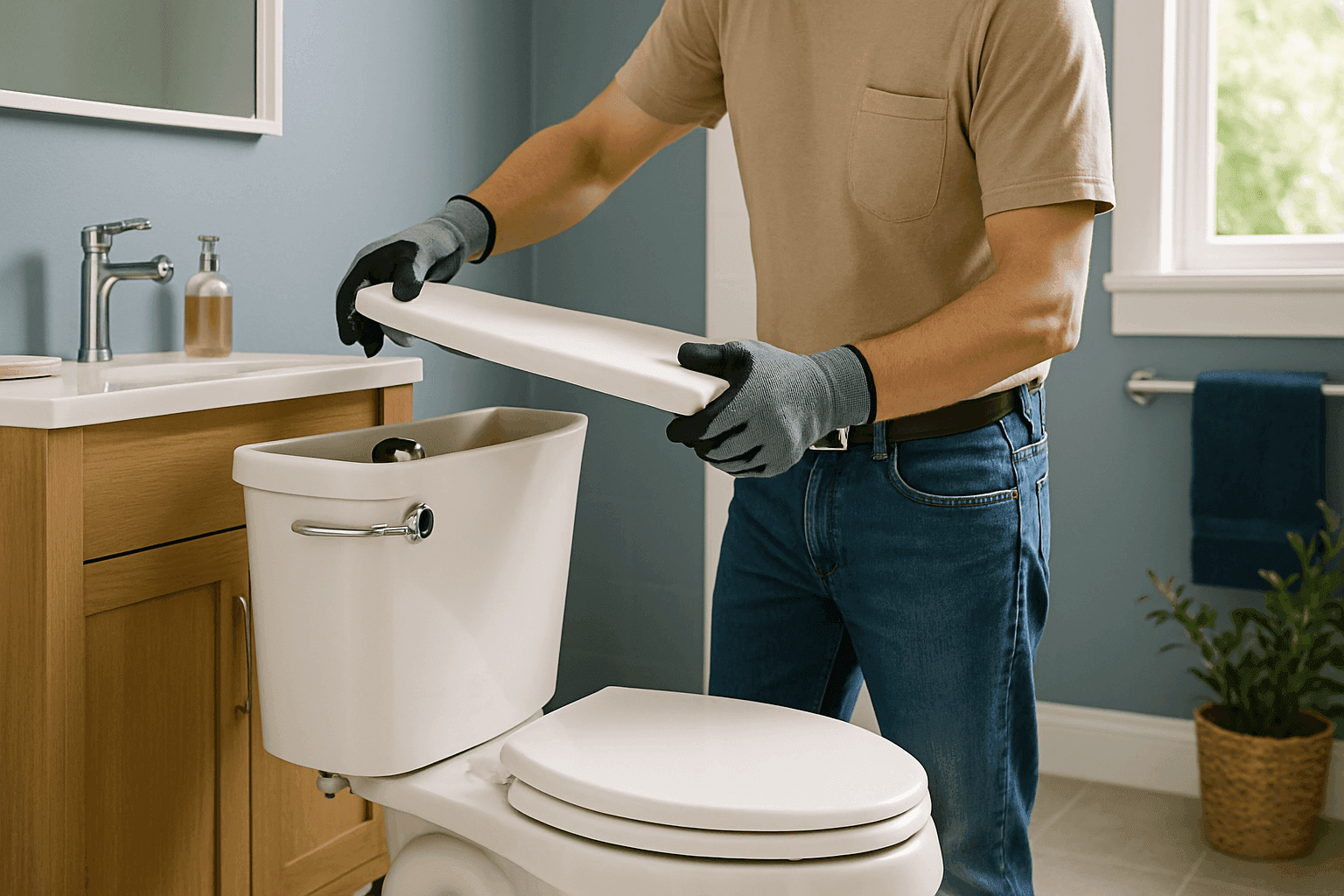
- Lift the tank lid: Is the chain tangled? Is the flapper sealing properly?
- Look at the base: Any water or discoloration on the floor?
- Flush and listen: Odd noises point to vent or pressure problems.
- Check the handle and lever: Do they move freely, or feel stuck?
How to Fix Common Issues
Don’t panic! Many toilet repairs are straightforward with a steady hand and a bit of patience. Here are step-by-step fixes for the most frequent culprits.
1. Toilet Won’t Stop Running
- Turn off the water at the shutoff valve (behind or below the toilet).
- Remove the tank lid.
- Check if the flapper is sealing the flush valve. If not, adjust or replace it.
- Inspect the float. If it’s stuck, gently free it.
- Test by flushing, then watch to see if the tank stops filling.
2. Weak Flush
- Check for mineral buildup under the rim—scrub with a stiff brush.
- Ensure the water level in the tank is about an inch below the overflow tube.
- Adjust the float arm if needed.
- If these steps don’t help, you may have a partial clog—try a plunger.
3. Toilet Clogs
- Use a plunger: create a tight seal and push with quick, firm motions.
- If that fails, try a toilet auger (a flexible snake for toilets).
- Avoid chemical drain cleaners—they can damage pipes and are rarely effective for toilet clogs.
4. Leaks at the Base
- Tighten the bolts at the toilet base gently (don’t overtighten—porcelain cracks).
- If water keeps seeping out, the wax ring may need replacing. This involves removing the toilet, so consider if you’re comfortable doing this, or call a pro.
5. Phantom Flushes (Toilet randomly fills)
- Usually caused by a slow leak at the flapper.
- Replace the flapper with a quality part made to fit your model.
Tools for Toilet Repair 🧰
You don’t need a garage full of gadgets. Most jobs require simple household tools:
- Plunger (flange type for toilets)
- Adjustable wrench
- Screwdriver (Phillips and flathead)
- Toilet auger
- Rubber gloves
- Towels or rags
Optional but handy: a small bucket, flashlight, and a replacement flapper or fill valve kit.
When to Replace Toilet Parts
Not sure if you should repair or replace? Here’s a quick breakdown:
- Flappers and fill valves: Replace every 4–5 years, or sooner if worn or warped.
- Wax ring: Replace any time the toilet is moved, or if leaks develop at the base.
- Tank levers and handles: Replace if loose, corroded, or broken.
- Entire toilet: If you see cracks in the bowl/tank, ongoing leaks, or repeated clogs, it may be time for a new unit—especially if yours is over 20 years old.
At Hynes Plumbing, we use high-quality replacement parts that meet or exceed national plumbing codes (see Uniform Plumbing Code and local building requirements). That means fewer callbacks and a longer lifespan for your repair.
When to Call a Plumber
Some jobs are best left to pros. If you run into these situations, don’t risk it—reach out for emergency plumbing help:
- Water is flooding the bathroom
- Sewage backup or strong smells
- Toilet rocks or moves when you sit
- Broken porcelain or tank leaks
- Repeated clogs or slow drains in multiple fixtures
Our plumbers bring specialized tools and genuine parts—no shortcuts, no “good enough” fixes. Repairs are covered by manufacturer warranties and our workmanship standards.
Real Homeowner Stories
“Our guest bathroom toilet overflowed on a Sunday night. Hynes Plumbing was there in under an hour—no mess left behind. They even explained what caused the problem. I won’t call anyone else!”
— Sarah M., Homeowner
“We had a persistent leak at the toilet base, and DIY fixes kept failing. The team at Hynes Plumbing replaced the wax ring and checked for hidden issues. Solid work, and they cleaned up after themselves.”
— Kevin D., Homeowner
Quick Safety Checklist ⚠️
Before you start any repair:
- Turn off the water supply at the shutoff valve.
- Flush to empty the tank and bowl.
- Wear rubber gloves to prevent contact with bacteria.
- Keep children and pets away while working.
- Don’t use electrical tools near standing water.
If you’re unsure about safety, call a professional. Plumbing mistakes can lead to water damage or even electrical hazards.
DIY vs. Call a Pro
DIY is fine for:
- Minor clogs
- Simple part replacements (flapper, handle, fill valve)
- Basic adjustments or tightening bolts
Call a pro for:
- Leaks you can’t stop
- Toilet removal/replacement
- Sewer line or vent issues
- Gas line checks (for bathrooms near gas appliances)
- Any signs of mold or water staining
A professional plumber can spot hidden issues—like damaged pipes or venting problems—that might be missed by a quick fix.
What Pros Do On Arrival
When you call Hynes Plumbing for emergency plumbing or water heater repair near you, here’s what to expect:
- Friendly arrival and quick assessment
- Shutoff of water supply to prevent further damage
- Visual inspection of toilet, pipes, and nearby fixtures
- Use of leak detection tools if needed
- Honest explanation of the problem and your options
- Repairs using code-compliant, warrantied parts
- Full cleanup and post-repair testing
We’ll never leave you with a bigger mess than we found—your home matters to us.
Prevention & Maintenance
Like a car, a toilet lasts longer with a little regular care. Here’s how to keep things working smoothly:
- Clean under the rim and inside tank monthly to prevent buildup.
- Check for leaks at the base and behind the tank periodically.
- Don’t flush wipes, feminine products, or large paper towels.
- Inspect the shutoff valve for corrosion or leaks.
- Listen for odd sounds after flushing—catch problems early.
A yearly checkup from a pro can catch small issues before they become emergencies. Preventative maintenance is key for peace of mind.
Costs & Time Factors
- Simple repairs (flapper, handle): Usually 10–30 minutes.
- Clogs: 5–20 minutes with a plunger, longer with an auger.
- Wax ring or major repairs: 1–2 hours, depending on access and condition.
- Replacement: 1–3 hours for standard toilets.
Parts are generally affordable, but labor costs vary by region and job complexity. Investing in quality parts and professional workmanship saves money and hassle down the road.
When It’s an Emergency 🚨
If your toilet is overflowing, leaking uncontrollably, or there’s sewage backing up, don’t wait. Turn off the water, clear the area, and call for emergency plumbing right away. Water can damage flooring, walls, and even electrical systems fast.
If you smell gas (near gas water heaters or lines), leave the area and call your gas utility and a licensed plumber. Gas safety checks are a critical part of our service.
FAQ: Toilet Repair Questions
How can I stop my toilet from running until help arrives?
Turn off the water shutoff valve behind the toilet. This stops the flow and prevents flooding.
Is it safe to use chemical drain cleaners?
No. They can damage pipes and harm septic systems. Mechanical methods (plunger or auger) are safer and more effective.
Can a slow leak cause real damage?
Absolutely. Even a tiny leak can rot subfloors, invite mold, and waste hundreds of gallons a month.
How often should toilets be replaced?
Most last 15–20 years. Replace earlier if you see cracks, repeated leaks, or rising water bills.
Local & Seasonal Considerations
Winter can freeze pipes—insulate exposed plumbing, especially in older homes. In areas with hard water, mineral buildup is common; regular cleaning and water filtration systems can help. If you live in a flood-prone area, a sump pump in the basement offers extra protection.
Always check local plumbing codes before attempting major repairs. The Uniform Plumbing Code and International Residential Code set clear requirements for safe, long-lasting plumbing installations.
Bathroom problems don’t wait for business hours. For fast, reliable help with toilet repairs—or any emergency plumbing needs—reach out to Hynes Plumbing. We’re here to keep your home running smoothly, 24/7.
Call Hynes Plumbing now — or reach us anytime at 888-426-1013 .