Sewer Line Problems: Warning Signs and When to Call a Pro
When your pipes are working, they’re invisible. But when something goes wrong with your sewer line, the results are anything but hidden. Strange smells, slow drains, or water bubbling up where it shouldn’t—these are more than just little annoyances. They’re your home’s way of waving a red flag.
At Hynes Plumbing, our emergency plumbing teams have seen it all. From clogged lines on quiet Sunday mornings to burst pipes during a holiday dinner, we know how quickly small problems can turn into big, expensive messes. Here’s what you need to know to protect your home, your family, and your sanity.
Common Sewer Line Warning Signs 🚩
Sewer line problems rarely fix themselves. Spotting the early signs can mean the difference between a quick repair and a full-scale emergency. Here’s what to watch for:
- Persistent slow drains: One clogged sink is normal. If it’s every drain in the house, something deeper is at play.
- Gurgling noises: When you flush or run water, does your toilet or tub make odd sounds? That’s trapped air, a sign of a blockage.
- Bad odors: If you catch a whiff of rotten eggs or sewage in your yard or basement, your sewer line may be leaking.
- Water backing up: Water in the tub when you flush the toilet? This is a classic symptom.
- Lush, soggy patches in your yard: Sometimes, the grass is greener because it’s being fertilized by a leaking sewer.
- Mold growth: Moisture from a leaking sewer can creep into walls, causing mold and mildew.
Sewer Symptom Checklist
- [ ] Multiple drains slow at once
- [ ] Unexplained wet spots in yard or basement
- [ ] Sewer odor indoors or outdoors
- [ ] Frequent toilet clogs or overflows
- [ ] Unusual noises from drains
- [ ] Sudden spikes in water bill
If you’re checking off more than one item, don’t wait. Sewer line issues can escalate rapidly.
What Causes Sewer Line Issues?
Your sewer line is like a highway for waste and water, buried out of sight. But even highways get potholes. Here’s what can cause trouble:
- Tree roots: Roots can invade tiny cracks, turning them into big breaks.
- Aging pipes: Older materials like clay or cast iron crumble over time.
- Ground shifting: Even small earthquakes or heavy rains can shift soil, bending or cracking pipes.
- Grease & debris: Fat, oils, wipes, and other non-flushables create stubborn blockages.
- Corrosion: Metal pipes rust from the inside, narrowing the passageway.
According to the International Plumbing Code, regular inspection and maintenance are recommended for homes over 30 years old or with mature trees nearby.
DIY Checks vs. Professional Inspection 🛠️
Think you can handle it yourself? Sometimes, yes. But be careful—poking the wrong pipe can make things worse.
What You Can Do
- Use a plunger for simple clogs.
- Check clean-outs for standing water.
- Look for visible leaks or wet patches.
When to Call a Pro
- Multiple drains are slow or backing up.
- You smell sewage indoors or outside.
- Your DIY fix lasted less than a week.
- You’re worried about health or safety.
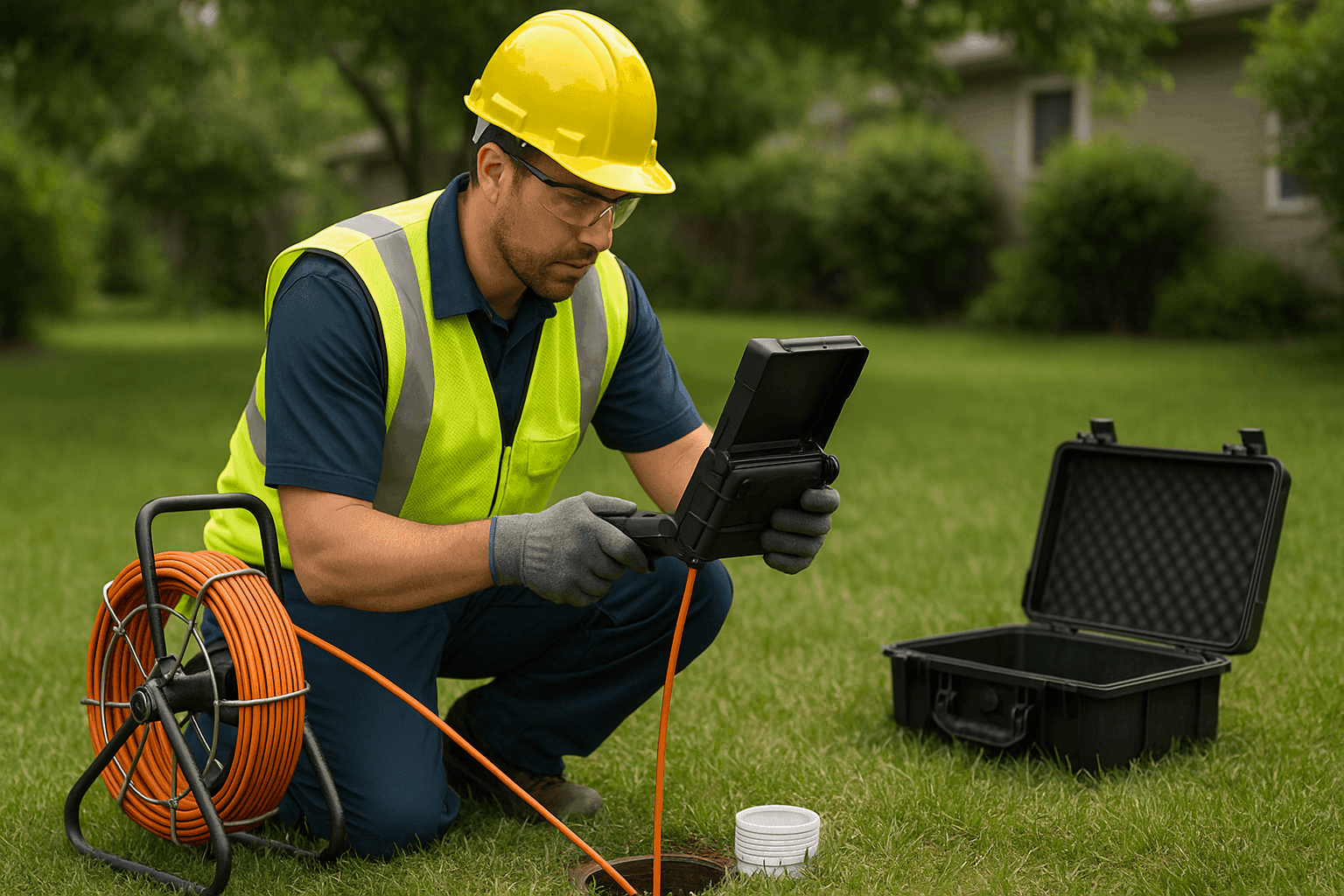
Hynes Plumbing’s licensed technicians use specialized cameras to see inside pipes without digging up your yard. Our crews are trained to follow local and national plumbing codes, keeping your home safe and compliant.
Safety Warning: Never use chemical drain cleaners in a suspected sewer line break. They can make things worse—and are hazardous to people and pets.
What to Expect During a Sewer Inspection
When you call in emergency plumbing help, here’s how the process usually unfolds:
Arrival & Assessment
- Our technician arrives with protective gear and specialized tools.
- We’ll ask about symptoms and check affected areas.
Camera Inspection
- A waterproof camera is fed into your main sewer line via the clean-out.
- Live video reveals blockages, cracks, or root intrusions.
Diagnosis
- We’ll explain what we see—using plain language, not plumbing jargon.
- You get a straightforward rundown of your options.
Code Compliance
All work follows local codes and standards, like those set by the Uniform Plumbing Code and your city’s permitting requirements. We’ll let you know if a permit is needed before starting repairs.
Repair vs. Replacement 🔧
Not every problem means a new pipe. Here’s how we decide:
Pipe Repair
- Best for minor cracks, small root invasions, or isolated blockages.
- Methods include snaking, hydro-jetting, or spot repairs.
Full Replacement
- Needed for collapsed, severely corroded, or “bellied” pipes (where the pipe sags).
- May involve trenchless technology (less digging) or traditional excavation depending on your property.
Timelines
- Simple repairs: Often finished in a few hours.
- Major replacements: Can take 1–3 days, depending on soil, weather, and local permit approval.
We’ll walk you through every step, so there are no surprises along the way.
Timelines for Action
- Within 24 hours: Call for emergency plumbing if you have sewage backups, visible leaks, or standing water.
- Within a week: Schedule inspection if you notice slow drains, gurgling, or unexplained odors.
- Seasonal: Have preventative checks done every year if your home is older or you live in a tree-heavy neighborhood.
Safety Warnings
Sewer line work exposes you to bacteria, mold, and even dangerous gases. Always:
- Keep children and pets away from affected areas.
- Don’t use sinks, toilets, or showers if you suspect a sewer blockage.
- Avoid DIY digging—buried utility lines are a serious hazard.
FAQ
How do I know if my sewer line is my responsibility?
Homeowners are usually responsible for the sewer line from the house to the street connection. Local ordinances vary—your city’s Public Works Department can clarify.
Can tree roots really break pipes?
Absolutely. Roots follow moisture and can slip into even tiny cracks, growing until they crack the pipe wide open.
Do sewer line inspections require digging?
Not usually. Most inspections use cameras and clean-outs, so your landscaping stays intact.
Are there codes I should know about?
Yes. Work must comply with the International Residential Code (IRC) and your city’s plumbing code. Hynes Plumbing always works to code and pulls required permits.
Local and Seasonal Considerations 🌦️
- Freezing weather: Pipes are more likely to crack when temperatures drop.
- Heavy rains: Saturated ground increases the risk of pipe displacement.
- Older neighborhoods: Homes built before 1980 are more likely to have outdated materials.
If you’ve just moved in or finished a renovation, consider a sewer line inspection as part of your home’s health check.
When sewer line problems strike, fast action makes all the difference. Don’t wait for a small warning sign to become a big, messy emergency.
Call Hynes Plumbing now — or reach us anytime at 888-426-1013 .