What to Expect During a Sewer Line Inspection
Ever felt a slow drain turn into a full-blown panic? It’s not just you. Sewer line mysteries can quickly become plumbing emergencies. At Hynes Plumbing, we know how stressful it is when water won’t go where it should—or worse, starts coming back up.
That’s why sewer line inspections matter. They shine a light on hidden problems before they turn your basement into a swimming pool. Our licensed team handles hundreds of inspections a year, so you can trust that we’ve seen it all—and know exactly what to look for.
Why Sewer Inspections Matter 🕵️
Think of your sewer line as your home’s silent workhorse. Day after day, it carries wastewater away, out of sight and (hopefully) out of mind. But when something goes wrong underground, it can put your whole home out of commission.
Common Reasons for a Sewer Line Inspection
- Frequent clogs that don’t clear with a plunger.
- Unexplained wet spots in your yard.
- Sewage smells inside or outside the house.
- Water backing up in bathtubs, toilets, or sinks.
- Buying or selling a home—inspections are often required.
Ignoring these signs can lead to burst pipes, flooding, and costly repairs. That’s why regular checks are recommended by both the Environmental Protection Agency and the International Association of Certified Home Inspectors.
How Inspectors Access Your Sewer Line
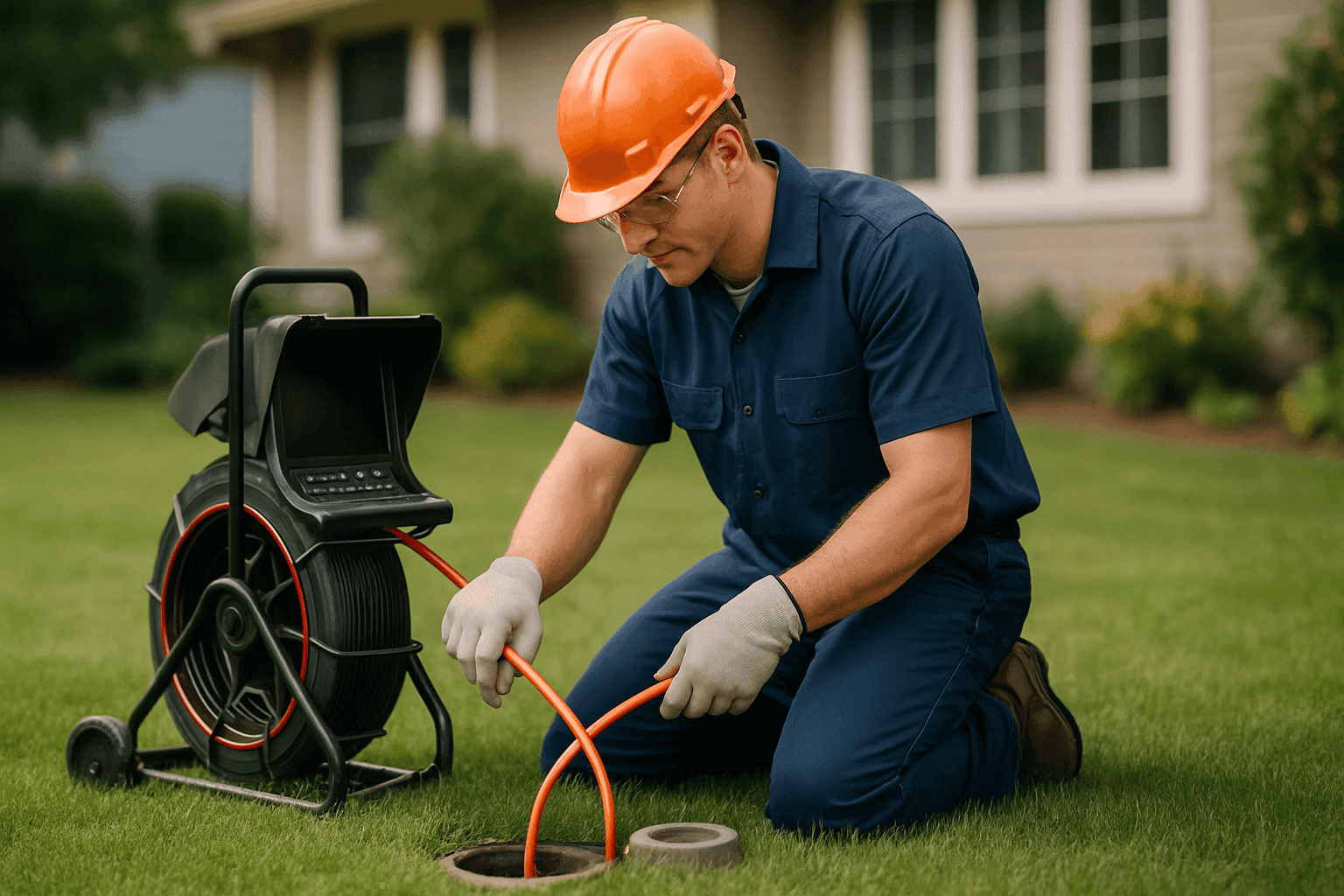
Inspectors don’t need to dig up your whole yard. Most homes have a sewer cleanout—a capped pipe sticking up in the basement, garage, or front yard. That’s the plumber’s gateway to your sewer system.
Typical Access Points
- Main cleanout: Usually 3–4 inches in diameter, often found outside.
- Basement or crawl space: Some homes have cleanouts near the foundation.
- Toilet removal: In rare cases, the toilet must be temporarily lifted to access the pipe.
Worried about mess? Don’t be. Licensed plumbers like ours use drop cloths, shoe covers, and take care to leave your home as tidy as they found it.
What Equipment is Used
Think of a sewer line inspection as a guided tour—except the “tour guide” is a high-tech camera.
Key Tools Plumbers Use
- Sewer inspection camera: A waterproof, flexible camera on a long cable that snakes through your pipes, sending real-time video to a monitor.
- Locator wand: Helps pinpoint the camera’s location underground, so you’ll know exactly where a problem is.
- Flashlights and mirrors: For tricky corners and hidden spots.
- Protective gear: Gloves, coveralls, and sometimes respirators.

This technology lets your plumber spot roots, blockages, cracks, and corrosion without guesswork. It’s a bit like sending a submarine down to explore a sunken ship.
What Homeowners Can Expect
Wondering what actually happens during the inspection? Here’s how it unfolds, step by step.
Typical Timeline
- Arrival and Setup (10–20 min)
- Plumber introduces themselves, reviews the problem, and lays down protective mats.
- Accessing the Line (5–15 min)
- Finds and opens the cleanout or other access point.
- Camera Inspection (30–60 min)
- Feeds the camera through the sewer line, watching the live video on a screen.
- Stops to record any trouble spots.
- Reviewing Findings (15–30 min)
- Shows you the footage. Explains what’s healthy, what’s not, and what it means.
- Cleanup & Report (10–15 min)
- Cleans up the work area. Provides a summary report and recommended next steps.
Total time? Most inspections take 1–2 hours, depending on your home’s layout and the line’s length.
What You’ll See (Or Smell!)
- The camera display is surprisingly clear. You’ll see the pipe’s condition—roots, cracks, or years of buildup.
- No digging is needed unless a major repair is required later.
- Mild odors are normal. Strong sewage smells may signal a bigger issue.
Red Flags to Watch For
- Tree roots weaving into cracks.
- Standing water—a sign of a sag or blockage.
- Grease buildup caking the pipe walls.
- Broken or collapsed sections.
- Pipe corrosion or flaking cast iron.
If your plumber spots these, you’ll get clear photos or video clips for your records.
Next Steps After Inspection 📝
What happens when the camera comes back out? You get answers—and a plan.
Possible Outcomes
- No issues found: Peace of mind! Regular maintenance is still advised.
- Minor buildup or roots: Usually cleared with a mechanical snake or hydro-jet.
- Blockages or cracks: May require pipe repair, spot replacement, or in severe cases, full sewer line replacement.
- Evidence of leaks: Leak detection or pipe repair to prevent further damage.
Hynes Plumbing follows all local plumbing codes and safety standards. If repairs are needed, you’ll get straightforward options—never pushy sales talk.
FAQ: Common Questions About Sewer Line Inspections
What does a sewer line inspection cover?
- The camera checks the main sewer line from your house to the street connection. It looks for blockages, cracks, roots, and other damage.
Will my yard be dug up?
- Not for the inspection itself. Repairs sometimes require digging, but the inspection is trenchless.
Can I see the video?
- Absolutely. Your plumber will walk you through the footage and answer any questions.
How often should I get a sewer line inspection?
- Every 1–3 years, or before buying/selling a home, or if you notice warning signs.
Local and Seasonal Considerations 🌧️
Homes in areas with mature trees face higher risks of root intrusion. Heavy rains or seasonal freeze-thaw cycles can also stress older pipes, making routine inspections especially important before winter or the spring thaw.
If you live in an older home (pre-1970s), pipes may be made of clay or cast iron—materials more prone to cracking, root invasion, or corrosion. Newer PVC lines are tougher, but still need checks for blockages and proper installation.
Always ensure your plumber is licensed and follows local building codes, as required by the International Plumbing Code (IPC) and state regulations.
When to Call for Emergency Plumbing
A sewer backup or sudden flooding isn’t a “wait and see” moment. If you notice:
- Water or sewage backing up into your home
- Multiple drains clogged at once
- Foul odors from sinks, tubs, or toilets
—call for emergency plumbing right away. Fast action can save your home from major damage.
Final Thoughts
A sewer line inspection isn’t just about pipes—it’s about peace of mind for your whole household. From leak detection to full sewer line repair, Hynes Plumbing’s licensed professionals use the latest tools and follow every safety rule. We’re here to help, 24/7.
Call Hynes Plumbing now — or reach us anytime at 888-426-1013 .