Repiping Your Home: When, Why, and What to Expect
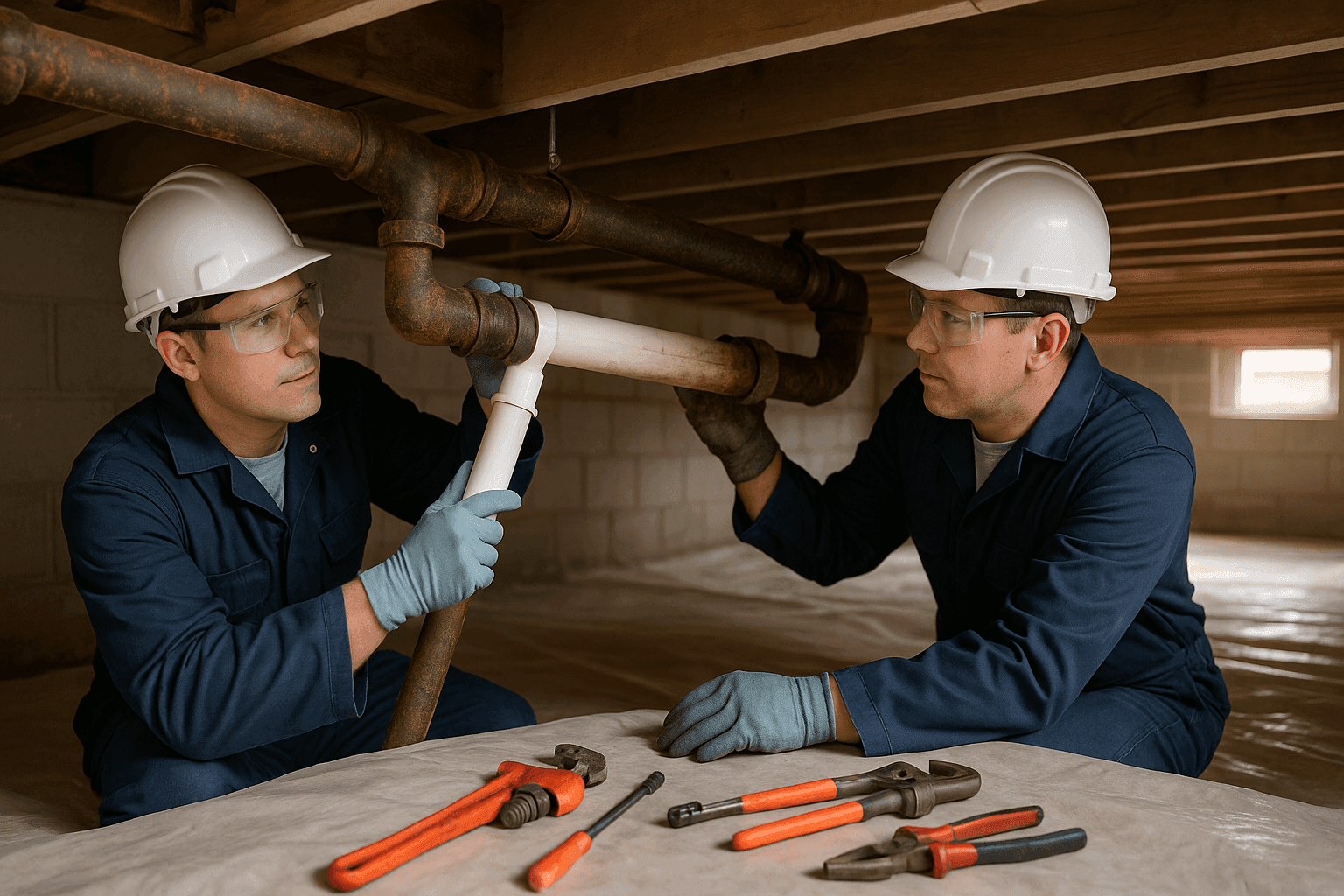
Plumbing pipes are like the arteries of your home. Over time, they can wear out, spring leaks, or even burst when you least expect it. If you’re noticing rusty water, low pressure, or unexplained water bills, you’re not alone. Many homeowners face these headaches.
At Hynes Plumbing, we’ve helped families through every kind of plumbing crisis—day or night. Repiping might sound huge, but knowing what to expect can make it less overwhelming. Let’s walk you through the signs, choices, and steps, so you can breathe easier the next time your pipes act up.
Signs Your Home Needs Repiping 🚨
How do you know your pipes are on their last legs? Here’s what to look for:
- Rusty or Discolored Water: Water from your taps looks brown, yellow, or has a metallic taste.
- Frequent Leaks: You’re patching leaks more often than you’re fixing squeaky doors.
- Low Water Pressure: Showers dribble instead of spray, or sinks fill painfully slow.
- Unexplained Wet Spots: Stains on ceilings, walls, or floors, or musty smells.
- Old Pipe Materials: Homes built before the 1970s may have galvanized steel or even lead pipes, which are prone to failure and health risks.
- Rising Water Bills: If your usage hasn’t changed but the bill keeps climbing, hidden leaks may be to blame.
If several of these sound familiar, your plumbing may be sending S.O.S. signals. Don’t ignore them. A burst pipe is an emergency plumbing nightmare.
Common Repiping Materials
Think of your home’s new pipes like picking the right shoes for a long journey—comfort, durability, and safety matter.
- Copper: The classic standard. Long-lasting, resists bacteria, but can be pricier.
- PEX (Cross-linked Polyethylene): Flexible, easy to install around corners, and less likely to burst if frozen.
- CPVC (Chlorinated Polyvinyl Chloride): Good for both hot and cold water, won’t corrode, but more brittle than PEX.
- HDPE (High-Density Polyethylene): Used for main water lines, very resistant to chemicals and corrosion.
Hynes Plumbing chooses materials based on your home’s needs, local codes, and longevity. The right choice depends on your budget, climate, and even water quality.
How the Repiping Process Works
Repiping isn’t just replacing pipes; it’s a carefully managed project. Here’s how it unfolds—think of it like a relay race, with each step handing off to the next, smoothly and efficiently.
Step-by-Step Visual Timeline
-
Assessment & Planning:
- Inspect pipes using cameras or visual checks.
- Map out pipe routes, consider building codes, and discuss options with you.
-
Preparation:
- Cover floors, protect furniture, and set up work zones.
- Shut off water and drain the system.
-
Pipe Removal:
- Carefully open walls, ceilings, or floors.
- Remove old pipes section by section.
-
New Pipe Installation:
- Install new pipes, fittings, and supports.
- Connect to fixtures, water heater, and main supply.
-
Testing & Inspection:
- Pressure test the system for leaks.
- Schedule city or county inspection, if required by local code.
-
Restoration:
- Patch drywall, paint, and clean up.
- Walk through the finished work with you.
Before/After Case Study
Before: The Johnson family noticed brown water and a musty smell in their 1950s ranch. Their home had galvanized steel pipes—corroded and leaking behind the walls.
After: Hynes Plumbing repiped with PEX, restored walls, and cleaned every trace of construction. The Johnsons now have clean water and peace of mind, without a single water stain or whiff of must.
Regional Code Notes
Local building codes can affect every phase—from approved materials to inspection schedules. For example, some areas prohibit certain plastics due to fire codes, while others require pressure testing or backflow prevention. Hynes Plumbing always follows the latest standards from the International Plumbing Code (IPC) and your city’s regulations.
Warranty Information
Most repiping jobs include a manufacturer’s warranty on materials (often 25–50 years for PEX or copper) and a workmanship warranty from your contractor. Always ask for these details in writing.
Costs and Timelines
Repiping isn’t a small job, but it doesn’t have to break the bank. Costs depend on:
- Home Size: More bathrooms or floors means more pipe.
- Pipe Material: Copper costs more than PEX or CPVC.
- Accessibility: Crawl spaces and open basements make for faster work than finished ceilings or tight walls.
- Local Permitting & Code Requirements: Fees and inspection schedules can add to the total.
Typical Timeline:
- Small homes: 2–4 days
- Larger or complex homes: 5–10 days
Typical Cost Range:
- Varies widely, but expect a few thousand dollars for most homes. Your Hynes Plumbing estimator will explain all costs before work begins.
Tip: Repiping often raises home value and can lower insurance premiums, since new pipes reduce the risk of water damage claims. Check with your insurer for details.
Choosing the Right Contractor 🛠️
Repiping is a team effort. Here’s what to look for:
- Licensed & Insured: Look for plumbers registered with your state or local licensing board.
- Experienced Project Management: Good communication, clear timelines, and daily updates.
- References & Reviews: Ask for customer feedback or before/after photos.
- Cleanup Procedures: A reputable contractor will leave your home spotless—not a dust bunny in sight.
- Warranty Details: Written coverage for both materials and labor.
At Hynes Plumbing, our crews use walk-off mats, cover furniture, and sweep up every scrap. We treat your home like it’s our own, from the first call to the final walkthrough.
Project Management and Cleanup
A smooth repiping job is like an orchestra—everyone plays their part. Here’s how Hynes Plumbing manages the process:
- Daily Schedules: We’ll update you on progress and access needs.
- Containment: Plastic barriers keep dust where it belongs.
- Cleanup: We remove debris, vacuum, and wipe down surfaces.
- Final Inspection: We walk you through the changes, answer questions, and provide care tips.
Frequently Asked Questions
How do I know if I need a full repipe or just a repair?
If you’re seeing leaks in multiple spots, rusty water, or your home has old galvanized or polybutylene pipes, a full repipe may be safer and more cost-effective than chasing repairs.
Will my water be shut off during the whole job?
No. Most homes are only without water for a few hours on specific days. We’ll coordinate with you to minimize disruption.
Do I need to move out during repiping?
Usually not. We work in sections and clean up daily so you can stay home comfortably.
How do I maintain my new pipes?
Regular plumbing inspections and preventative maintenance—like checking for leaks, testing water pressure, and flushing your water heater—will keep your system running strong. Refer to resources like the EPA’s water safety guidelines for extra tips.
Local and Seasonal Considerations 🌦️
In colder climates, freezing pipes are a major risk. Modern PEX piping resists bursting, but it’s still smart to insulate exposed lines—especially in basements or crawl spaces. If you live in an area with mineral-heavy (hard) water, consider a water filtration system to prolong pipe life and protect fixtures.
Some towns require special permits or backflow prevention devices to comply with local safety codes. Hynes Plumbing handles all permits and inspections, so you stay worry-free.
Repiping might seem overwhelming, but with the right information and a skilled team, it’s just another step toward a safer, more comfortable home. Whether you’re searching for "Water Heater Repair near you" or facing an emergency plumbing situation, Hynes Plumbing is here to help.
Call Hynes Plumbing now — or reach us anytime at 888-426-1013 .