The Complete Homeowner’s Guide to Preventative Plumbing Maintenance
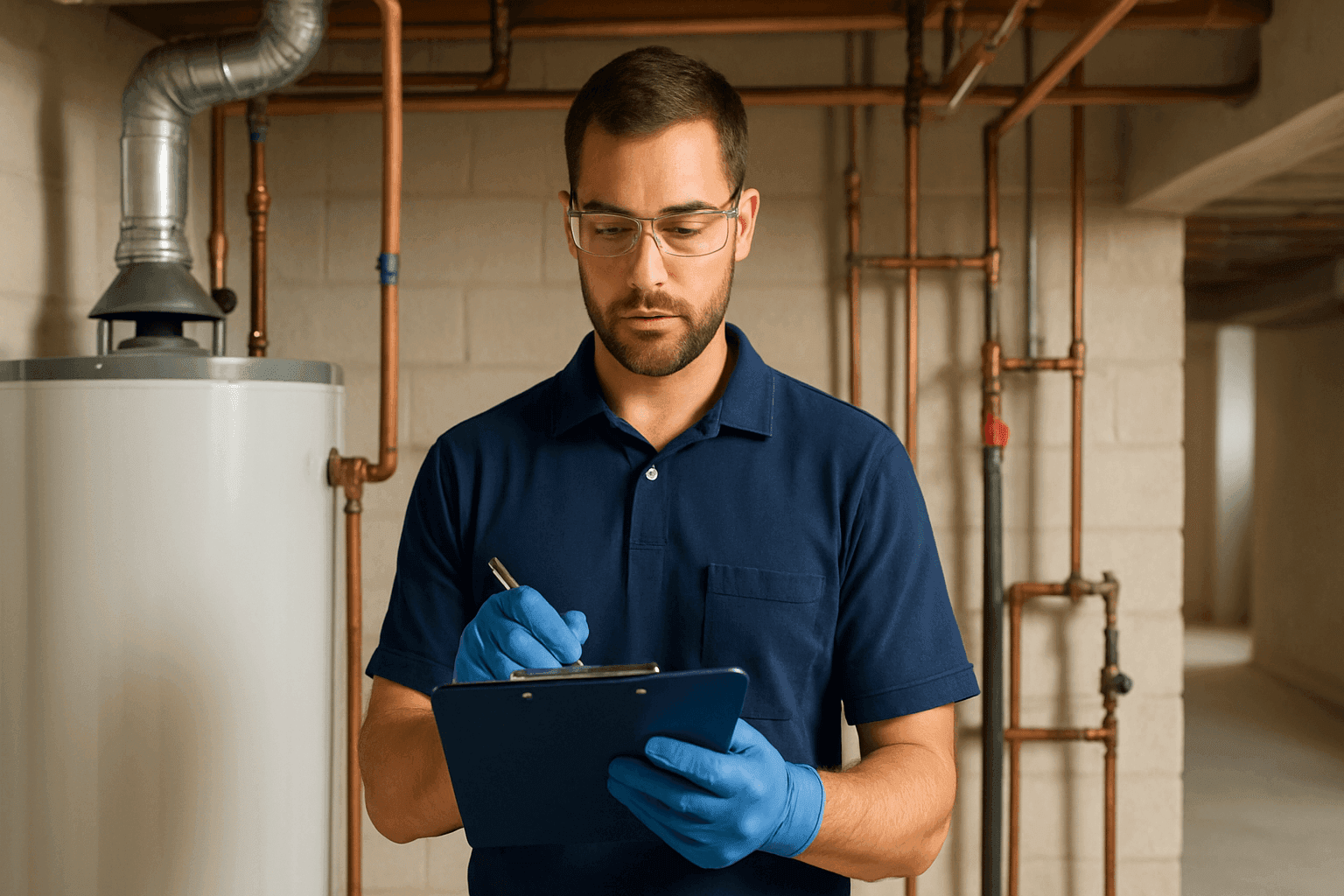
Every homeowner’s been there. That telltale drip. The slow drain. Or maybe a pipe that sounds like it’s auditioning for a horror movie. The truth? Most plumbing disasters start small. But with a little know-how and a solid plan, you can keep your home’s plumbing running smoother than a freshly cleaned drain.
At Hynes Plumbing, we’ve seen it all. From emergency plumbing at midnight to routine Water Heater Repair near you, our job is to help you sidestep trouble before it hits. This guide is your roadmap—packed with real tips, safety checklists, and the straight talk homeowners deserve.
Why Preventative Maintenance Matters 🛠️
Picture your plumbing like your car’s engine. Ignore it, and you could be stranded on the side of the road—or, in this case, wading through a flooded basement.
Why invest a little time up front?
- Catch leaks early: A tiny drip can quietly waste hundreds of gallons (and dollars) over time.
- Boost appliance life: Regular checkups help your water heater, boiler, and sump pump last longer.
- Avoid emergencies: Prevention is always cheaper (and less stressful) than a surprise flood at 2 AM.
- Keep water safe: Checks on backflow prevention, water filtration, and gas safety keep your family healthy.
According to the American Water Works Association, up to 14% of all water used in the home is lost to leaks. That’s not just money down the drain—it’s potential damage to floors, walls, and your peace of mind.
Monthly, Seasonal, and Annual Tasks
Taking care of your plumbing isn’t just a once-a-year thing. Here’s how to break it down:
Monthly Maintenance
- Run water in rarely used sinks and tubs. Keeps traps from drying out and stops sewer gas from sneaking in.
- Check under sinks & behind appliances. Feel for dampness or see any signs of mildew? Time to investigate.
- Clean drain stoppers. Hair, soap scum, and gunk collect fast.
Seasonal Tasks
Spring 🌱
- Inspect sump pump. Pour water into the pit and watch it work—no surprises when storms roll in.
- Look for signs of winter damage. Any bulging pipes or mystery wet spots after thaw? Act fast.
Summer
- Check outdoor faucets and hoses. Leaks here can spike your bill and damage foundations.
- Test your water pressure. Low pressure could mean sediment build-up or a hidden leak.
Fall 🍂
- Disconnect and drain outdoor hoses. Prevents frozen pipes when the first frost hits.
- Insulate exposed pipes. Especially in crawl spaces, garages, or along exterior walls.
Winter
- Monitor for frozen pipes. Trickling water or frosty pipe exteriors are warning signs.
- Keep cabinet doors open. Under sinks on cold nights—lets warm air reach pipes.
Annual Maintenance
- Professional Water Heater Inspection. Catch corrosion or faulty valves before they fail.
- Sewer Line Inspection. Especially in tree-lined neighborhoods—roots love to sneak in.
- Check for backflow prevention. Confirm devices are working to keep water safe.
- Boiler or gas line safety check. Carbon monoxide is invisible—don’t risk it.
Tools Every Homeowner Should Have 🧰
You don’t need a truck full of gear to manage basic plumbing care. But having a few essentials on hand can save you time, money, and a soggy mess.
- Plunger: For toilets and sinks. Go for a heavy-duty flange plunger for toilets.
- Adjustable wrench: Tightens or loosens almost any plumbing fitting.
- Pipe wrench: Handy for larger metal pipes.
- Bucket and towels: For catching drips and quick clean-up.
- Flashlight: For peeking under cabinets or in crawl spaces.
- Plumber’s tape (Teflon): Seals threaded pipe connections.
- Drain snake or auger: Clears basic clogs beyond what a plunger can handle.
- Gloves and safety goggles: Protect your hands and eyes—especially from harsh cleaners or debris.
Pro tip: For leak detection, consider a simple water sensor alarm under appliances or near sump pumps. Even a basic battery-powered version can give you a head start if trouble strikes.
Warning Signs to Watch For 🚨
Your plumbing can’t send you a text. But it does send signals. Here’s what to watch (and listen) for:
- Unusual noises: Banging, gurgling, or whistling in pipes can signal air, clogs, or high pressure.
- Drop in water pressure: Sudden or gradual—could mean a leak or blockage.
- Slow drains: One slow sink? Maybe a local clog. Multiple? Could be a main line problem.
- Spots of moisture: Damp cabinets, bubbling paint, or unexplained puddles spell trouble.
- Odd smells: Sewage, rotten eggs (gas leak!), or mustiness shouldn’t be ignored.
- Discolored water: Rusty or cloudy water can mean corrosion or sediment buildup.
- Running toilets: A constantly running toilet wastes gallons and may point to a faulty flapper.
Don’t shrug off these clues. Small issues can snowball quickly.
How Hynes Plumbing Supports You
You might be handy. You might not. Either way, some jobs are best left to the folks who’ve trained for years, follow building codes, and know exactly where hidden pipes run.
Here’s what sets our team apart:
- Emergency plumbing response: Day or night, we’re ready.
- Thorough inspections: We use advanced leak detection and sewer line cameras to find problems fast.
- Transparent service: We’ll explain what’s going on—in plain English. No jargon, no surprises.
- Upfront about DIY vs. Pro-only: We’ll let you know when a plunger will do, and when it’s time to call in the cavalry.
DIY vs. Pro-Only: Where’s the Line?
Safe for DIY:
- Plunging a clogged toilet or sink
- Cleaning faucet aerators
- Replacing showerheads or basic sink fixtures
- Unclogging minor drains with a hand auger
Leave to the Pros:
- Gas line installation or repairs (serious safety risk)
- Boiler repair or gas safety checks
- Major pipe installation, repiping, or sewer line work (permits required)
- Backflow testing and prevention systems
- Complex leak detection (especially inside walls or under slabs)
- Water heater installation or repair (risk of scalding or gas leaks)
When in doubt, ask. Sometimes a five-minute call can save hours (and headaches) later.
Maintenance Calendar: Plan for Peace of Mind 🗓️
Keeping your plumbing in check is easier with a plan. Here’s a quick calendar to hang on your fridge:
- Every Month: Check for leaks, run unused taps, clean drains.
- Spring & Fall: Inspect sump pump, disconnect hoses, check insulation, test water pressure.
- Annually: Schedule professional inspections for water heater, sewer line, boiler, and backflow systems.
Set reminders on your phone, or tie tasks to other home routines—whatever helps you stay ahead.
Local Insights: Freeze/Thaw, Storm Prep, and More 🌨️
Living in an area with real winter? Or prone to heavy summer storms? Local conditions matter.
- Freeze/thaw cycles: Pipes in garages, exterior walls, or attics are at risk. Insulate well and drip faucets in deep cold.
- Storm prep: Test your sump pump before rainy season. Keep gutters clear to direct water away from the foundation.
- Tree roots: If you have old trees near your sewer line, consider a camera inspection every couple of years—roots seek out even the smallest cracks.
- Water pressure swings: Older neighborhoods may have fluctuating pressure. A pressure-reducing valve can help protect fixtures.
For more on regional codes and safety, the International Association of Plumbing and Mechanical Officials (IAPMO) is a trusted resource. Always check local building guidelines before big projects.
Product Recommendations from the Field
Some products make life easier—and safer—for homeowners:
- Water leak sensor alarms: Affordable and easy to install. Place under sinks, near water heaters, or in basements.
- Pipe insulation sleeves: Foam tubes that slip over pipes. A must for unheated spaces.
- Pressure-reducing valve: Protects your pipes from spikes in city water pressure.
- Backflow preventer: Keeps contaminated water from flowing back into your clean supply.
- Sump pump battery backup: When the power goes out, your pump keeps running.
Stick with brands that have good reviews and meet recognized safety standards (like UPC or NSF certification). Not sure what fits your home? We’re happy to steer you in the right direction.
Frequently Asked Questions
How do I know if my plumbing problem is an emergency?
If there’s active flooding, water shutoff is needed, or you suspect a gas leak—that’s an emergency. Uncontrolled leaks, sewer backups, and no hot water (in winter) also mean it’s time for immediate help.
My water bill just spiked. What should I check first?
Look for visible leaks under sinks, toilets, and in the basement. Listen for running water when everything’s off. If you can’t find it, call for leak detection—hidden leaks can cause major damage.
Can I use chemical drain cleaners?
Short answer: Avoid them. Many can eat away at older pipes and harm the environment. Opt for a plunger, drain snake, or call a professional for stubborn clogs.
How often should I replace my water heater?
Most units last 8–12 years. If yours is older, leaks, or makes strange noises, it may be time for a professional Water Heater Repair near you—or replacement.
Closing Thoughts
Preventative plumbing maintenance isn’t about doing everything yourself. It’s about knowing your home, staying alert for warning signs, and bringing in help when it matters most. At Hynes Plumbing, we’re here to serve—midnight or midday—with the know-how and respect every homeowner deserves.
Call Hynes Plumbing now — or reach us anytime at 888-426-1013 .