How to Prevent Plumbing Emergencies: Essential Tips for Homeowners and Small Businesses
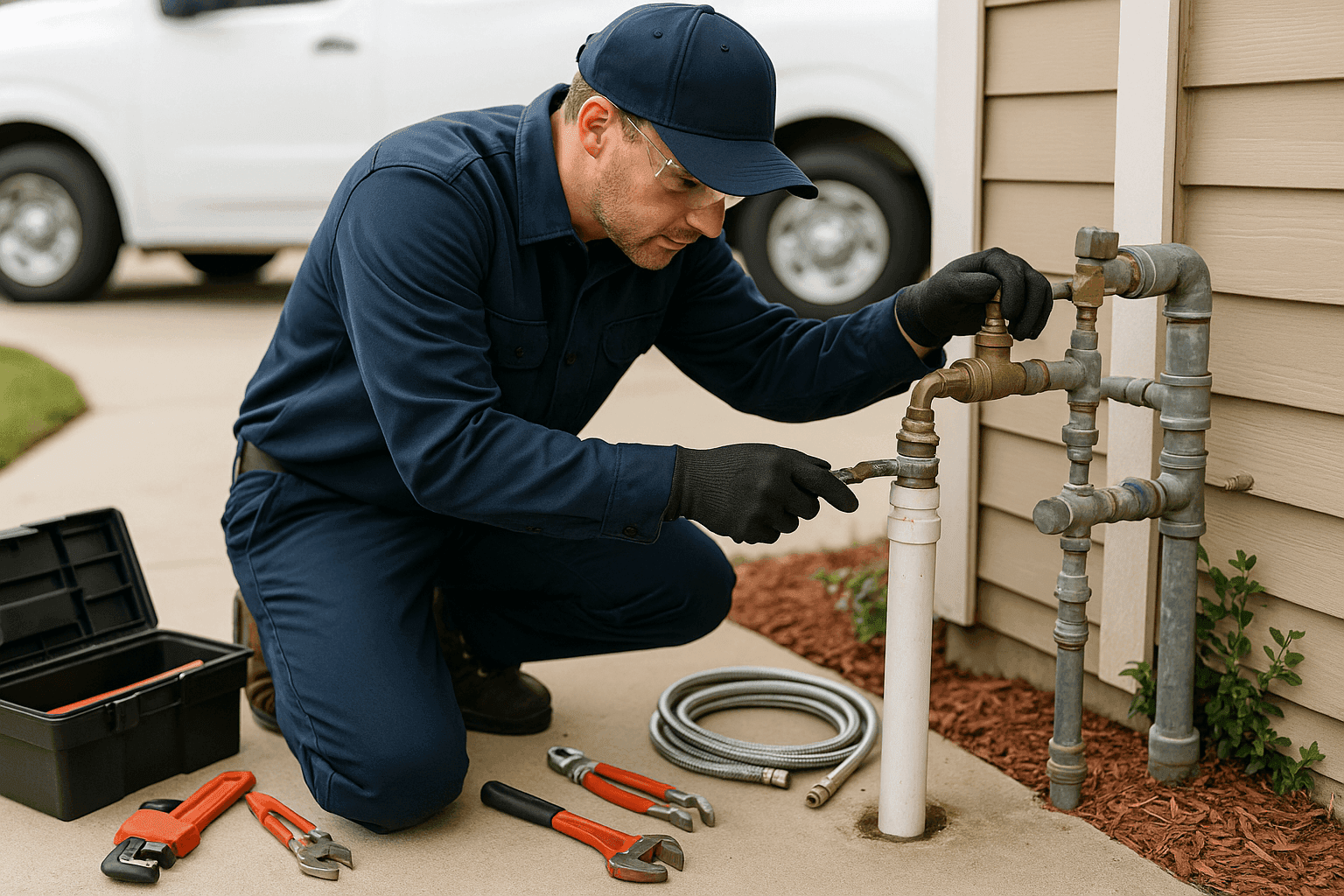
Plumbing emergencies never arrive at a good time. One minute, everything’s flowing smoothly. The next, you’re ankle-deep in water or facing a sudden, icy shower. Whether you’re a homeowner or run a small business, these moments can be stressful—and expensive.
At Hynes Plumbing, we know the best way to handle a crisis is to avoid it altogether. Years of hands-on experience, plus a commitment to industry safety guidelines, have taught us what really works. Here’s how you can keep your plumbing system out of trouble and your property protected.
The Most Common Causes of Plumbing Emergencies
Think of your plumbing like the veins in your home or business. When something blocks or damages them, the whole system suffers. Emergencies usually start small and snowball fast. Here are the usual suspects:
- Leaks: Tiny drips can turn into gushing floods, damaging floors, walls, and valuables.
- Clogs: Grease, hair, or debris can block pipes, leading to backups and overflows.
- Frozen Pipes: Water expands as it freezes, causing pipes to crack or burst.
- Equipment Failures: Water heaters, sump pumps, and boilers can fail without warning.
- Sewer Backups: Tree roots, collapsed lines, or blockages can send wastewater back into your space.
Most disasters don’t happen overnight. They build up quietly, waiting for the worst possible moment to strike.
Routine Preventative Maintenance 🛠️
Routine care is like regular oil changes for your car—it keeps everything running smoothly and avoids surprise breakdowns. Here’s what should be on your plumbing maintenance checklist:
Regular Inspections
- Check for visible leaks under sinks, around toilets, and near appliances.
- Look for corrosion on pipes and fittings.
- Test water pressure—too high or too low can signal hidden problems.
- Inspect exposed pipes for signs of wear or rust.
Schedule a professional inspection at least once a year. According to the International Association of Plumbing and Mechanical Officials (IAPMO), regular checks help catch issues early.
Drain Cleaning
- Avoid chemical drain cleaners—they can corrode pipes.
- Use strainers in sinks and tubs to catch hair and debris.
- Flush drains with hot water weekly to prevent buildup.
- Schedule professional drain cleaning annually or if you notice slow drains.
Sump Pump Care
- Test your sump pump by pouring water into the pit. Make sure it activates and drains properly.
- Clean the pump and pit every few months to remove debris.
- Check the power source and backup battery (if you have one).
Water Heater Maintenance
- Drain and flush your water heater yearly to remove sediment.
- Check the temperature setting (120°F is usually safe).
- Inspect for leaks or rust around the tank and connections.
Backflow Testing
- Schedule annual backflow testing to prevent contaminated water from entering your supply.
- Install backflow prevention devices if you don’t have them.
Seasonal Preparations
Every season brings its own plumbing challenges. A little prep goes a long way.
Winterizing Pipes ❄️
- Insulate exposed pipes in basements, attics, and crawl spaces.
- Disconnect outdoor hoses and shut off exterior faucets.
- Let faucets drip during extreme cold to keep water moving.
- Seal gaps in walls or foundations to block cold air.
Frozen pipes are a leading cause of winter emergencies. The American Red Cross recommends these steps to avoid costly repairs.
Storm Readiness
- Clear gutters and downspouts to direct water away from your foundation.
- Check sump pumps before heavy rain.
- Know where your main water shut-off valve is—and make sure everyone else does too.
Early Warning Signs: Catch Problems Before They Grow
Your plumbing gives subtle hints when something’s wrong. Here’s what to watch (and listen) for:
- Unusual noises: Banging, whistling, or gurgling pipes signal air or blockages.
- Slow drains: Water pooling in sinks or tubs means a clog could be forming.
- Musty smells: Persistent odors hint at hidden leaks or mold.
- Water stains: Discoloration on ceilings or walls often points to a leak.
- Sudden changes in water pressure: This can mean a pipe is cracked or blocked.
- Unexplained water bills: Spikes can be the only clue of a hidden leak.
- Gas odors: If you smell gas, evacuate immediately and call for help. Gas leaks are dangerous and require urgent attention.
Don’t ignore these signs. Acting early can save you from a disaster.
When to Call a Professional Plumber
Some tasks are perfect for a handy homeowner. Others demand a trained eye and specialized tools. Here’s when it’s time to call in the pros:
- Major leaks or flooding
- Sewer line backups or foul odors
- No water or very low pressure
- Gas line concerns
- Persistent clogs that DIY methods can’t fix
- Water heater or boiler issues
- Backflow incidents
Professional plumbers use advanced leak detection equipment, sewer cameras, and follow strict safety standards (such as those set by the Occupational Safety and Health Administration, OSHA). Trying to fix these problems yourself can make things worse—or put your safety at risk.
DIY Plumbing Tips for Homeowners and Small Businesses
There’s plenty you can do to keep your system healthy between professional visits:
- Tighten loose fittings with a wrench, but don’t overtighten.
- Replace worn washers in faucets to stop drips.
- Clear minor clogs with a plunger or hand auger.
- Keep grease, coffee grounds, and wipes out of drains.
- Know your shut-off valves—label them if needed.
If you’re unsure, don’t guess. Professional help is a call away.
What to Expect When a Plumber Arrives
When you call for emergency plumbing help, here’s what usually happens:
- Assessment: The plumber inspects the problem area and asks about symptoms.
- Leak detection: Using moisture meters or infrared cameras, they pinpoint hidden leaks.
- Drain inspection: Sewer cameras may be used to locate blockages.
- Repairs: They’ll use industry-standard parts and follow plumbing codes.
- Safety checks: Gas lines, water pressure, and backflow devices are checked for compliance.
- Cleanup: The work area is left tidy and safe.
A good plumber will explain the issue, outline your options, and answer your questions.
Prevention & Maintenance: Your Best Defense
Ounce of prevention, pound of cure. This old saying fits plumbing perfectly.
- Schedule annual inspections for your whole system.
- Clean drains and sump pumps regularly.
- Test water pressure and adjust as needed.
- Install water leak detectors—these can alert you before damage spreads.
- Maintain appliances like water heaters, boilers, and garbage disposals.
- Arrange for regular backflow testing to protect your water supply.
- Educate everyone in your home or business about emergency shut-off procedures.
Following these steps can help you avoid most plumbing emergencies.
Costs & Time Factors
Plumbing emergencies can hit your wallet hard. The cost depends on the severity and location of the problem:
- Minor leaks or clogs: Usually resolved in an hour or two.
- Major pipe repairs or replacements: Can take several hours to a day.
- Sewer line issues: May require excavation and several days of work.
- Water heater or boiler repairs: Often completed within half a day, but replacement may take longer.
Routine maintenance is far less expensive than emergency repairs. Think of it as insurance for your property.
When It’s an Emergency
Not every plumbing issue is urgent, but some need immediate attention:
- Burst pipes or flooding
- Sewage backups
- No water supply
- Gas leaks
- Overflowing toilets when you can’t stop the flow
In these cases, shut off your main water or gas supply if you can do so safely, and call Hynes Plumbing right away. Quick action limits damage and keeps everyone safe.
Frequently Asked Questions
How often should I have my plumbing inspected?
Most experts recommend a full inspection once a year. Older properties or those with frequent issues may need more frequent checks.
What’s the best way to prevent frozen pipes?
Insulate exposed pipes, especially in unheated areas. During extreme cold, let faucets drip and keep cabinet doors open to allow warm air to circulate around pipes.
Can I use chemical drain cleaners?
It’s best to avoid them. Chemicals can damage pipes and harm the environment. Use a plunger or call a professional for stubborn clogs.
What should I do if I smell gas?
Evacuate immediately and call for professional help from a safe location. Gas leaks are extremely dangerous and require urgent attention.
Special Considerations for Homes and Small Businesses
Every property is unique. Small businesses often have more complex plumbing due to higher usage or specialized equipment. Consider these tips:
- Schedule maintenance during off-hours to avoid disrupting business.
- Install water alarms in basements, kitchens, or near appliances.
- Keep maintenance records—they’re helpful for insurance and resale.
- Train staff or family members on emergency procedures.
Remember, plumbing emergencies don’t wait for business hours. Being prepared makes all the difference.
Plumbing emergencies can be overwhelming, but a little preparation goes a long way. Stay ahead of problems with regular maintenance and know when to call for help.
Call Hynes Plumbing now — or reach us anytime at 888-426-1013 .