Preventing Frozen Pipes: Winter Plumbing Tips for Homeowners
Winter has a way of sneaking in overnight, leaving homeowners with more than just chilly toes. Frozen pipes can turn a peaceful morning into a flood of stress. At Hynes Plumbing, we've seen too many homes suffer water damage, unnecessary costs, and the cold discomfort of burst pipes.
But you have the power to protect your home. With the right steps—and a little know-how from our seasoned team—your pipes can weather even the harshest cold snaps. Let’s dig into how you can keep your plumbing safe this winter.
Why Pipes Freeze ❄️
Pipes are like the veins of your house. When the temperature drops, especially below 20°F (-6°C), the water inside can freeze. As water freezes, it expands. And just like squeezing a balloon, that pressure needs an outlet. If it can’t find one, your pipe might split open. Suddenly, a minor freeze becomes a major emergency plumbing problem.
Pipes in unheated spaces—think basements, attics, crawl spaces, or even exterior walls—are most at risk. But it doesn’t take a polar vortex to freeze pipes; a quick cold snap, or even leaving the garage door open overnight, can do the trick.
Vulnerable Areas in Your Home
Every home has its soft spots. Here’s where to watch:
- Attics & Crawl Spaces: Often under-insulated, these areas are notorious for cold pockets.
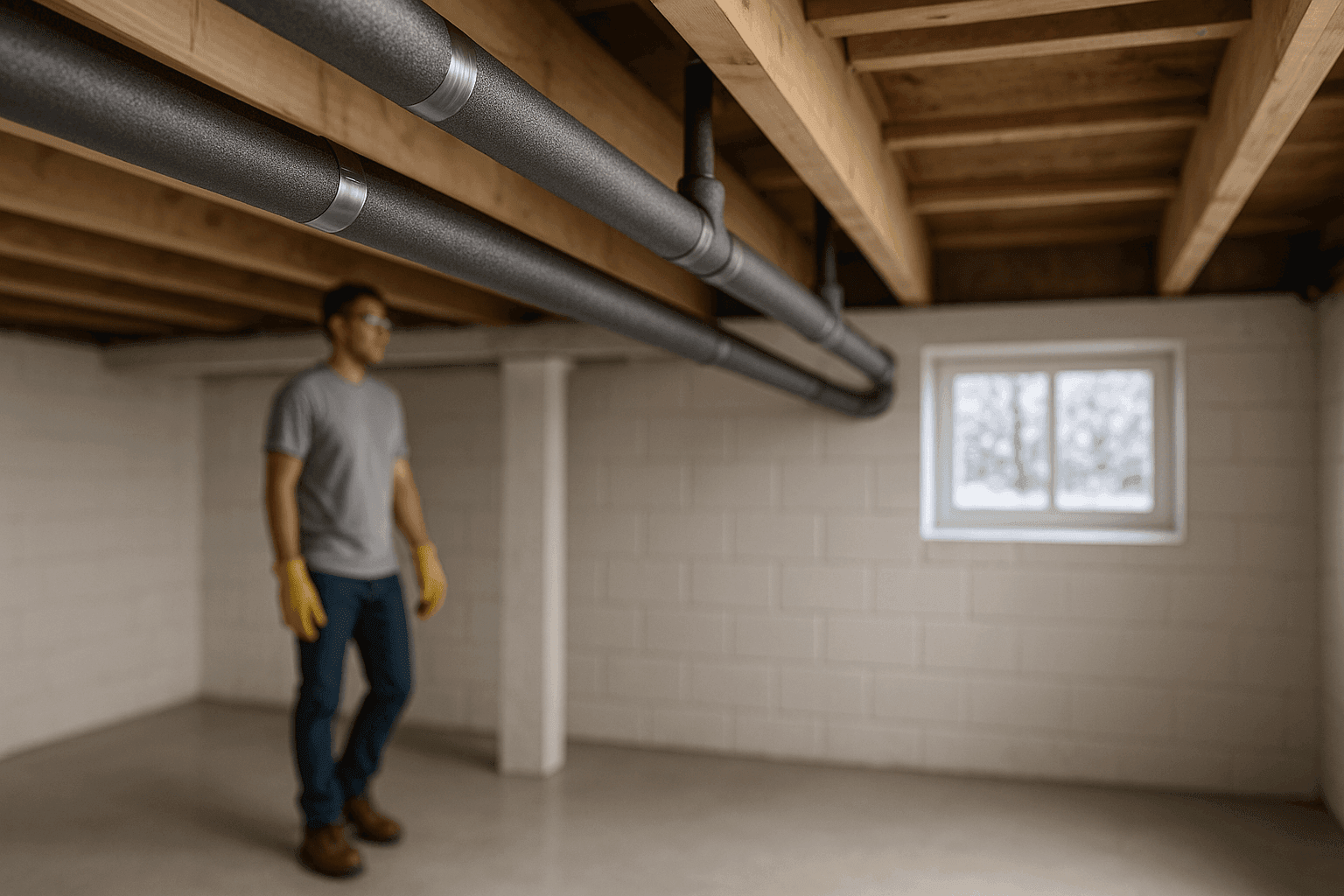
- Basements & Garages: Even finished basements may have exposed pipes near outside walls.
- Kitchen & Bathroom Cabinets: Pipes running along exterior walls, especially under sinks, chill fast.
- Outdoor Hose Bibs: These freeze first, then send ice up into your plumbing system.
- Laundry Rooms: Utility sinks and washer hookups near unheated walls are common culprits.
Pro Tip: Southern homes, built for milder winters, often have pipes with less insulation. Northern homes may still have hidden risks if insulation is old or incomplete.
DIY Insulation Techniques 🧤
You don’t need to be a plumber to give your pipes a fighting chance. Here’s how:
- Pipe Foam Insulation: Wrap vulnerable pipes with pre-slit foam tubes. Available at most hardware stores.
- Heat Tape or Cables: Electric heat cables can keep pipes above freezing. Make sure products meet UL safety standards and follow manufacturer instructions.
- Seal Gaps: Use caulk or expanding foam to plug drafts around pipes entering from outside.
- Open Cabinets: Let warm air circulate around pipes under sinks, especially at night.
- Let Faucets Drip: A small trickle keeps water moving and relieves pressure if freezing starts.
- Disconnect Hoses: Remove, drain, and store garden hoses. Shut off and drain outdoor spigots if possible.
Product Recommendations: Brands like Frost King and EasyHeat offer reliable insulation materials. Always look for products rated for your region’s lowest expected temperature.
Signs Pipes Are at Risk 🚨
Catch problems early to avoid disaster. Watch for:
- Frost on Pipes: Visible frost or ice means water inside may be freezing.
- Odd Smells: Sewer or musty smells from faucets or drains can mean a blocked, frozen pipe.
- No Water Flow: If water slows to a trickle, a pipe may be iced up.
- Unusual Noises: Banging, clanking, or gurgling when you turn on the tap can signal trouble.
If you spot any of these, act quickly. The longer pipes stay frozen, the higher the risk of rupture.
What to Do if a Pipe Freezes
Stay calm. Here’s your emergency game plan:
- Shut Off Water: Locate your home’s main shut-off valve (usually in the basement or near the water meter) and turn it off to stop flow.
- Open Faucets: Turn on nearby faucets to relieve pressure and allow melting ice to escape.
- Apply Heat: Gently warm the frozen section using a hair dryer, heating pad, or warm towels. Never use open flames or propane torches.
- Check for Leaks: Once thawed, inspect for cracks or leaks before turning the water back on fully.
If you can’t locate the freeze, or if the pipe is split, call an emergency plumbing professional—fast.
Quick Printable Checklist
Prevent Frozen Pipes: Winter Plumbing Readiness
- [ ] Insulate exposed pipes in unheated areas
- [ ] Install heat cables on vulnerable pipes
- [ ] Seal gaps and drafts around pipes
- [ ] Disconnect and drain outdoor hoses
- [ ] Keep garage doors closed
- [ ] Open sink cabinets during cold snaps
- [ ] Let faucets drip on frigid nights
- [ ] Know your main water shut-off location
- [ ] Schedule seasonal plumbing inspection
Print and post this near your water shut-off valve or utility room for easy reference.
Region-Specific Advice 🌎
Northern U.S. and Canada:
Homes here often have better insulation, but deep freezes can still overwhelm old or unprotected pipes. Prioritize attics, garages, and crawl spaces for extra insulation. Invest in pipe heat cables for the coldest rooms.
Southern U.S.:
Mild winters can lull homeowners into a false sense of security. Many homes lack pipe insulation, and pipes may run through unconditioned attics or garages. Even a brief cold snap can cause serious damage. Focus on insulating pipes in all exterior walls and be ready to act quickly if a freeze is forecast.
New Construction vs. Older Homes:
New builds may meet updated energy codes (see International Residential Code sections P2603.5), but any home can have weak spots. Older homes need extra attention—draft sealing and insulation upgrades pay off fast.
Emergency Shut-Off Procedures
Knowing how to shut off your water can save thousands in damage:
- Locate Main Valve: Usually on a basement wall, near the water meter, or where the main line enters the house.
- Turn Clockwise: Use your hand or a wrench—never force it if stuck.
- Teach Family Members: Everyone in the home should know where it is and how to use it.
If you smell gas, evacuate and call your utility company. Never try to repair gas lines yourself.
When to Call Hynes Plumbing
Frozen pipes aren’t always a DIY fix. If you notice:
- Water leaking from ceilings or walls
- No water in multiple fixtures
- Split or burst pipes
- Persistent water pressure issues after a freeze
- Suspected damage to your water heater or boiler
…it’s time for professional help. Our emergency plumbing team is on-call 24/7. We arrive fast, assess the situation, and use state-of-the-art thawing and leak detection tools. We even handle water heater repair and boiler issues that often follow pipe problems.
Frequently Asked Questions
How cold does it have to be for pipes to freeze?
Pipes can freeze when temperatures drop below 20°F (-6°C), but wind and drafts can make freezing happen even in slightly warmer weather.
Can I use a space heater to thaw a pipe?
Yes, but use extreme caution. Keep heaters away from flammable materials and never leave them unattended.
Is it safe to use salt or chemicals to melt ice in pipes?
No. Salt and chemicals can corrode pipes or cause blockages. Stick to gentle heat.
Will insurance cover frozen pipe damage?
Most homeowner policies cover sudden water damage, but not if neglect is found. Check your policy details.
Final Thoughts: Prevention Is Your Home’s Best Friend
Winterizing isn’t just about comfort—it’s about keeping your home safe, dry, and running smoothly. Simple steps now can prevent messy, expensive emergencies later. And if things do go sideways, Hynes Plumbing is ready to respond, day or night, with the skill and speed you deserve.
Call Hynes Plumbing now — or reach us anytime at 888-426-1013 .