How to Prepare Your Plumbing for Storms and Heavy Rain
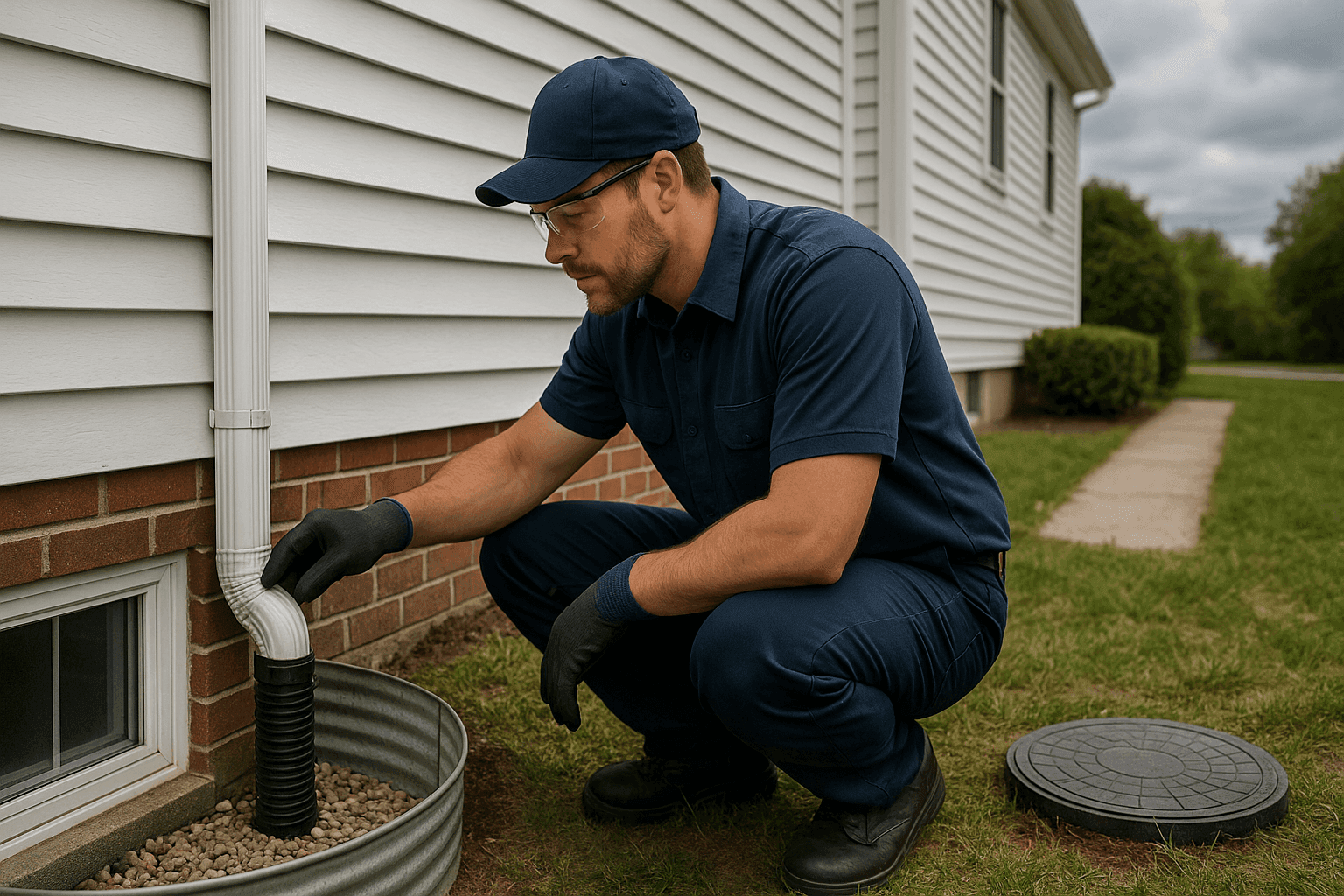
When storms roll in, your plumbing is often the first line of defense between a dry home and a flooded disaster. Heavy rain pounds on windows, wind rattles the roof, and—out of sight—your pipes, drains, and sump pump are working overtime. At Hynes Plumbing, we know storm prep is about more than just battening down the hatches. It's about rapid response, local know-how, and proven steps that keep water where it belongs.
Bad weather doesn’t stick to business hours. That’s why we’re ready with emergency plumbing services day or night. Whether it’s water heater repair near you or a sudden leak under the sink, we’re here to help you protect what matters most.
Why Storm Prep Matters for Plumbing ⚡
Water is powerful. During storms, it wants in—through the tiniest cracks, around old pipes, and into low-lying basements. If your plumbing isn’t ready, you could face:
- Flooded basements and crawlspaces
- Backed-up drains and toilets
- Burst pipes from sudden pressure changes
- Water heater breakdowns mid-storm
- Costly structural damage and long-term mold
Think of your plumbing like the goalie in a championship game. If it’s not ready, even a small storm can score big.
Regional Storm & Flooding Realities
Across the country, severe weather patterns are becoming less predictable. Local codes (such as the International Plumbing Code and FEMA guidelines) now recommend regular sump pump inspections, backflow prevention, and flood-resistant fixtures for homes in flood-prone zones. Even if your area isn’t a floodplain, "100-year storms" are arriving every few years. Preparation is your best defense.
Vulnerable Areas to Protect
Not all parts of your plumbing are equally at risk. Here’s where storms hit hardest:
- Basement sump pump: The unsung hero during downpours. If it fails, water rises fast.
- Floor drains: Can back up if overwhelmed by runoff or debris.
- Toilets and main sewer line: Heavy rain can cause sewer water to push backwards.
- Outdoor pipes and hose bibs: Exposed to sudden pressure shifts and freezing if temperatures drop.
- Water heater: Especially vulnerable if located in a basement or garage that floods.
- Gutters and downspouts: If clogged, they force water toward your foundation—and your pipes.
Checklist for Pipes, Drains, and Sump Pumps 📝
Print or save this checklist before the next storm hits:
- [ ] Test your sump pump: Pour water into the pit. It should switch on and drain quickly.
- [ ] Clear gutters and downspouts: Remove leaves, sticks, and debris to keep water flowing away from your home.
- [ ] Inspect floor and outdoor drains: Remove visible blockages. Pour water to test flow.
- [ ] Check for slow drains: A slow kitchen sink or shower is a red flag. Address it now, not during the storm.
- [ ] Look for pipe leaks: Damp spots, mold, and musty odors are warning signs.
- [ ] Confirm backflow prevention devices work: These stop sewage from entering your home during floods.
- [ ] Elevate your water heater and appliances: Use platforms or bricks to keep them above possible flood lines.
- [ ] Know your water main shut-off location: Label it clearly for the whole family.
- [ ] Secure outdoor hoses and cover hose bibs: Prevent freezing during cold storms.
- [ ] Inspect visible pipes for rust, bulging, or corrosion: Weak pipes burst first under pressure.
A little time now saves a lot of heartache later.
What to Do Before, During, and After a Storm
Before the Storm
- Finish the checklist above.
- Stock up on towels, buckets, and a battery-powered sump pump backup if possible.
- Move valuable items off basement floors.
- If you have a water filtration system, review the manufacturer’s storm protocol.
During the Storm
- Listen for unusual sounds: gurgling drains, running water, or the sump pump turning on and off rapidly.
- Avoid using major plumbing appliances (washer, dishwasher) to ease system pressure.
- If you lose power, check sump pump operation immediately.
- Watch for sudden drops in water pressure—this could signal a leak or broken pipe.
After the Storm
- Inspect all pipes, especially in the basement and crawl spaces.
- Flush toilets and run faucets to check for blockages.
- Check your water heater for standing water or pilot light issues.
- If you notice persistent dampness or odors, call for leak detection.
- Book a professional sewer line inspection if you suspect backflow or slow drains.
Emergency Response Tips 🚨
Sometimes, despite all your prep, water still finds a way. Here’s how to act fast:
- Shut off water at the main valve if you discover a major leak or burst pipe.
- Unplug electrical devices near standing water.
- Don’t try to clear major blockages with chemicals—these can worsen the problem.
- Call for emergency plumbing if water is rising or sewage backs up. Speed matters.
- Document any damage for insurance, taking photos before cleanup.
- Keep children and pets away from flooded areas—standing water can hide electrical hazards.
Remember, Hynes Plumbing’s rapid response means help is always close by.
Printable Storm Plumbing Prep Checklist
- Test sump pump and backup power
- Clear gutters, downspouts, and drains
- Inspect for leaks and corrosion
- Confirm backflow valves and shut-off locations
- Elevate appliances and valuables
- Stock towels, buckets, and flashlights
- Secure outdoor plumbing
Print this list. Stick it on your fridge. Share it with neighbors. Preparation is a team effort.
Service Guarantees & Local Expertise
We don’t make promises we can’t keep, but we do stand behind our training and local experience. Our licensed plumbers know your city’s unique challenges, from high water tables to old clay sewer lines. We stay up-to-date with building codes and safety guidelines, including recommendations from the National Association of Plumbing-Heating-Cooling Contractors (PHCC).
When you call Hynes Plumbing for water heater repair near you—or any emergency plumbing—we arrive equipped, assess quickly, and work safely until the job is done.
Frequently Asked Questions
How often should I inspect my sump pump and drains?
At least twice a year—before storm season and again in the fall. If you live in a flood-prone area, check monthly.
Can I use store-bought drain cleaner to prevent blockages?
We don’t recommend it. Chemical cleaners can corrode pipes and damage your plumbing system. Mechanical cleaning (like a drain snake) is safer.
What should I do if my basement floods during a storm?
First, stay safe—avoid electrical outlets and standing water. Shut off the main water valve if possible. Then call for emergency plumbing help.
Will my homeowner’s insurance cover plumbing damage from storms?
Often, yes, but coverage varies. Document everything and contact your insurer promptly.
Local & Seasonal Storm Considerations 🌧️
Spring and fall bring the heaviest rains in most regions, but summer storms and winter thaws can be just as damaging. If your home is near rivers or in a low area, your risk goes up. Watch local weather alerts and prepare early—don’t wait for the first clap of thunder.
Code updates and floodplain maps change over time. Check with your municipality or building inspector for the latest requirements. Hynes Plumbing is always on top of these details, so you don’t have to be.
Storms test your home’s defenses. Let’s make sure your plumbing passes with flying colors. If you need emergency plumbing, water heater repair near you, or a fast inspection after heavy rain, don’t wait.
Call Hynes Plumbing now — or reach us anytime at 888-426-1013 .