Pipe Repair vs. Repiping: What’s Best for Your Home?
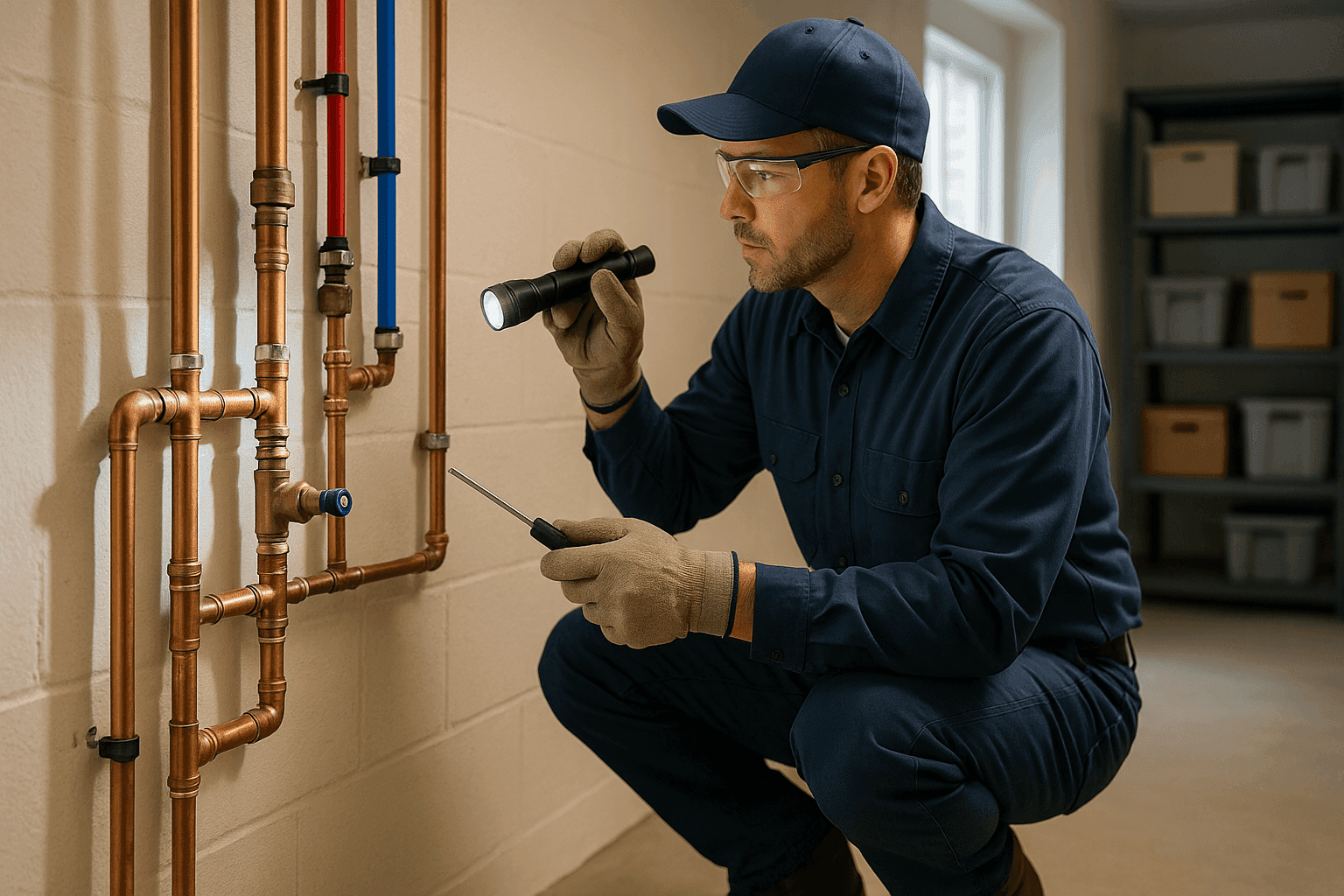
Does a small leak mean a quick fix? Or is it a red flag for something bigger? Every homeowner faces this crossroads at some point. Pipes age, water stains show up, and you’re left guessing—patch it or replace the whole thing?
At Hynes Plumbing, we understand that plumbing problems don’t wait for a convenient time. Your comfort and safety come first, whether you need a fast water heater repair near you or an emergency plumbing response in the middle of the night. Let’s break down the difference between pipe repair and repiping, so you can make the smartest call for your home.
The Problem: Patch or Replace?
A leaky pipe can seem like just another household hiccup. But sometimes, it’s the tip of a much bigger iceberg. Picture your home’s plumbing like the veins in your body—when one gets blocked or bursts, sometimes a bandage works. Other times, you need a new lifeline altogether.
When Pipe Repair Is Enough
- Single, isolated leaks, especially in newer pipes.
- Minor corrosion or damage in a small section.
- No history of recurring issues in your plumbing system.
- Pipe material is still up to modern code and in good overall condition.
When Repiping Is Needed
- Frequent leaks in different areas—think of it as whack-a-mole with water.
- Pipes over 50 years old, especially galvanized steel or polybutylene (these have known issues).
- Discolored water or low water pressure across the home.
- Visible corrosion, rust, or scaling on exposed pipes.
- Multiple repairs in recent years—if you’re calling for emergency plumbing more often, it’s a clue the system is failing.
Quick Safety Checklist 🔧
Before you dig in—or call for help—run through this list:
- Shut off the main water supply if you notice a leak or burst.
- Check for signs of water damage on walls, ceilings, or floors.
- Listen for hissing or dripping—sometimes a hidden leak is only heard, not seen.
- Smell for gas if you have gas lines near plumbing—evacuate if you suspect a leak and call professionals immediately (refer to your local fire safety code).
- Glance at your water meter—rapid movement with no water running = hidden leak.
DIY or Call a Pro?
It’s tempting to grab a wrench and try a patch job. Sometimes, that’s totally fine—think tightening a loose fitting or swapping a washer. But plumbing is like a puzzle behind your walls. One wrong move can lead to a flood, mold, or even unsafe drinking water.
When DIY Might Work
- Small, visible leaks on accessible pipes.
- Temporary fixes like pipe clamps or epoxy putty (but remember, these are band-aids, not cures).
- Unclogging a simple drain or tightening a joint.
When to Call a Professional Plumber
- Leaks behind walls or under floors.
- Mysterious drops in water pressure.
- Multiple leaks or ongoing issues.
- Older homes or outdated piping materials.
- Concerns about water quality or safety.
A certified plumber doesn’t just fix the leak—they assess the whole system, spot code violations (per the Uniform Plumbing Code or International Residential Code), and help you avoid repeat emergencies.
What Pros Do On Arrival
When Hynes Plumbing shows up, we’re not just playing detective—we’re bringing the right tools and know-how.
- Visual inspection: Checking all accessible pipes for wear, corrosion, and damage.
- Pressure testing: Ensuring your system holds steady under normal use.
- Leak detection: Using specialized equipment to find hidden leaks without tearing up your home.
- Material assessment: Identifying if your pipes are outdated or unsafe (like lead or polybutylene).
- Clear estimate: You’ll get an easy-to-read, detailed explanation of what needs fixing—and why.
- Warranty coverage: Repairs and repiping often come with solid warranties for parts and labor.
Prevention & Maintenance
A little care goes a long way. Here’s how to keep your plumbing healthy:
- Annual inspections. Catch small problems before they become big ones.
- Water pressure checks. High pressure can burst pipes—stick to 40–60 psi for most homes, per EPA guidelines.
- Soften hard water. Mineral buildup can shorten the life of your pipes.
- Insulate pipes in cold climates to prevent freezing.
- Fix drips fast. Even a slow leak can waste thousands of gallons per year (EPA WaterSense).
Costs & Time Factors
Let’s talk numbers—without the sticker shock.
Pipe Repair
- Cost: Typically lower, especially for small, accessible fixes. Price depends on pipe material, location, and severity.
- Time: Most repairs take a few hours—sometimes less.
- Disruption: Minimal, unless walls or floors must be opened.
Repiping
- Cost: Higher upfront, but may save money (and headaches) long-term if your pipes are failing.
- Time: A full repipe can take 2–5 days, depending on home size and complexity.
- Disruption: Expect workers in multiple rooms, some wall/ceiling opening, and temporary water shutoffs.
- Materials: Modern homes use copper, PEX, or CPVC—each with benefits for longevity and safety.
Remember: Repairing the same old pipes again and again adds up. Sometimes, starting fresh is the smartest investment.
When It’s an Emergency 🚨
Water pouring into your living room? That’s a five-alarm situation. Call for emergency plumbing services if you experience:
- Burst pipes.
- Major leaks that can’t be contained.
- Sewage backups or foul odors.
- No water flow at all.
- Gas smells near piping or appliances.
Don’t wait. Water damage spreads faster than you think—and so does mold.
FAQ
How do I know if my pipes are too old?
If your home is over 50 years old and the pipes haven’t been replaced, it’s time for a professional inspection. Look for low pressure, discolored water, or frequent leaks.
Will pipe repair solve my water pressure issues?
Sometimes. If the pressure drop comes from a single leak or clog, repair may fix it. But if the whole system is corroded, repiping is often needed.
What pipe materials are best for my home?
Copper and PEX are the most common for modern homes. Both are durable and meet current safety codes. Your plumber will explain what’s best for your setup.
Does homeowners insurance cover pipe repairs or repiping?
It depends. Many policies cover sudden damage (like burst pipes), but not age-related wear. Always check your policy and ask your provider.
Local/Seasonal Considerations
Every region has its quirks—here’s what to watch for at home:
- Cold winters? Insulate pipes to prevent freezing and bursting.
- Hard water areas? Install a water softener to prevent mineral buildup.
- Older neighborhoods? Expect galvanized steel or even lead pipes—these may need replacing for health and code compliance.
- Heavy rainfall? Sump pumps and backflow prevention protect against flooding.
Always check local building codes or ask your plumber about regional requirements. The National Association of Home Builders and your municipality’s plumbing code are great resources for guidance.
Not sure if you need a quick repair or a full repipe? Don’t guess. Call Hynes Plumbing now — or reach us anytime at 888-426-1013 .