Pipe Repair Options: DIY vs. Professional Solutions
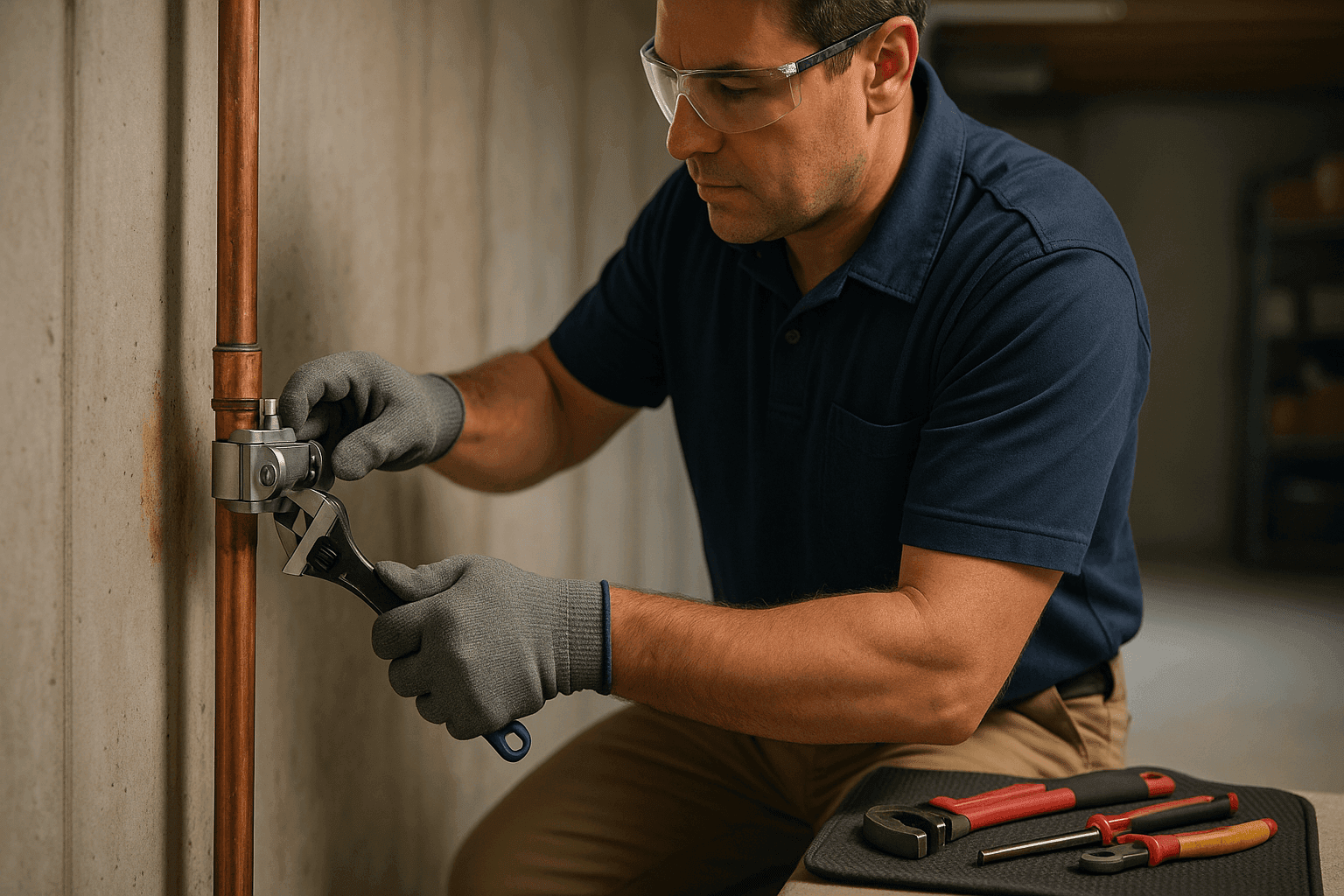
Are you staring at a dripping pipe under the sink or a spreading ceiling stain? It’s unsettling. Water moves fast and doesn’t wait for a convenient moment. Decisions have to be made—right now. At Hynes Plumbing, we know how that stress feels. We’ve seen it in countless homes, day and night.
Pipes are the silent veins of your house. When they break, it’s never just water at stake. It’s comfort, safety, and peace of mind. So, what’s your best move—grab a wrench or call for emergency plumbing? Let’s break it down.
Types of Pipe Damage 🚨
Not all leaks and cracks are created equal. The kind of pipe damage you’re facing shapes the smartest fix. Here are the most common culprits:
- Pinholes: Tiny, almost invisible leaks. Usually from corrosion or water quality issues.
- Cracks: Can be hairline or wide open. Often from freezing or impact.
- Joint Leaks: Where two pipes meet and the connection fails.
- Burst Pipes: A true plumbing nightmare. Usually after a freeze or major pressure surge.
- Corrosion: The slow eater. Rust, mineral buildup, or chemical reactions can thin pipes until they give way.
Real-World Example
A family in a 1980s home called us after their upstairs bath started leaking through the kitchen ceiling. The culprit? A hairline crack in a copper pipe—barely visible, but enough to soak insulation and drywall. Fast action stopped further damage, but a temporary patch wasn’t enough for the long term.
Temporary DIY Fixes
Sometimes, you need a bandage before the doctor arrives. DIY pipe repair can halt water long enough for help to come. But it’s just that—a bandage, not a cure.
Common DIY Methods
- Pipe clamps and rubber patches: Good for pinhole leaks and small cracks. Wrap rubber around the pipe and tighten a clamp.
- Epoxy putty: Moldable, waterproof, and hardens fast. Best for small leaks on metal or PVC.
- Pipe repair tape: Self-fusing silicone tape wraps tightly around leaks. Handy for emergencies.
Safety Warning:
Before you touch a leaking pipe, shut off the main water supply. If there are electrical wires nearby, turn off the power. Slipping on wet floors or getting zapped isn’t worth the risk.
Quick Safety Checklist
- Turn off the main water valve.
- Dry the area before starting repairs.
- Wear gloves and eye protection.
- Keep kids and pets away.
- Avoid using open flames or torches near gas lines.
Permanent Repairs by Pros
DIY fixes can hold back a leak for a few hours or days. But for real, lasting solutions, professional plumbers bring tools, skills, and experience no hardware store kit can match.
What Hynes Plumbing Does
- Leak Detection: We use infrared cameras and moisture meters to pinpoint hidden leaks.
- Pipe Replacement: Remove damaged sections, match pipe material, and install new lengths with proper fittings.
- Joint Re-soldering: For copper, we re-sweat joints to restore factory-tight seals.
- Pressure Testing: Ensure the repair holds, with no drips or weak spots.
- Code Compliance: All work is done to local and national plumbing codes, following guidelines from the International Association of Plumbing and Mechanical Officials (IAPMO).
Case Example
A homeowner tried to fix a leaking PVC elbow under the kitchen sink with tape. It held for a day—then burst, flooding the cabinet. Our team replaced the joint, checked for further stress cracks, and resecured everything. No more leaks, and the kitchen is safe from water damage.
Material-Specific Tips (Copper, PEX, PVC) 🛠️
Different pipes need different care. Here are some smart do’s and don’ts for each type:
Copper Pipes
- Do: Use emery cloth to clean the surface before soldering.
- Don’t: Use steel clamps directly on copper—they can cause galvanic corrosion.
- Tip: If you see blue-green stains, that’s a sign of corrosion.
PEX Pipes
- Do: Use the right crimp rings and PEX tools for connections.
- Don’t: Expose PEX to direct sunlight—it weakens the plastic.
- Tip: Freeze breaks are less common, but joints can pop if not installed correctly.
PVC Pipes
- Do: Use primer before applying solvent cement for joints.
- Don’t: Overtighten metal fittings into PVC; it can crack.
- Tip: If the pipe is brittle or discolored, it may be time to replace, not patch.
Signs You Need Professional Help
Not every leak is a DIY job. Here’s when to put down the wrench and call for emergency plumbing:
- Water won’t stop leaking, even with the main valve closed.
- Multiple leaks appear at once (could signal a bigger system failure).
- Discolored water, low pressure, or foul smells come with the leak.
- The leak is near electrical outlets or gas lines.
- You see mold, bulging walls, or damaged flooring.
If you’re not sure, it’s always safer to ask.
Safety Warnings for Homeowners ⚠️
Water and electricity are a dangerous combo. If you spot any of these, leave the area and call a professional:
- Water pooling near your breaker box or outlets.
- Hissing or whistling sounds near gas pipes.
- Strong chemical or sewage odors.
Remember, improper repairs can void insurance or even break local building codes. Always check with your city’s building department or consult resources like the Uniform Plumbing Code.
Emergency Plumbing: What to Expect When the Pros Arrive
When you call Hynes Plumbing for emergency plumbing, here’s what happens next:
- Rapid Response: Our licensed team is on call 24/7, always ready for water heater repair near you or urgent leak repair.
- Assessment: We inspect the damage, using non-invasive tools wherever possible.
- Containment: Stop further water damage—fast.
- Repair or Replacement: Using the correct materials and methods for your pipes.
- Cleanup & Testing: Leave your home safe, dry, and back to normal.
Our technicians carry full insurance and licensing. That means your home—and your plumbing—are protected every step of the way.
Prevention and Maintenance
The best fix for a burst pipe? Never letting it happen in the first place. Here’s how:
- Insulate pipes—especially in cold basements or crawlspaces.
- Annual inspections by a licensed plumber catch small issues early.
- Monitor water pressure. High pressure strains pipes and joints.
- Install water alarms in risk areas like laundry rooms or basements.
Simple habits—like not pouring grease down the sink—can make a big difference.
Costs & Time Factors
Every job is unique, but here’s what you can expect:
- DIY patch: Minutes to an hour. Cost: a few dollars for tape or epoxy.
- Professional repair: 1–3 hours for simple leaks, longer for complex jobs.
- Pipe replacement: Can take several hours to a day, depending on location and access.
Materials also make a difference. Copper is pricier but lasts decades. PEX and PVC are faster to install and budget-friendly, but may not suit every home.
Remember: a quick DIY patch can cost more in the long run if it fails and causes water damage.
When It’s an Emergency
Some situations can’t wait. Here’s what counts as a true emergency:
- Water spraying or flooding inside your home
- Burst pipes in freezing weather
- Sewage backup
- Loss of all water pressure
In these moments, don’t hesitate. Shut off the main water valve and call for help right away.
Frequently Asked Questions
How do I know if my pipe is about to burst?
Look for bulging pipes, frost on exposed sections, strange noises, or sudden drops in water pressure.
Is it safe to use epoxy putty inside drinking water pipes?
Only use products labeled as “potable water safe.” Many hardware store epoxies aren’t meant for drinking water lines.
Can I use the same repair method for copper and PVC pipes?
No. Each needs specific repair materials and techniques. Using the wrong one can cause further leaks or damage.
Local and Seasonal Considerations 🏠
In colder climates, pipe freezes are the main culprit behind bursts. Insulate pipes before winter hits. In older homes, galvanized steel pipes might be nearing the end of their lifespan—watch for rust and frequent leaks.
If you live in an area with hard water, mineral buildup can eat away at pipes from the inside. Consider a water filtration system as a long-term fix.
When a pipe bursts, every minute matters. Whether you need a quick fix or a complete overhaul, Hynes Plumbing is here for you—24/7, fully licensed and insured. Don’t wait for a small leak to become a big headache.
Call Hynes Plumbing now — or reach us anytime at 888-426-1013 .