How to Increase Water Pressure in Your Home
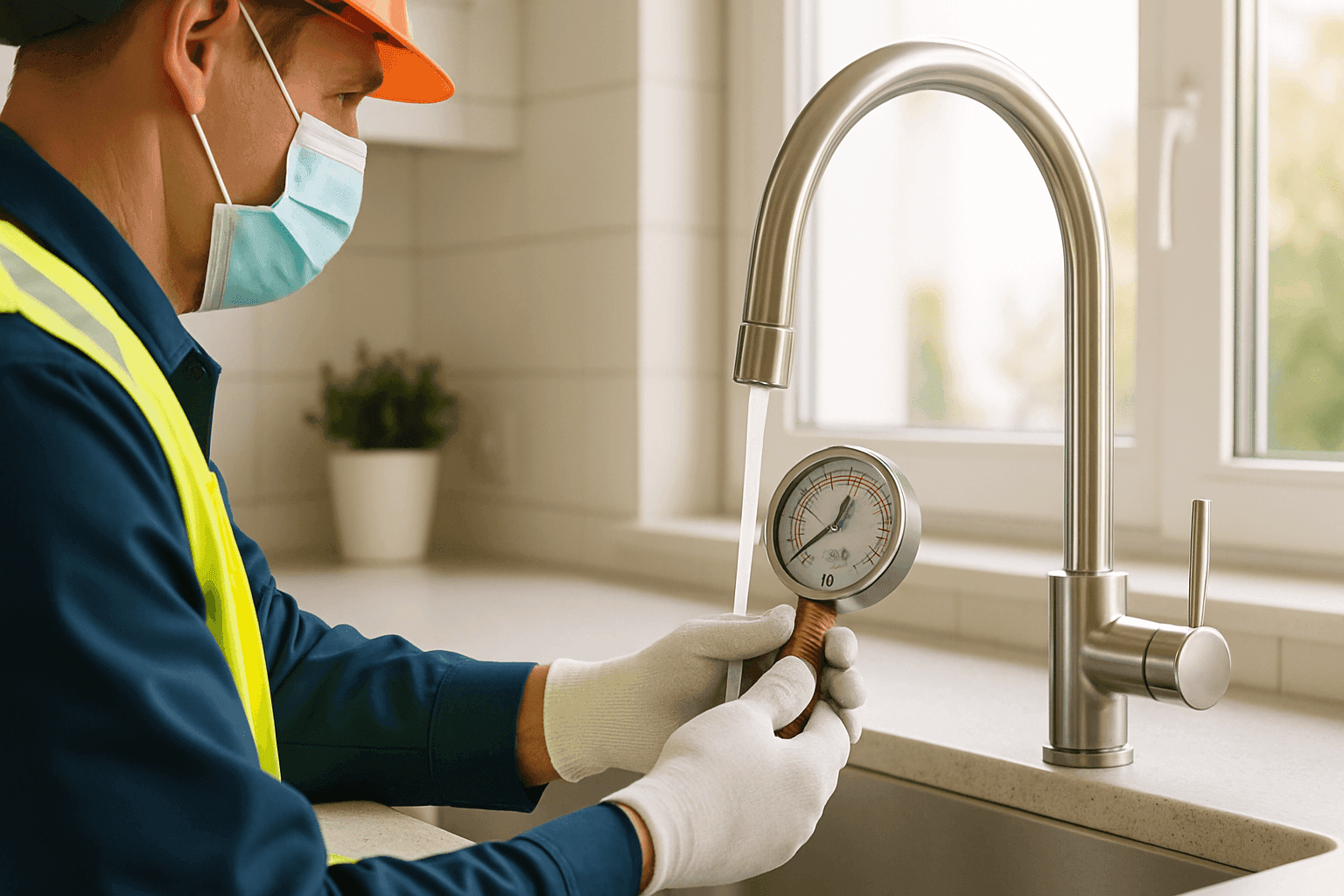
Does the shower turn into a slow drizzle every morning? Maybe your kitchen tap can barely rinse off breakfast plates. If you’re dealing with weak water flow, you’re not alone. Low water pressure isn’t just annoying—it can signal bigger plumbing issues waiting to bubble up. At Hynes Plumbing, we know how a simple fix can quickly save you from a full-blown emergency plumbing call. Let’s break down what’s really happening, what you can check right now, and when it’s time to bring in a pro.
Why Is My Water Pressure So Low?
Picture your plumbing like a set of busy city streets. Water needs a clear path to every faucet, shower, and appliance. Sometimes, a “traffic jam” blocks the way. Here are the most common reasons water pressure drops in homes:
- Clogged pipes: Mineral buildup or debris can narrow pipes and slow the flow.
- Partially closed valves: The main shutoff or water meter valve might not be fully open.
- Pressure regulator issues: If your home has a pressure reducing valve (PRV), it can slip out of calibration.
- Hidden leaks: Even a small leak means water escapes before it reaches the tap.
- Old or corroded plumbing: Pipes wear out, rust, and get rough inside—like potholes for water.
- Municipal supply problems: Sometimes, the issue runs deeper—literally—coming from the city’s side.
Knowing what causes low water pressure helps you spot what’s normal and what needs action.
Homeowner’s Quick Safety Checklist 📝
Before you grab a wrench or call for emergency plumbing, run through these safe, simple checks:
- Check all faucets: Is the problem everywhere, or just one spot?
- Look for visible leaks: Puddles under sinks, dripping pipes, or damp walls need attention.
- Test the main shutoff valve: Make sure it’s fully open (usually in the basement or outside).
- Inspect faucet aerators: Unscrew and rinse out debris.
- Flush toilets and run showers: Note if pressure dips when multiple fixtures run.
- Listen for hissing or running water: This could mean a hidden leak.
Never open up sealed plumbing, gas lines, or electrical connections yourself. If you smell gas, turn off your main supply and call for help immediately. The National Fire Protection Association (NFPA) recommends treating all gas smells as urgent.
DIY Fixes vs. When to Call a Pro
Some water pressure issues are like a flat tire—annoying but fixable. Others are more like engine trouble under the hood. Here’s what you can try, and when to step back:
Try These DIY Steps
- Clean faucet aerators and showerheads: Mineral deposits clog small screens. Soak them in vinegar overnight.
- Check accessible valves: Main or meter valves might have been bumped during repairs.
- Test water pressure: Pick up a simple gauge at a hardware store. Normal home pressure is usually 40–60 psi.
- Replace old hoses: In laundry rooms or under sinks, cheap hoses can collapse or kink.
Call a Pro When…
- Multiple fixtures are affected: If the whole house is weak, it’s rarely a simple fix.
- You spot leaks or water stains: Hidden leaks can cause serious structural damage.
- Water dribbles even with valves open: This suggests deeper clogs, broken pipes, or pressure regulator failure.
- There’s a sudden drop in pressure: Urgent changes can mean a burst line or main supply issue.
Hynes Plumbing responds fast—day or night—so you don’t have to risk bigger problems.
What Plumbing Pros Do When They Arrive
Ever wondered what really happens when a plumber shows up for a water pressure problem? Here’s the process:
- Full inspection: We check main valves, pressure regulators, and visible pipes.
- Pressure testing: Using calibrated gauges, we measure your system’s pressure at several points.
- Leak detection: Advanced tools (sometimes acoustic or thermal) pinpoint leaks behind walls or underground.
- Pipe assessment: For older homes, we may recommend a camera inspection of sewer lines and main pipes.
- Targeted repairs: From unclogging a single pipe to replacing faulty PRVs or corroded sections, we solve the root issue.
- Clear communication: We explain what’s going on in plain language and outline your options.
Our team follows local plumbing codes and safety guidelines, like those from the International Plumbing Code (IPC) and the American Water Works Association (AWWA).
Preventative Maintenance for Strong Water Pressure
Think of plumbing care like keeping your car running smoothly. A little effort now can prevent breakdowns later:
- Annual plumbing inspections: Catch small leaks or corrosion early.
- Regular cleaning: Keep aerators and showerheads free of mineral buildup.
- Install water softeners or filtration: Hard water can speed up pipe clogs and wear.
- Monitor appliances: Dishwashers, washing machines, and water heaters need occasional checkups.
- Fix leaks promptly: Even a dripping tap wastes water—and money.
Most home insurance policies expect you to handle routine maintenance, so don’t skip these simple steps.
How Much Does It Cost? How Long Will It Take?
Every home is different, but here’s a sense of what to expect:
- Simple DIY fixes: Cleaning an aerator or opening a valve takes minutes and costs almost nothing.
- Professional diagnosis: Most inspections and pressure tests can be done in under an hour.
- Minor repairs: Replacing a valve or unclogging a pipe may take 1–2 hours.
- Major work: Repiping, main line repair, or water heater replacement can stretch over several days.
- Costs: Range from a small service fee for an inspection to higher costs for major pipe or sewer work. Plumbing codes and parts availability can affect pricing.
Remember, small fixes now often prevent high bills (and headaches) later.
When Low Water Pressure Is an Emergency 🚨
Not all pressure problems can wait:
- Sudden, total loss of water: This can mean a burst pipe or main supply break.
- Water pooling in your home: Unchecked leaks can damage floors, walls, and foundations.
- Water heater issues: If you notice strange noises, leaks, or no hot water, call for water heater repair near you.
- Gas smells: Always treat this as urgent. Leave the area and call emergency services.
If your gut says it can’t wait, you’re probably right. Hynes Plumbing specializes in emergency plumbing—24/7.
Frequently Asked Questions
Why did my water pressure drop suddenly?
A sudden pressure dip could be caused by a burst pipe, a water main break, or a stuck valve. If you hear rushing water or see pooling, shut off your main valve and call for help.
Can old pipes cause low pressure?
Definitely. As pipes age, minerals and rust collect inside, shrinking the space water can flow through. Repiping or pipe repair might be needed in older homes.
Is low water pressure dangerous?
Low pressure itself isn’t dangerous, but it often signals leaks, corrosion, or other issues that can lead to property damage or, rarely, contaminated water. Always investigate persistent changes.
Will installing a booster pump help?
Sometimes. But it’s important to find the root cause first. Otherwise, a booster pump might just push water through a clogged or leaky system, making things worse.
Local & Seasonal Considerations
- Cold winters: Pipes can freeze and crack, causing sudden drops in pressure. Insulate exposed pipes before winter hits.
- Heavy rain or flooding: Ground movement can shift or break underground lines. Watch for pressure changes after storms.
- Renovations: Nearby construction or city repairs can temporarily affect your water flow.
- Water quality: Hard water is common in many areas and can clog pipes faster. Consider a water filtration system if buildup is frequent.
For seasonal maintenance, always follow local plumbing codes and building regulations.
Got water pressure problems? Don’t let a trickle turn into a flood. Call Hynes Plumbing now — or reach us anytime at 888-426-1013 .