How to Unclog a Toilet: Step-by-Step Homeowner Guide
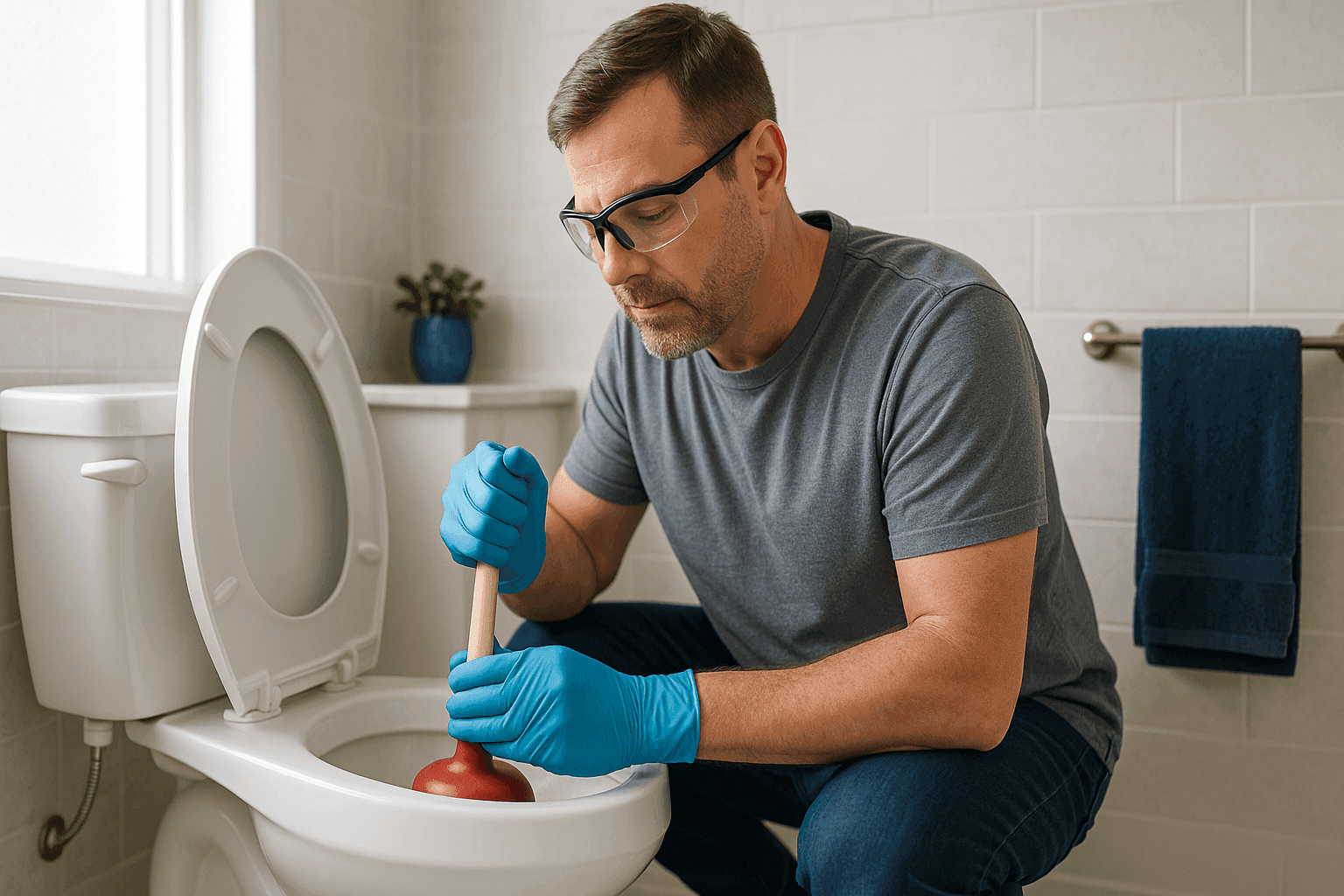
Ever rush into the bathroom only to find the water rising—fast? It’s one of those heart-thumping moments no homeowner wants. But you’re not alone. At Hynes Plumbing, we’ve seen every kind of clog. We know just how stressful and urgent it can feel.
You don’t need fancy tools or harsh chemicals to handle most toilet clogs. With a little knowledge (and the right plunger), you’ll be back on track in no time. Let’s walk you through it—step by step.
Common Causes of Toilet Clogs 🚽
Clogs happen for all sorts of reasons. Some are simple. Some not so much. Here’s what trips up most households:
- Flushing too much toilet paper: Even “flushable” wipes can tangle and block pipes.
- Non-flushable items: Toys, hygiene products, paper towels—your toilet’s not a trash can.
- Low-flow toilets: Older models or those with weak flush power can struggle to clear waste.
- Hard water or mineral buildup: Over time, minerals can narrow pipes.
- Recurring plumbing issues: Sometimes it’s not the toilet, but the pipes below.
Sometimes, a clog is a one-time thing. But if your toilet clogs again and again, it might be a sign of bigger trouble—like a hidden pipe problem or early warning of a sewer line issue.
Essential Tools You’ll Need 🧰
Don’t panic. Most clogs can be cleared with basic tools you already have at home. Here’s what you’ll need:
- Plunger: A flange (toilet) plunger works best. The cup should fit snugly over the drain.
- Gloves: Rubber gloves keep things sanitary and safe.
- Old towels or rags: For spills and splashes.
- Bucket: To scoop out excess water if the bowl is full.
- Toilet auger (closet auger): For stubborn clogs deeper in the drain.
Safety note:
Skip the chemical drain cleaners. They can damage porcelain and pipes, and release harmful fumes. The Environmental Protection Agency (EPA) and American National Standards Institute (ANSI) recommend mechanical removal (like plunging or snaking) as the safest method.
How to Use a Plunger Effectively
A plunger is your first line of defense. But there’s a right way—and a wrong way—to use it. Here’s how to get the most out of every plunge:

- Position the plunger:
Place the flange into the drain opening. The rubber cup should form a tight seal. - Plunge with force:
Push down gently first to force out air. Then use firm, even thrusts—about 10 to 15 times. - Check the results:
If the water drains, you’re in luck. If not, repeat or try an auger. - Flush with care:
Only flush once you’re sure the clog is gone. If water rises again, stop—don’t risk an overflow.
Pro tip:
If plunging doesn’t work after two or three rounds, it’s time to try a different method.
When to Try an Auger 🌀
Some clogs are stubborn. If plunging doesn’t do the trick, reach for a toilet auger—also called a closet auger.

- Insert the auger:
Carefully feed the flexible end into the toilet’s drain, turning the handle clockwise. - Break up the blockage:
When you feel resistance, crank gently to break up or snag the clog. - Retract and clean:
Pull the auger out slowly, keeping a towel handy. - Test with a flush:
Water should drain freely. If not—don’t force it.
Safety note:
Don’t use excessive force. Augers can scratch porcelain or damage pipes if used too aggressively.
What Not to Flush
Think of your toilet like a narrow river. Only certain things are meant to flow downstream:
- Toilet paper (in modest amounts)
- Human waste
Never flush:
- Wipes (even “flushable” ones)
- Paper towels or napkins
- Feminine hygiene products
- Dental floss, hair, cotton balls, or swabs
- Diapers or baby wipes
- Cat litter or pet waste
- Plastic, wrappers, or trash
If you wouldn’t drink it (or flush it down your kitchen sink), it doesn’t belong in your toilet.
Troubleshooting Recurring Clogs
If you’re reaching for the plunger week after week—pause. Something deeper may be wrong.
- Check for slow drains elsewhere:
If sinks or tubs are also sluggish, it could signal a mainline problem. - Older homes:
Pipes may be corroded or narrowed by mineral deposits. - Tree roots:
Roots can invade and block sewer lines (common in older neighborhoods). - Improperly vented plumbing:
Poor airflow can slow drainage and lead to more clogs.
When in doubt:
If the problem keeps coming back, it’s time to call in emergency plumbing help. Persistent clogs could mean a hidden leak, a broken pipe, or a sewer line backup—none of which are safe to ignore.
When DIY Ends—And You Need a Pro
You’ve tried the plunger. You’ve tried the auger. Still clogged? If you notice any of these, call Hynes Plumbing:
- Water rising dangerously close to the rim (risk of overflow)
- Sewage backing up in other drains (bathtub, shower, or sink)
- Foul odors coming from the toilet or nearby drains
- Gurgling noises or bubbling in the bowl
- Recurring clogs that don’t resolve
Emergency plumbing teams have specialized equipment—like high-powered augers and inspection cameras—to tackle even the toughest blockages safely. We can also spot early warning signs of bigger issues, like water heater repair near you, before they spiral out of control.
Preventative Tips to Keep Toilets Flowing
A little care goes a long way. Here’s how to avoid future clogs:
- Remind family (and guests) what not to flush.
- Use less toilet paper per flush.
- Regularly inspect for leaks or slow drainage.
- Schedule routine plumbing maintenance.
- Install childproof locks if small kids are in the house.
Safety note:
Always use mechanical methods—not chemicals—when clearing basic clogs. For long-term pipe health, the National Association of Home Builders (NAHB) recommends periodic professional inspections.
FAQ: Unclogging Toilets at Home
Q: How do I stop my toilet from overflowing immediately?
A: Remove the tank lid and quickly push the flapper closed. This stops more water from entering the bowl.
Q: Is it safe to use hot water and dish soap?
A: Warm (not boiling) water and a squirt of dish soap can help dissolve simple clogs, but don’t use boiling water—it can crack porcelain.
Q: How can I tell if the clog is in the toilet or the main line?
A: If multiple drains are backing up, the problem is likely in the main drain or sewer line.
Q: Are chemical drain cleaners safe?
A: No. Avoid them—they can damage your toilet and pipes, and are hazardous to handle.
Local & Seasonal Considerations
Every region has its quirks. In cold climates, pipes are more prone to freezing—leading to blockages and burst pipes. In older homes, clay or cast-iron pipes may be more vulnerable to tree root invasion. If you’re in an area with hard water, mineral buildup can slowly restrict toilet flow over time.
If you’re dealing with unusual odors, slow drains, or frequent backups, it’s worth getting a professional inspection—especially after storms or heavy rain, when sewer lines can be stressed.
Plumbing emergencies never wait for a good time. If your toilet won’t budge, or you’re facing an urgent backup, don’t risk your home or health.
Call Hynes Plumbing now — or reach us anytime at 888-426-1013 .