Gas Safety Checks: Why Annual Inspections Matter
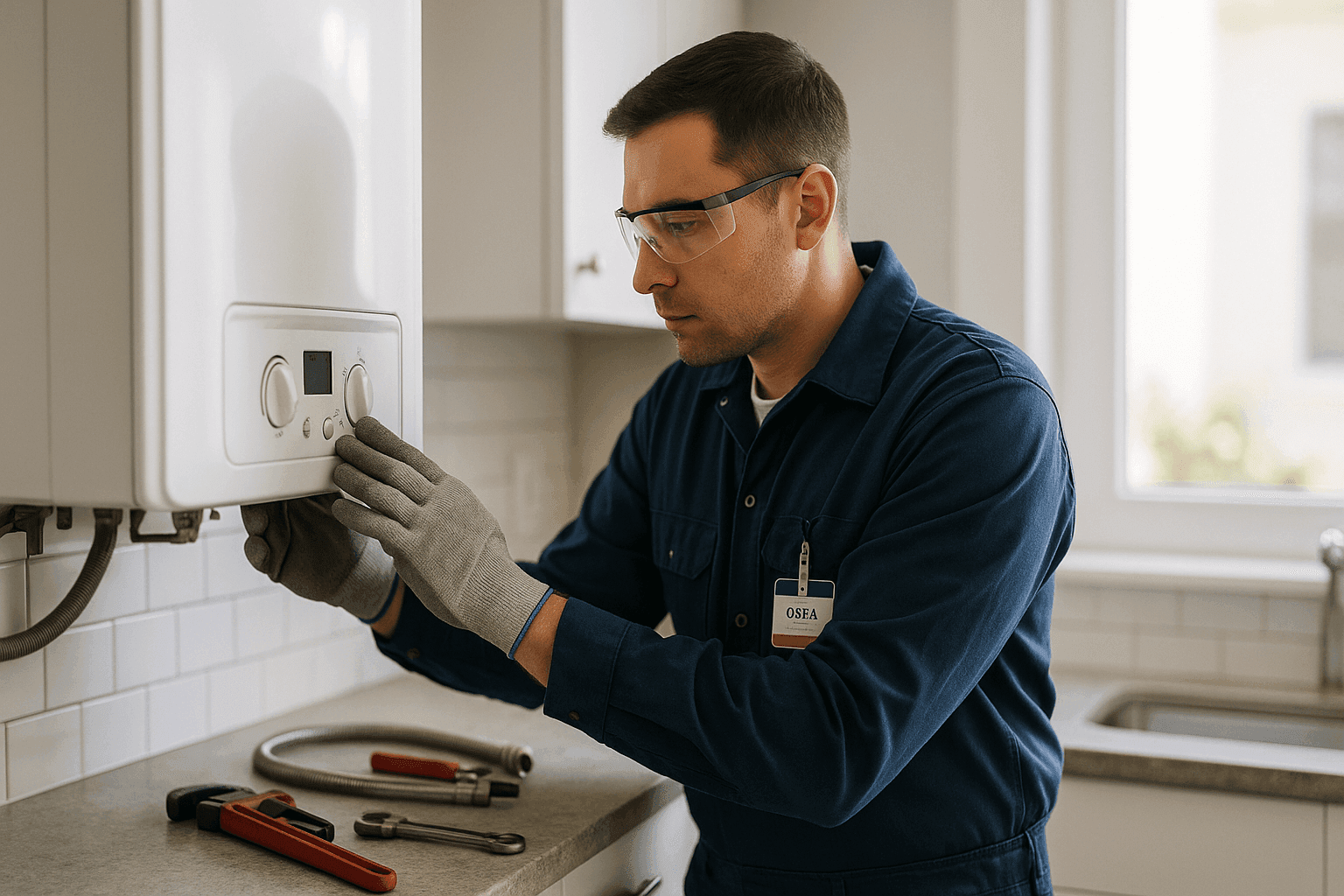
Every home with gas lines has a hidden heartbeat. It powers your water heater, keeps showers warm, and makes winter nights bearable. But gas—like any powerful tool—demands respect. A tiny leak, a blocked vent, or a loose connection could spell disaster.
At Hynes Plumbing, we know that gas safety isn’t just a checkbox. It’s peace of mind for you and your family. It’s why we put the same care into inspections as we do into emergency plumbing calls. Because when lives are at stake, shortcuts aren’t an option.
What is a Gas Safety Check? 🔎
Think of a gas safety check as a yearly health exam for your home’s gas system. Just as you’d schedule a doctor’s visit to catch potential problems early, regular inspections help ensure everything is running smoothly—before a small issue becomes a crisis.
A certified technician examines every gas appliance and connection in your home. They look for leaks, test pressure, and make sure all components meet safety standards. It’s not about fear. It’s about prevention.
Why Homeowners Need Annual Gas Checks
- Gas leaks are often silent—no smell, no noise, just risk.
- Carbon monoxide can build up without warning.
- Insurance and home warranties may require regular checks.
- Local building codes (refer to the National Fuel Gas Code, NFPA 54) set safety expectations for all gas systems.
What Inspectors Look For
A trained inspector’s eyes are sharp. Here’s what they scan for during a typical visit:
- Visible Signs of Wear: Corrosion, rust, or cracks on pipes and fittings.
- Appliance Condition: Burn marks, strange odors, or yellow flames on stoves and heaters.
- Gas Leaks: Using calibrated detectors and soapy water on connections.
- Ventilation: Proper airflow for water heaters, boilers, and furnaces.
- Pressure Testing: Ensuring pipes and regulators hold safe pressure.
- Regulatory Compliance: Confirming installation meets the latest codes.
Home Gas Safety Inspection Checklist
- [ ] All gas appliances are properly vented.
- [ ] No unusual smells or hissing noises near gas lines.
- [ ] Shut-off valves are accessible and functional.
- [ ] Carbon monoxide detectors are installed and tested.
- [ ] Appliance pilot lights burn blue, not yellow.
- [ ] Flexible connectors show no signs of kinks or damage.
How the Process Works
Getting a gas safety check from Hynes Plumbing is straightforward. We believe in transparency, not surprises.
- Schedule: Set a convenient time—morning, evening, or even weekends.
- Arrival & Greeting: Our certified technician arrives, ID badge visible.
- Walkthrough: You show us where your gas appliances and meters are.
- Inspection: We methodically test, inspect, and document every component.
- Explanation: If we find a concern, you get a clear, simple explanation.
- Report: You receive a written summary with recommendations, if needed.
The whole process usually takes 60–90 minutes. No mess left behind.
Real-World Testimonial
“Hynes Plumbing found a tiny leak behind our water heater during our annual check. We’d never have known. They fixed it on the spot. Now I sleep better at night.”
— Linda S., homeowner
Benefits of Regular Inspections 🛡️
Neglecting gas safety is like ignoring a rattling noise under your car’s hood. The risk only grows.
Why Annual Checks Matter
- Protect Your Family: Early detection of leaks or carbon monoxide keeps everyone safe.
- Save Money: Small repairs cost less than emergency plumbing or appliance replacement.
- Reduce Emergencies: Preventative care means fewer urgent late-night calls.
- Boost Efficiency: Well-maintained systems use less gas, saving on bills.
- Keep Warranties Valid: Many manufacturers require yearly checks for water heater repair or boiler coverage.
Proof of Professionalism
All Hynes Plumbing technicians carry updated certifications and follow the latest safety standards from the Gas Safe Register and the National Fuel Gas Code (NFPA 54). We’re proud of our spotless safety record—no reported incidents in over a decade.
Legal and Warranty Requirements
You might be surprised: Many local laws require annual gas safety checks, especially if you rent out your home. According to the U.S. Department of Housing and Urban Development, landlords must provide proof of inspection. Homeowners may also need records for insurance claims.
- Warranties: Major appliance manufacturers (Rheem, Bradford White) often need proof of inspection for repairs or replacement.
- Local Codes: Some regions require gas line inspections during property sales or remodels.
- Insurance: A missed inspection can mean denied claims in case of a gas-related event.
Quick Safety Checklist ✔️
- Know where your gas shutoff valve is located.
- Check for the rotten egg smell—classic sign of a leak.
- Keep vents and flues clear of dust and debris.
- Test carbon monoxide detectors twice a year.
- Never block gas appliances with storage or clutter.
If something feels off, don’t wait. Emergency plumbing services are just a call away.
DIY vs. Call a Pro
Some things you can do yourself, like keeping vents clear or checking for obvious damage. But most gas issues hide behind walls or inside appliances.
When to DIY
- Testing your carbon monoxide alarm
- Keeping vents unblocked
- Noticing unusual smells or sounds
When to Call Hynes Plumbing
- Smell gas? Leave your home and call immediately.
- Suspect a leak but can’t find the source.
- Appliance pilot lights won’t stay lit.
- You see visible damage to any gas line.
Remember, gas doesn’t forgive mistakes. When in doubt, bring in a professional.
What Inspectors Do On Arrival 🧑🔧
Our work begins before we even ring your bell. Prep starts with reviewing your home’s history and any prior repairs.
Onsite Steps:
- Visual scan of all gas appliances.
- Test each connection with leak-detecting tools.
- Verify pilot lights and burners.
- Inspect appliance vents for blockages.
- Check pressure at meter and appliances.
- Log every step for your records.
We’re friendly, but thorough—like detectives determined to rule out every risk.
Prevention & Maintenance
The best way to avoid emergencies? Regular maintenance and a few mindful habits.
- Schedule annual gas safety checks.
- Replace flexible gas connectors every 5–7 years.
- Don’t ignore changes in appliance performance.
- Keep combustibles away from appliances.
- Have a pro inspect after any home renovation.
Following these steps is like wearing a seatbelt—simple, but life-saving.
Costs & Time Factors
How much does a gas safety check cost? It varies by appliance count and home size. Typically, you’ll spend less than an unexpected emergency plumbing call or a major repair.
- Time: Most homes take 60–90 minutes.
- Cost Factors: Number of appliances, age of system, access to gas lines.
- Worth: One inspection could prevent thousands in damages—or worse.
When It’s an Emergency 🚨
Gas emergencies don’t wait for business hours. Here’s when to act—fast:
- Strong gas odor (rotten egg smell)
- Hissing sounds near appliances or pipes
- Signs of carbon monoxide (headache, dizziness, nausea)
- Appliances that flicker or burn yellow flames
Leave your home. Call emergency services. Then contact Hynes Plumbing for rapid emergency plumbing help.
FAQ
Q: How often should I schedule a gas safety check?
A: At least once a year, or after any major home project.
Q: Are gas checks required by law?
A: In many regions, yes—especially for rentals. Check your local building code or ask us.
Q: My appliances seem fine. Do I really need this?
A: Problems may be hidden—early detection is the safest choice.
Q: What should I do if I smell gas?
A: Leave immediately. Don’t switch lights or electronics on/off. Call emergency services, then call Hynes Plumbing.
Local/Seasonal Considerations
Winter puts extra strain on your gas system. Heaters and boilers run longer. Vents can get blocked with snow or leaves. After storms or renovations, always check your system.
In older homes, flexible gas connectors and valves may not meet current codes. If you just bought an older house, schedule a full inspection.
Building Trust, One Home at a Time
We know you want to keep your family safe and your home running smoothly. With certified technicians, a spotless safety record, and a commitment to thoroughness, Hynes Plumbing is here for every season—whether you need Water Heater Repair near you or a same-day emergency plumbing visit.
Call Hynes Plumbing now — or reach us anytime at 888-426-1013 .