Gas Leak Safety: What Every Homeowner Needs to Know
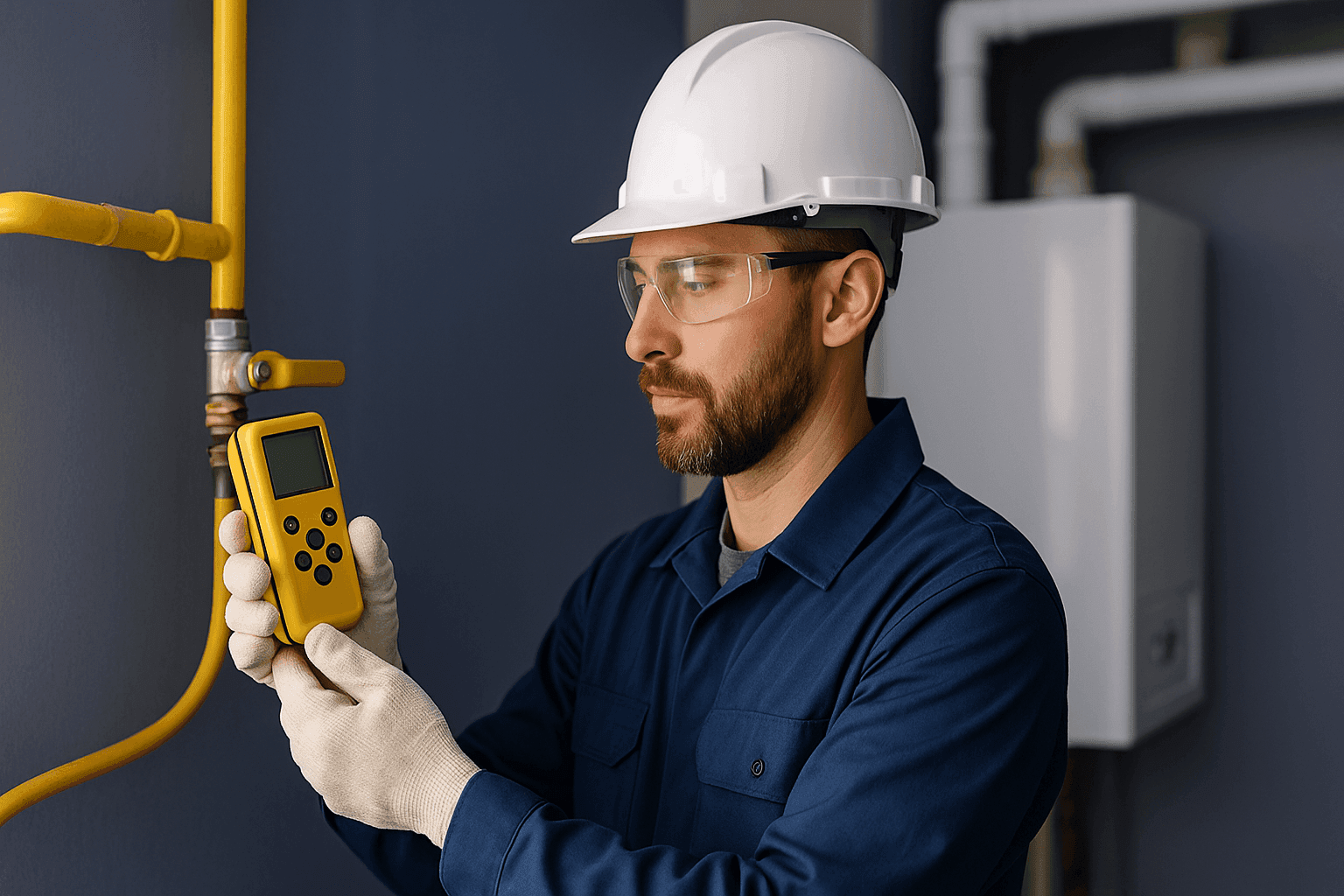
Gas leaks don’t wait for a convenient time. They sneak up on homeowners—sometimes when you’re making breakfast or relaxing after a long day. The stakes? Sky high. Gas leaks threaten your safety, your home, and everything you care about.
At Hynes Plumbing, we know the stress and confusion a sudden gas leak brings. Our licensed team handles emergency plumbing calls every day. We’re here, ready to guide you through what to do—and what not to do—if you ever suspect a leak.
Recognizing a Gas Leak: Warning Signs You Should Never Ignore ⚠️
Gas leaks aren’t always loud or obvious. Sometimes, they whisper.
The Smell Test
- Natural gas is odorless, but utility providers add mercaptan—a chemical that smells like rotten eggs or sulfur.
- If you catch a whiff that makes you wrinkle your nose, don’t brush it off.
Sights and Sounds
- Hissing or whistling near pipes or appliances.
- Dead or discolored vegetation outside, especially near the foundation.
- Bubbles in puddles or dirt above underground lines.
- Unusual fog or mist near the ground.
Physical Symptoms
- Headaches, dizziness, nausea.
- Fatigue or confusion.
- Breathing difficulty.
If your pets act strangely or seem listless, take note. They’re often the first to notice trouble.
Immediate Safety Steps: What To Do If You Suspect a Gas Leak
When you think you smell gas, time matters. Don’t wait for confirmation—act.
- Leave the house immediately. Don’t grab valuables or search for the leak.
- Don’t use switches or electronics. Even flipping a light can trigger a spark.
- Avoid phones until you’re outside. Use a neighbor’s phone if possible.
- Leave doors and windows open. This helps gas escape.
- Call 911 and your gas utility’s emergency number. Report the leak from a safe location.
- Keep others away from the area.
Emergency numbers to know:
- 911 for immediate danger.
- Your local gas utility—keep their number posted near your exit.
How to Shut Off Gas Safely (If You’re Trained and It’s Safe) 🔧
Only attempt this if you know how and the area is clear of gas fumes.
- Locate the main gas shutoff. Usually found where the gas line enters your home.
- Use a wrench to turn the valve a quarter turn—so it’s perpendicular to the pipe.
- Don’t try to turn it back on yourself. Only a licensed plumber or utility technician should restore service.
If you’re unsure, skip this step. Your safety comes first.
Preventing Future Leaks: Habits That Make a Difference
A stitch in time saves nine. Regular attention keeps trouble away.
- Schedule annual gas safety checks with a certified plumber.
- Install carbon monoxide and combustible gas detectors.
- Check appliance connectors: Flexible lines can degrade over time.
- Don’t store chemicals or flammable items near gas appliances.
When in doubt, ask your plumber about your home’s specific risk factors.
Importance of Regular Gas Safety Checks 🛠️
Think of gas safety like changing your car’s oil—routine, but crucial.
- Licensed plumbing professionals detect minor leaks before they get dangerous.
- Certified inspections meet local and national safety codes (like the International Fuel Gas Code or your state’s regulations).
- Documentation from a licensed plumber protects your insurance and resale value.
At Hynes Plumbing, all our technicians are state-licensed and carry up-to-date certifications for gas line work. We’re proud to show you our credentials—just ask when we arrive.
Red-Flag Scenarios: When to Call for Emergency Plumbing
Don’t wait if you notice any of the following:
- Persistent gas odor inside or outside.
- Physical symptoms (see above) that fade when you leave home.
- Appliances with yellow flames instead of blue.
- Unexplained spikes in your gas bill.
If you’re searching for “emergency plumbing near me” or “gas leak repair near you,” don’t hesitate. Seconds count.
Real Voices: Homeowner Testimonials
“When we smelled gas in the basement, Hynes Plumbing answered at 11 PM. The tech was calm, explained everything, and fixed the leak fast. We felt safe again before midnight.”
— Sarah L., homeowner
“You never expect a leak, but when it happened, I’m glad I called Hynes. The plumber showed his license right away and walked us through every step.”
— Jamal O., family of four
Professional Credentials & Regional Code Differences
Gas safety codes vary by state and city. In colder climates, rules for venting and pipe insulation are stricter. Earthquake-prone regions may require seismic shutoff valves. Always hire a plumber who’s licensed in your area and up-to-date on local requirements.
Hynes Plumbing stays current on state and city codes, from the International Residential Code (IRC) to local amendments. Ask to see our credentials—we’ll show you our state license and certifications before any work begins.
FAQ: Common Gas Leak Questions
1. Can I fix a small gas leak myself?
No. Gas work requires special training and certification. DIY fixes are illegal and dangerous.
2. How often should I have my gas lines checked?
Most safety authorities recommend annual checks, or after any major storm, renovation, or appliance change.
3. What if I rent my home?
Report any suspected leaks to your landlord immediately. Tenants have a right to a safe living environment.
4. Why do I need a plumber for gas leaks?
Plumbers are licensed and trained to work on both water and gas lines. Only certified professionals should handle gas repairs.
Local & Seasonal Considerations 🌦️
- Winter: Extra heating puts more stress on gas lines and appliances. Ice can shift underground pipes.
- Spring/Fall: Outdoor projects, like digging or landscaping, risk hitting buried lines. Always call 811 before you dig.
- Older homes: Pipes and connectors may be out of date or not up to current codes.
Whether you’re searching “Water Heater Repair near you” or need a pro for gas line installation, always choose a licensed team familiar with your region’s safety rules.
Gas leaks don’t wait. Neither should you. If you smell gas or suspect a leak, get out and call right away. For fast, certified help with gas leaks, water heater repair, or any emergency plumbing, reach out to Hynes Plumbing.
Call Hynes Plumbing now — or reach us anytime at 888-426-1013 .