Fixture Installation: What Homeowners Need to Know Before Upgrading
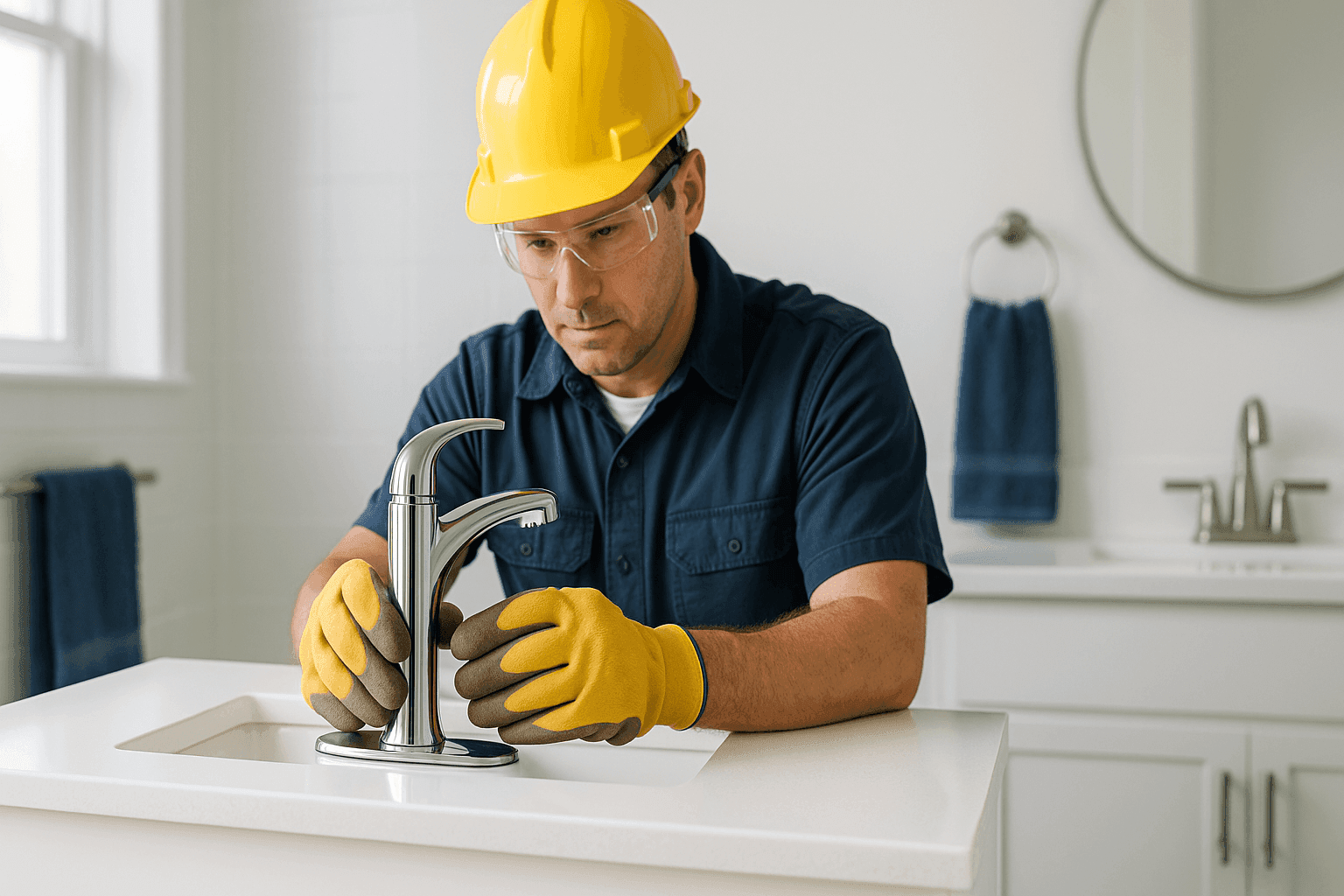
Thinking about swapping out that old kitchen faucet or giving your bathroom a fresh look? You’re not alone. Upgrading fixtures is one of the quickest ways to boost comfort, value, and efficiency in your home. But—a smooth, stress-free installation takes a bit more than just picking a shiny new tap.
At Hynes Plumbing, we know that every project, big or small, matters. Whether you need emergency plumbing or just want a modern update, we’re here to help you make sense of the process and avoid the common headaches many homeowners face.
Choosing the Right Fixtures 🚿
The choices can feel endless. Chrome, brushed nickel, touchless, high-efficiency—each option has its perks, but not every fixture is right for every home.
- Function: Do you need a water-saving model? Low-flow fixtures can cut utility bills and help the environment.
- Style: Match your new fixture to your home’s vibe. Modern, classic, industrial—pick what suits your taste.
- Compatibility: Not every fixture fits every sink or plumbing setup. Double-check measurements and connections.
- Brand Trust: We work with durable, reputable brands like Moen, Kohler, Delta, and American Standard—so you get fixtures that last.
Pro Tip: Some fixtures offer ADA compliance or antibacterial finishes. It’s worth asking about these features, especially for accessibility and hygiene.
Preparation Steps
Before you break out the wrench, a little prep goes a long way.
- Shut off the water supply. Find the nearest valve and close it tightly.
- Clear the area. Remove items from under sinks or around toilets.
- Gather tools and supplies. You’ll likely need pliers, adjustable wrenches, plumber’s tape, and a bucket for any drips.
- Inspect for surprises. Look for signs of water damage, corrosion, or worn seals. If you spot these, plan for extra time—or professional help.
- Check local codes. The International Plumbing Code and Uniform Plumbing Code set rules for fixture installation. For example: minimum distances for toilets or required backflow prevention devices.
DIY vs. Professional Installation 🛠️
It’s tempting to tackle fixture installation yourself. Some jobs are a breeze—others, not so much.
Great for DIY:
- Swap out showerheads and simple faucets.
- Replace handles or aerators.
- Install new toilet seats.
Call a Pro When:
- Pipes need rerouting.
- You find leaks, rust, or water pressure issues.
- The fixture connects to gas lines (think water heaters or kitchen stoves).
- Code compliance is unclear.
Professional plumbers like Hynes Plumbing can spot hidden problems, ensure everything meets code, and keep your warranties intact. Plus, if you ever need emergency plumbing, you’ll know who to call.
Common Pitfalls to Avoid
Even the best DIYers hit bumps. Here’s what trips up most homeowners:
- Overtightening connections: This can crack pipes or strip threads.
- Skipping plumber’s tape: Water leaks love bare threads.
- Mismatched parts: Not all hoses, washers, or mounts are universal.
- Forgetting to flush lines: Debris can clog new fixtures immediately.
- Ignoring manufacturer instructions: Every fixture is a little different.
Real Example: One homeowner tried upgrading their kitchen faucet but forgot to double-check the supply line size. The result? A Sunday afternoon trip to the hardware store and a puddle under the sink.
Warranties and Quality Assurance 🏅
Quality installation isn’t just about today—it’s about tomorrow, too.
- Most fixtures come with manufacturer warranties. But these often require professional installation to stay valid.
- Save receipts and manuals. You might need them for warranty claims.
- Hynes Plumbing stands by the brands we install. We’re trained on top models, so your investment is protected.
Remember, proper installation can mean the difference between years of leak-free living or frequent emergency plumbing calls.
Cost and Time Factors
How much will it cost? How long will it take? Here’s what homeowners should expect:
- Simple Faucet/Fixture Swap: 1–2 hours, lower cost.
- Toilet or Sink Replacement: 2–4 hours, moderate cost.
- Complex Install (e.g., water heater or shower system): Half-day or more, higher cost.
- Unexpected issues (corroded pipes, code corrections): Add time and expense.
Materials, fixture brand, and your home’s age all play a role. It’s like comparing a bike tune-up to rebuilding a classic car engine—sometimes the “easy” job turns complex.
Before and After: What to Expect
Visualize the transformation. Before: outdated fixtures, drips, maybe a little rust. After: fresh finishes, smooth operation, no leaks, and—if you’ve upgraded—better water efficiency.

Code Compliance Notes
Plumbing codes aren’t just red tape—they protect your home from leaks, pressure surges, and contamination. For example:
- Backflow prevention is required for many fixtures to keep your water safe.
- Proper venting prevents sewer gases from entering your living space.
- Fixture spacing (like 15” from the toilet center to any wall) ensures accessibility and comfort.
The National Association of Home Builders and your local building department are good references for up-to-date code requirements.
FAQ: Fixture Installation
Q: Do I need a permit to install a new fixture?
A: For most fixture swaps, no permit is needed—but new lines or major changes may require one. Always check local rules.
Q: How do I know if my water pressure is too high for a new fixture?
A: If water blasts out or hammers in the pipes, it’s worth testing. Pressure regulators or a plumber’s checkup can help.
Q: Can I reuse existing supply lines and fittings?
A: Sometimes, but new fixtures often require new parts for a secure fit and warranty compliance.
Q: Why does my new faucet make noise?
A: Air in the lines, debris, or loose parts can cause whistling or banging. Flush the lines and check connections.
Local and Seasonal Considerations 🌡️
Some installations are easier in spring and fall when water lines aren’t at risk of freezing. In older homes, pipes may be brittle or corroded—so plan extra time for inspection.
If you’re in a flood-prone area, consider sump pump checks or backflow prevention with your upgrade. And always have a plan for emergency plumbing—water emergencies don’t wait for business hours.
Closing Thoughts
Fixture installation might seem simple, but the right prep and know-how make all the difference. Whether you’re aiming for style, efficiency, or lasting reliability, Hynes Plumbing is ready with the skills and trusted brands to help. Upgrade with confidence—your home deserves it.
Call Hynes Plumbing now — or reach us anytime at 888-426-1013 .