Drain Cleaning 101: How to Keep Your Drains Flowing Free
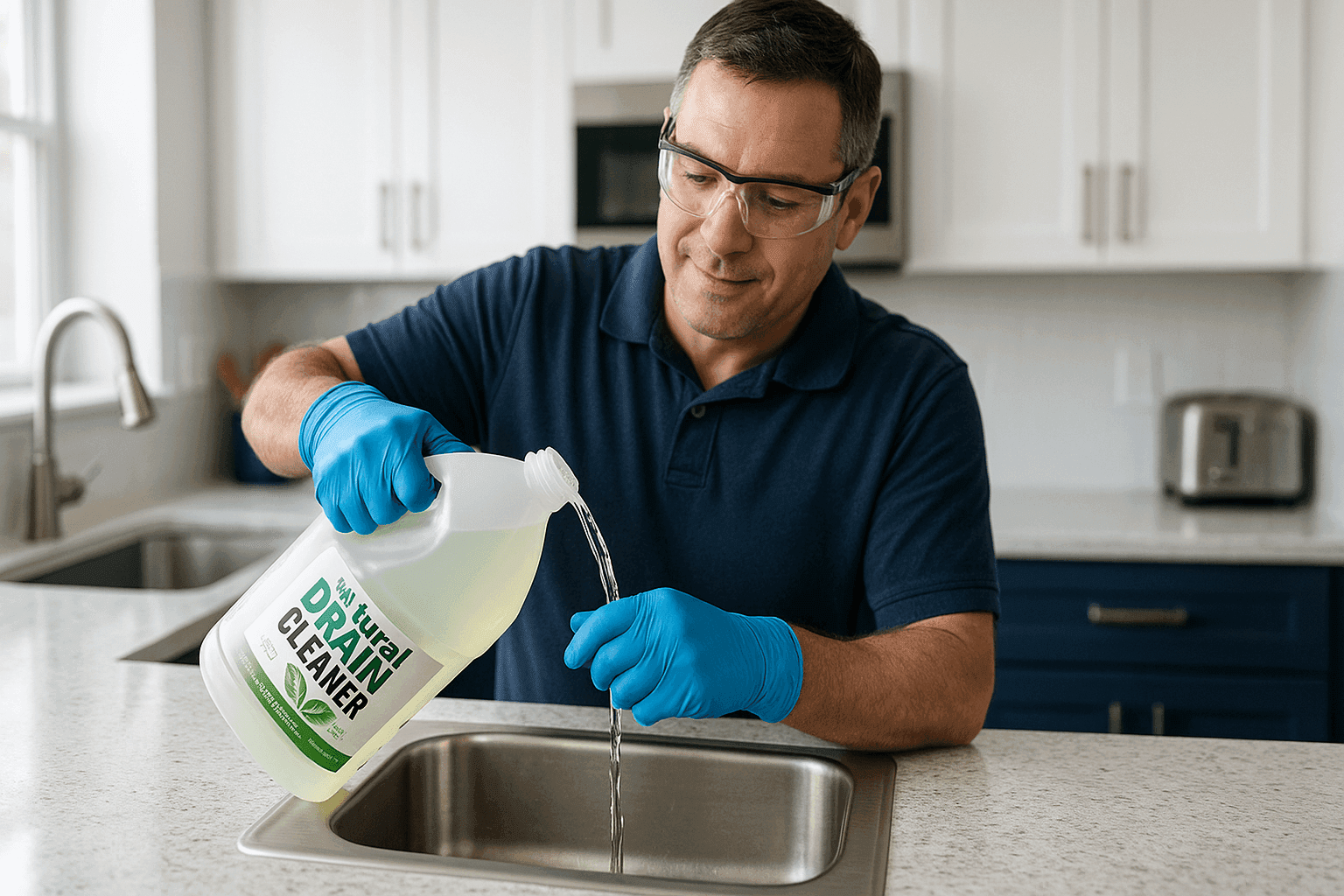
Is there anything more frustrating than a slow kitchen sink or a bathtub that refuses to drain? You’re not alone. Clogged drains are one of the most common home plumbing headaches. They can strike at the worst possible moment—like just before guests arrive or late at night.
At Hynes Plumbing, we know that emergency plumbing issues like these create stress and disrupt your routine. That’s why we offer fast, reliable help and simple tips to keep your drains healthy. Let’s break it down, step by step.
Why Drains Clog 🚿
Clogged drains are like traffic jams for your pipes. Most blockages start small and grow over time.
Common causes of drain clogs:
- Grease and oil: These cool and harden inside pipes.
- Hair: Especially in showers and bathroom sinks.
- Soap scum: Combines with hair and debris, forming sticky globs.
- Food scraps: Even with a garbage disposal, some bits just won’t break down.
- "Flushable" wipes: Despite the name, these rarely break down in water.
- Tree roots: In older homes, roots can invade outdoor sewer lines.
If you notice water pooling around your feet in the shower or gurgling sounds from your kitchen sink, you’re probably dealing with a partial blockage. Left unchecked, it only gets worse.
Quick Safety Checklist
Before you reach for any tools or products, take a minute to run through these safety steps:
- Wear gloves—even for simple jobs. Drains can hide sharp debris and bacteria.
- Ventilate the area if you’re using any cleaning products.
- Never mix chemicals (like bleach and ammonia), which can create toxic fumes.
- Turn off water supply in case of major overflows or leaks.
- Unplug appliances around the work area to avoid electrical hazards.
When in doubt, safety comes first. If you’re unsure, it’s best to stop and call in a pro.
DIY Drain Cleaning Methods 🧰
Some minor clogs can be tackled with tools and supplies you probably already have on hand.
1. Hot Water Flush
Pour a kettle of boiling water slowly down the drain. This can melt grease and dislodge small particles. Repeat as needed.
2. Baking Soda & Vinegar
- Pour half a cup of baking soda into the drain.
- Add one cup of vinegar.
- Cover the drain and let it fizz for 10–15 minutes.
- Flush with hot water.
This natural reaction can break up mild clogs without harsh chemicals.
3. Plunger Power
- Use a cup plunger for sinks or a flange plunger for toilets.
- Make sure there’s enough water to cover the rubber part.
- Give 8–10 firm pumps.
4. Drain Snake (Auger)
A handheld drain snake can grab or break up deeper blockages. Insert it gently, crank, and pull out debris. Always clean the tool afterward.
Tool recommendations:
- Cup or flange plunger (look for sturdy handles)
- Handheld auger (for small household drains)
- Non-toxic enzyme-based cleaners (e.g., Biokleen or Green Gobbler)
Safety note: Avoid caustic chemical drain openers—they can damage pipes and are dangerous if splashed.
What Not to Pour Down the Drain 🚫
A little prevention goes a long way. Many clogs start with what we rinse away, thinking the pipes can handle anything. They can’t.
Keep these out of your drains:
- Coffee grounds (they clump and stick)
- Cooking grease, fats, and oils
- Eggshells (sharp edges and sticky membrane)
- Pasta and rice (they swell with water)
- Paint, solvents, and chemicals (toxic to people and pipes)
- Dental floss and hair ties
Think of your plumbing like your body’s arteries—only certain things should flow through. When in doubt, toss it out.
When to Call a Pro
Some clogs are stubborn. Or you spot signs of bigger trouble:
- Water backs up in multiple fixtures (sink, tub, toilet) at once
- You smell rotten eggs or sewage
- Drains make bubbling or gurgling noises
- DIY fixes don’t last or the problem returns fast
These could signal a deeper issue—like a blocked main sewer line or pipe collapse. Here’s where you need help from a licensed plumber.
How Hynes Plumbing Cleans Drains 🛠️
When you call Hynes Plumbing, you’re getting more than just quick fixes. Our residential specialists arrive with advanced tools and a respect for your home.
Our drain cleaning process:
- Inspection: We use non-invasive video cameras to see inside your pipes without tearing up floors or walls.
- Diagnosis: Once we spot the problem, we explain your options in plain language.
- Cleaning: Depending on the clog, we may use high-pressure hydro jetting (water jets that clear even tough blockages) or mechanical augers.
- Follow-up: We’ll test your drains before we leave, and explain how to keep things flowing.
Real-life case study:
A family in a century-old home called us when their kitchen sink clogged every week. Our camera revealed a tangle of tree roots in the main line. With hydro jetting, we cleared the roots—no digging required. The family could cook and clean without worry.
Satisfaction matters:
We take pride in clear communication, upfront pricing, and respecting your time and property.
Before & After: Drain Cleaning in Action
Before:
A slow-draining shower, standing water, and a musty smell. Homeowners tried drain cleaners and plungers—nothing worked.
After:
Our team arrived, scoped the line with a camera, and removed a solid mass of hair and soap scum with a power auger. Within an hour, water flowed freely and the odor vanished.
Drain Cleaning Tools & Products: What Really Works?
For homeowners:
- Plungers: Choose heavy-duty rubber with a solid handle.
- Drain snakes: Handheld, 15–25 feet for home use.
- Enzyme drain cleaners: Use monthly to break down organic buildup.
Professional tools:
- High-pressure hydro jetters (for main lines)
- Motorized augers with various heads
- Video inspection cameras
Always read product labels and follow safety guidelines from the manufacturer and local codes (see: International Plumbing Code 2021).
Preventative Maintenance: Keep Drains Clear Year-Round 🛡️
A little regular care keeps plumbing emergencies at bay.
Simple steps:
- Use drain screens in sinks and tubs to catch hair and debris.
- Pour boiling water down the kitchen drain weekly.
- Clean stoppers and strainers monthly.
- Run cold water while using the garbage disposal.
- Schedule annual drain inspections—especially in older homes.
When It’s an Emergency
Not every clog is “urgent,” but some require immediate help:
- Water or sewage overflowing onto floors
- Multiple fixtures won’t drain at all
- You smell gas (call your utility and 911 first, then us)
- Toilet won’t unclog and threatens to flood
In these moments, emergency plumbing service is essential to prevent property damage, health hazards, and costly repairs.
FAQ: Common Drain Cleaning Questions
Q: Are chemical drain cleaners safe?
A: Most caustic products can eat away at pipes and harm the environment. Enzyme-based solutions or mechanical methods are safer for homes.
Q: How often should I clean my drains?
A: Monthly for kitchen and bathroom sinks, and whenever you notice slow draining.
Q: Can you clear tree roots from the main sewer line?
A: Yes. We use high-pressure hydro jetting and root-cutting tools designed for this purpose.
Q: Is it normal for water to gurgle when draining?
A: Gurgling can mean a partial clog or vent issue. If it happens often, a pro inspection is best.
Local & Seasonal Tips
- Winter: Pipes are more likely to clog when cold grease hardens quickly. Keep water hot while running disposals.
- Spring: Tree roots grow fast—schedule a sewer line inspection if you have large trees near your home.
- Holiday season: More cooking and guests mean more strain on drains. Remind family what not to flush or rinse.
References
- International Plumbing Code (2021 Edition)
- EPA Guidelines for Household Wastewater
- National Association of Home Builders: Plumbing Maintenance Tips
Keep your drains running smoothly—day or night. For safe, professional drain cleaning or emergency plumbing,
Call Hynes Plumbing now — or reach us anytime at 888-426-1013 .