How to Choose the Right Water Filtration System for Your Home
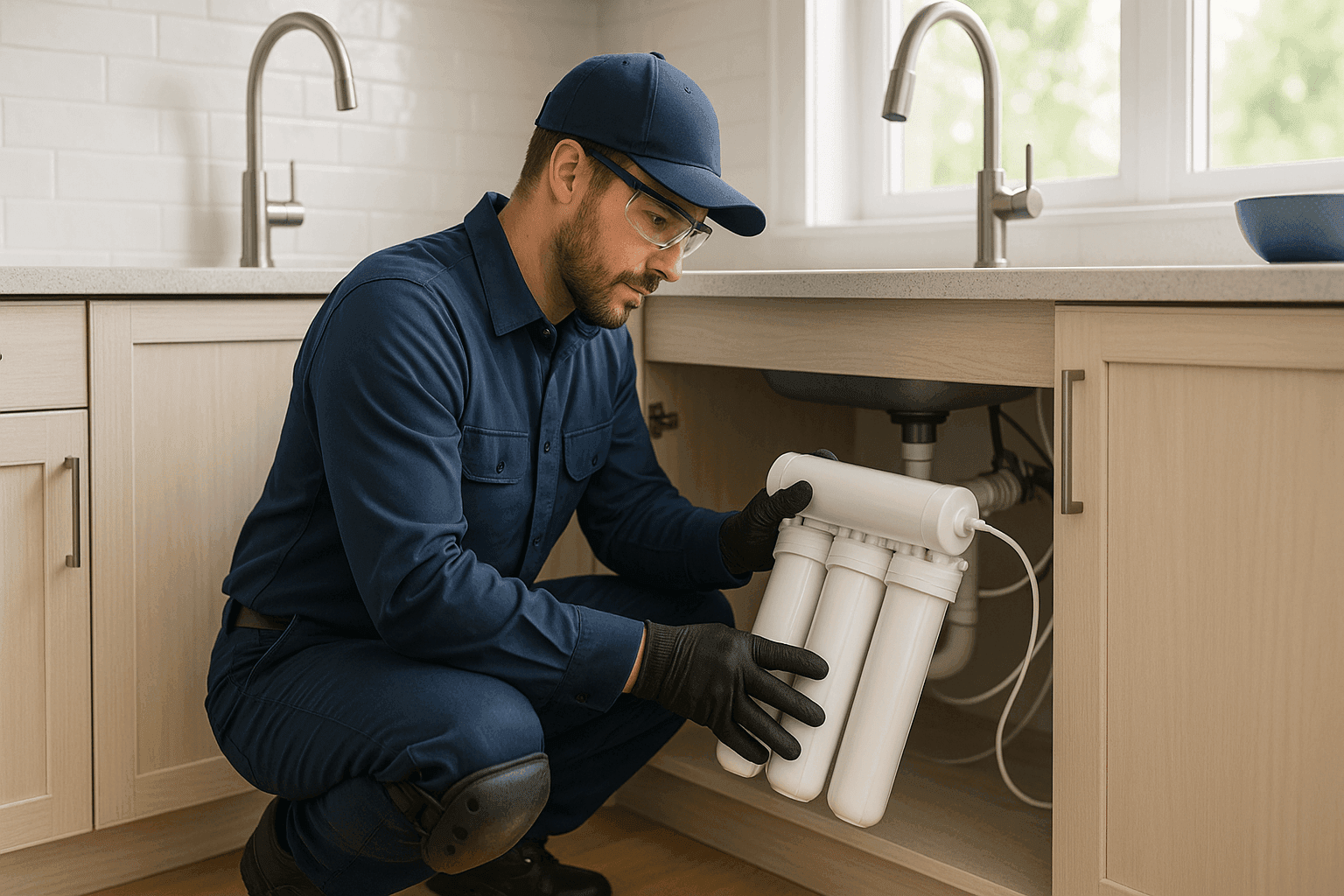
Imagine turning on your tap, expecting clean, fresh water—and getting a glass that smells odd, tastes funny, or leaves white streaks on your sink. It’s frustrating. It’s unsettling. And you’re not alone. Many homeowners struggle to figure out which water filtration system will truly solve their water worries.
At Hynes Plumbing, we’ve seen it all. From sudden emergency plumbing calls to long-term water heater repair near you, we know how much your family depends on safe, reliable water. Choosing the right water filtration system isn’t just a nice upgrade—it’s peace of mind for every glass, every shower, every meal.
Why Water Filtration Matters 🚰
Water is the lifeblood of your home. But unfiltered water can be like a river running wild—sometimes clear, sometimes full of hidden risks.
- Chlorine and Chemicals: Many municipal water supplies use chlorine to kill bacteria, but that can leave your water with a sharp taste and smell.
- Hard Water: If you’ve noticed white buildup on your faucets, you’re probably dealing with minerals like calcium and magnesium.
- Sediment and Rust: Old pipes or construction nearby? Tiny particles can sneak into your water, clouding it up.
- Lead and Heavy Metals: Even trace amounts can be dangerous, especially for kids and older adults.
According to the U.S. Environmental Protection Agency (EPA), tap water in most areas meets strict safety standards. But those standards don’t cover everything—or account for what happens in your home’s pipes. That’s why many families turn to water filtration.
Types of Home Water Filtration Systems
Choosing a water filtration system is a bit like picking the right vehicle for your journey. Some are built for speed, others for heavy hauling. Here are the most common types you’ll come across:
Pitcher Filters
- Simple and affordable
- Good for small households or renters
- Removes chlorine, some sediments, and taste/odor issues
- Needs frequent filter changes
Faucet-Mounted Filters
- Installed directly on your kitchen tap
- Easy to use and swap out
- Effective for chlorine, sediment, and some metals
- Can slow water flow
Under-Sink Filters
- Installed under your kitchen sink, out of sight
- Great for families who drink and cook with tap water
- Removes a wider range of contaminants, depending on the cartridge
- Professional installation recommended
Whole-House Filters
- Treats all the water entering your home
- Essential if you have well water, old pipes, or high sediment
- Tackles chlorine, sediment, rust, and sometimes bacteria
- Larger upfront cost, but protects every tap and appliance
Reverse Osmosis (RO) Systems
- Uses a multi-stage process to remove up to 99% of contaminants
- Great for those worried about lead, nitrates, or other tough impurities
- Produces very clean water, but wastes some water in the process
- Usually installed under the sink
Water Softeners
- Specifically targets hard water minerals
- Prevents scale buildup in pipes, water heaters, and appliances
- Does not remove bacteria or chemical contaminants
How to Assess Your Water Quality 🧪
Before you invest, you need to know what’s in your water. It’s like going to the doctor—you can’t treat what you don’t test.
- Check Your Local Water Report: Your municipality is required to provide a Consumer Confidence Report every year. This tells you what’s in your water and if any contaminants are above safe levels.
- At-Home Tests: You can buy simple water test kits at hardware stores. These can tell you about hardness, chlorine, pH, and sometimes lead.
- Professional Testing: For a deeper look—especially if you’re on well water or have older pipes—call Hynes Plumbing. We offer thorough water analysis as part of our plumbing and preventative maintenance services.
- Watch for Signs: Cloudy water, metallic taste, limescale on fixtures, or stains in sinks and tubs all point to underlying issues.
Local construction, storms, or changes in water treatment practices can affect quality overnight. It’s wise to check in every year—or sooner if you notice changes.
Cost and Maintenance Considerations
A water filtration system is an investment, not just a purchase. It’s like buying a new appliance: there’s a cost up front, and then there’s the care it needs to keep running smoothly.
Upfront Costs
- Pitcher and Faucet Filters: $20–$100 for the unit, plus filter replacements
- Under-Sink Systems: $150–$450 for equipment, more for professional installation
- Whole-House Systems: $800–$3,000+, varies with capacity and features
- Reverse Osmosis: $200–$600 for most home units
Ongoing Maintenance
- Filter Replacements: Most need swapping every 2–6 months, depending on use and filter type.
- System Checks: Some systems have indicator lights; others need a calendar reminder.
- Annual Inspections: Hynes Plumbing recommends a yearly checkup—especially for whole-house and RO systems.
Hard water or high sediment? You’ll replace filters more often. It costs a bit more, but it’s far less than repairing clogged pipes, failed water heaters, or damaged appliances.
Professional vs. DIY Installation 🛠️
You can find plenty of videos about installing water filters. But here’s the truth: plumbing is like a puzzle. Sometimes, the pieces fit. Sometimes, you end up with leaks, low water pressure, or even water damage.
DIY Installation
- Good for: Pitcher, faucet, or countertop filters
- Tools needed: Usually just basic wrenches and pliers
- Risks: Overtightening, poor seals, missed steps
Professional Installation
- Good for: Under-sink, whole-house, reverse osmosis, and water softeners
- Tools needed: Specialized wrenches, pipe cutters, sometimes soldering equipment
- Benefits: Correct sizing, leak-free connections, warranty protection
- Peace of mind: Hynes Plumbing’s licensed plumbers follow all local codes and safety guidelines, including EPA and NSF standards for water filtration.
A professional install means no guesswork. No last-minute dashes to the hardware store. Just clean, safe water—every time you turn on the tap.
Local Water Quality Issues: What Homeowners Need to Know
Water problems aren’t one-size-fits-all. In some neighborhoods, old pipes mean higher risks of lead or rust. In others, hard water is the main culprit, leaving white rings and clogging coffee makers.
- Older Homes: Higher risk of lead, copper, or galvanized steel pipes
- Well Water: May contain bacteria, pesticides, or iron
- New Construction: Sediment from disturbed soil or new plumbing
- Recent Emergencies: Flooding, storms, or emergency plumbing work can stir up sediment or contaminants
Check with the EPA’s Safe Drinking Water Hotline or your local water utility for recent updates. And if you’ve had to call for emergency plumbing or major repairs, consider a full water quality check—just to be safe.
Practical Tips for Choosing the Right Filter
- Test First: Know what you’re dealing with before you buy.
- Match the Filter to the Problem: Hard water? Choose a softener. Chlorine taste? Look for activated carbon.
- Consider Flow Rate: Bigger systems can slow down your water if not sized correctly.
- Think About the Future: If you plan to remodel or add new fixtures, size your system for tomorrow’s needs, not just today’s.
- Ask for Certifications: Look for NSF/ANSI certifications on any filtration system. These show the filter has been tested for safety and performance.
Hynes Plumbing’s Installation: What Sets Us Apart
Our team handles everything—from initial water testing to final system checks. We’re always up to date with the latest plumbing codes and EPA recommendations. And our plumbers take the time to explain your options, so you always know exactly what’s going in your home.
From kitchen plumbing upgrades to emergency fixes, we treat your water as if it were our own. That’s the Hynes Plumbing difference.
FAQ: Water Filtration at Home
How often do filters need to be replaced?
Most filters need changing every 2–6 months, but it depends on your water quality and how much you use. Some higher-end systems stretch to a year.
Will a water filter remove all contaminants?
No single filter removes everything. Reverse osmosis systems are the most thorough, but you may need a combination (like a sediment filter plus RO) for full coverage.
Is filtered water safe for pets and plants?
Yes! In fact, removing chlorine and heavy metals can be healthier for pets and better for sensitive houseplants.
What if my water smells like rotten eggs?
This is usually sulfur, often found in well water. It requires a special filter—let Hynes Plumbing help you choose the right one.
Seasonal and Local Factors to Watch
Water problems can spike after big storms, droughts, or city water main repairs. It’s smart to test your water after any major event—or after emergency plumbing work in your neighborhood.
In winter, pipes can corrode faster, raising the risk of rust or metal leaching. Summer brings higher water demand, which can stir up sediment or drop water pressure. Stay alert, and don’t hesitate to call if something changes.
Ready for fresher, safer water? Whether you need a quick water heater repair near you or a full home water filtration upgrade, Hynes Plumbing is here to help.
Call Hynes Plumbing now — or reach us anytime at 888-426-1013 .