Boiler Repair for Homeowners: Troubleshooting and Safety Tips
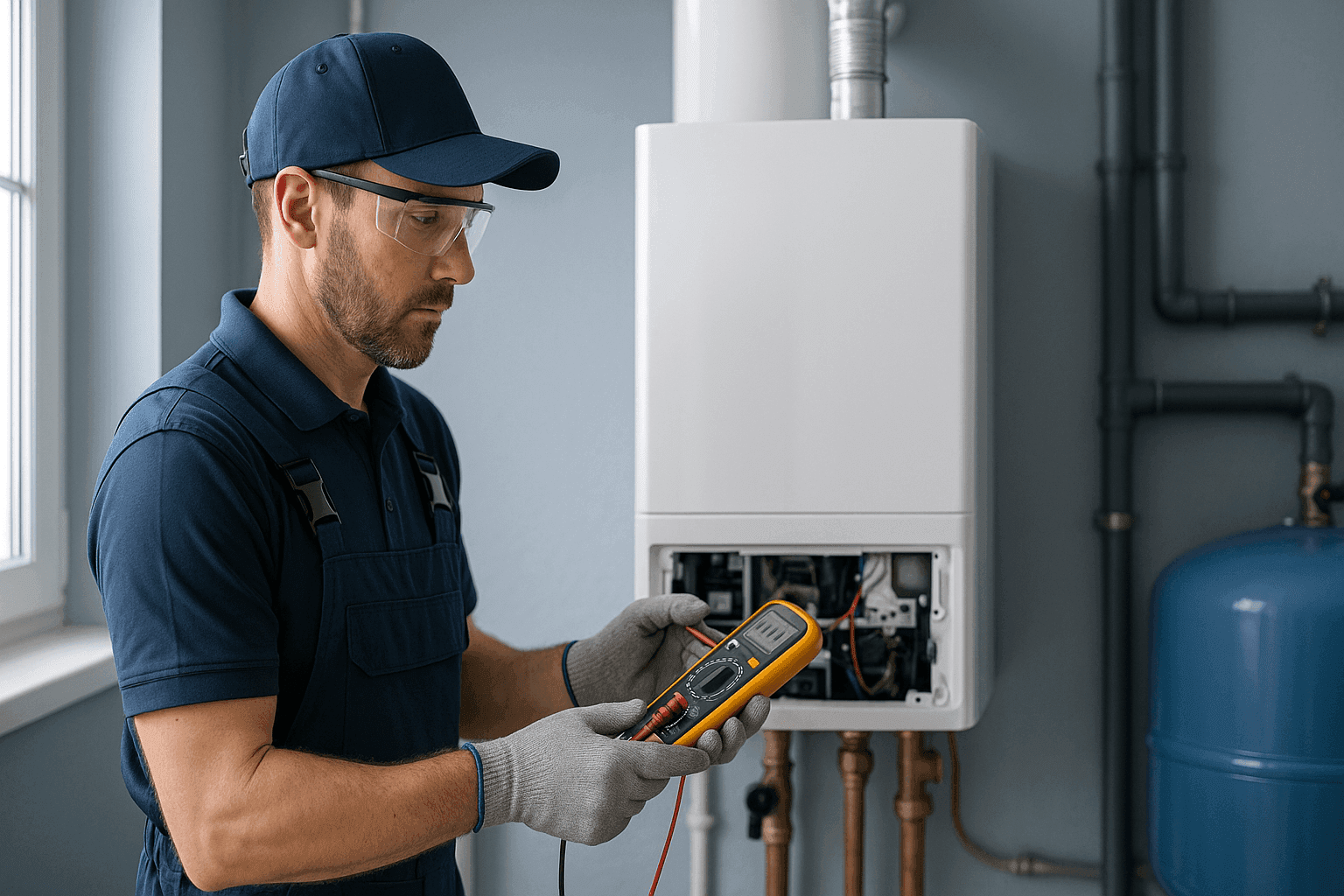
Boilers keep your home warm and water hot—until something goes wrong. If you’ve ever woken up to icy floors or no hot shower, you know it’s more than an inconvenience. It’s urgent, stressful, and sometimes overwhelming.
At Hynes Plumbing, we understand what it feels like when your boiler acts up in the dead of winter. Our licensed, insured team is ready for emergency plumbing calls day or night, so you can get back to comfort—and safety—fast.
Boiler Basics for Homeowners 🔧
Think of your boiler as the heart of your home's heating system. When it works, everything flows smoothly. When it doesn’t, things get cold, fast. Boilers heat water and send it through pipes to radiators or underfloor systems. Unlike forced-air furnaces, they rely on water pressure and temperature sensors to do their job.
A quick snapshot of home boilers:
- Types: Combi (heats water on demand) and system (stores hot water in a tank)
- Fuels: Natural gas, propane, oil, or electricity
- Key Controls: Thermostat, pressure gauge, pilot light/ignition, and safety shut-offs
Knowing these basics helps you spot when something’s off—and what to check before calling for water heater repair near you.
Common Boiler Issues
Boilers rarely fail without warning. Look for these telltale signs:
- No heat or hot water: Could be thermostat, low pressure, or failed pilot light
- Strange noises: Banging, whistling, or gurgling often points to air in the system or limescale buildup
- Leaking or dripping: Usually pipework, seals, or pressure valve issues
- Pilot light keeps going out: Gas supply or thermocouple problems
- Pressure too high/low: Faulty pressure relief valve or leaks
- Radiators not heating up: Could be trapped air or sludge
Here’s a quick symptom/solution guide:
| Symptom | What It Might Mean | What You Can Try | |-------------------|------------------------|-----------------------| | No heat | Thermostat/burner off | Reset thermostat, check power | | Cold radiators | Air in system/sludge | Bleed radiators | | Odd noises | Limescale, air, low water| Check pressure, bleed system | | Water leaks | Valve/seal problem | Turn off boiler, call a pro | | Pressure drops | Leak or faulty valve | Re-pressurize if safe |
DIY Troubleshooting
Before you reach for the phone, there are a few things every homeowner can do safely:
- Check the thermostat. Set it higher than room temperature and see if the boiler kicks in.
- Look at the pressure gauge. Most boilers need 1–2 bar. If it’s in the red, you might need to re-pressurize (see your user manual).
- Reset the boiler. Find the reset button—often behind a small panel.
- Bleed the radiators. If some are cold at the top, let the trapped air out with a radiator key.
- Inspect for obvious leaks. If you spot water, turn off the boiler and main water supply.
Safety Warning: Never remove a boiler cover, touch wiring, or attempt gas repairs. Always shut off power before poking around. Gas and electricity can be deadly.
Boiler Safety Tips ⚠️
Your safety is the top priority. Here’s how to avoid accidents and keep your home protected:
- Install carbon monoxide alarms near your boiler and sleeping areas (required by code in most states).
- Keep the area clear. Don’t store flammable objects near your boiler.
- Check for gas smells. If you smell gas, leave your home immediately and call your gas provider—then a licensed plumbing professional.
- Annual inspections by certified technicians (per the National Fire Protection Association and local codes).
- Know where the shut-offs are. Label your main water and gas valves for quick access.
When to Call a Pro
Some problems need a qualified hand—fast. Call for emergency plumbing help if you notice:
- Water pooling around the boiler
- No heat at all, especially in freezing temps
- Pilot light won’t stay lit after resets
- Burning, electrical, or gas odors
- Unusual noises that get louder or more frequent
At Hynes Plumbing, we’re fully licensed, insured, and certified to handle gas and water heater repair near you, whenever you need it.
What Pros Do On Arrival
When our team arrives, here’s what you can expect:
- Safety check: Gas, water, and electrical connections are inspected first.
- Diagnostic tests: Using gauges and meters, we find the root problem.
- Code-compliant repairs: We follow the latest Uniform Plumbing Code and manufacturer guidelines.
- System reset and test-run: Your system is checked for safe, reliable operation before we leave.
- Friendly walkthrough: We’ll explain what went wrong, what was fixed, and how to prevent future issues.
Prevention and Maintenance 🗓️
A little attention goes a long way. Here’s how to keep your boiler humming all winter:
- Annual tune-ups by a certified plumber (a must for warranties and insurance)
- Flush system to remove sludge or scale buildup
- Test pressure relief valves and thermostat function
- Check for leaks at least every season
- Bleed radiators at the first sign of cold spots
- Check carbon monoxide detectors every month
The U.S. Department of Energy and your manufacturer's manual both recommend annual boiler inspections for safety and efficiency.
Costs and Time Factors
Repair costs and time can vary based on the problem:
- Minor fixes: (like thermostat replacement or bleeding radiators) can take 30–60 minutes
- Leaks or pressure issues: 1–3 hours, depending on access and parts
- Major repairs: (valve, pump, or heat exchanger) can take half a day or more
Remember, emergency plumbing calls may cost more after hours or on holidays, but keeping your home safe is always worth it.
When It’s an Emergency 🚨
Some situations just can’t wait:
- No heat in freezing weather
- Visible gas leaks or strong odors
- Uncontrolled water leaks
- Repeated boiler shutdowns
- Carbon monoxide alarms going off
If any of these happen, call a licensed emergency plumber immediately. Delays can risk your home and your health.
FAQ: Boiler Repair for Homeowners
Q: How often should I have my boiler checked?
A: At least once a year by a certified plumber. Check more often if your system is older or you notice problems.
Q: Is it safe to repair a boiler myself?
A: You can try basic checks like bleeding radiators or resetting the unit, but never open the casing or touch gas/electric lines.
Q: What’s the lifespan of a home boiler?
A: Most last 10–15 years with regular maintenance. Older units may be less efficient and need more frequent repairs.
Q: Do I need to worry about carbon monoxide?
A: Yes. Faulty boilers can release CO, which is odorless and deadly. Install detectors and call a professional if alarms sound.
Local and Seasonal Considerations
Boilers work hardest during cold snaps and wet seasons. In areas prone to sudden temperature drops, pipes can freeze and burst—keep your home heated above 55°F, even when away. If you live in an older home, schedule a pre-winter checkup to avoid surprises.
Winter storms or power outages? Know where your manual shut-offs are and always have Hynes Plumbing’s number handy for emergency plumbing service.
Keep your home safe and warm. For quick, reliable boiler repair or emergency plumbing,
Call Hynes Plumbing now — or reach us anytime at 888-426-1013 .