Backflow Prevention for Homeowners: What It Is and Why It Matters
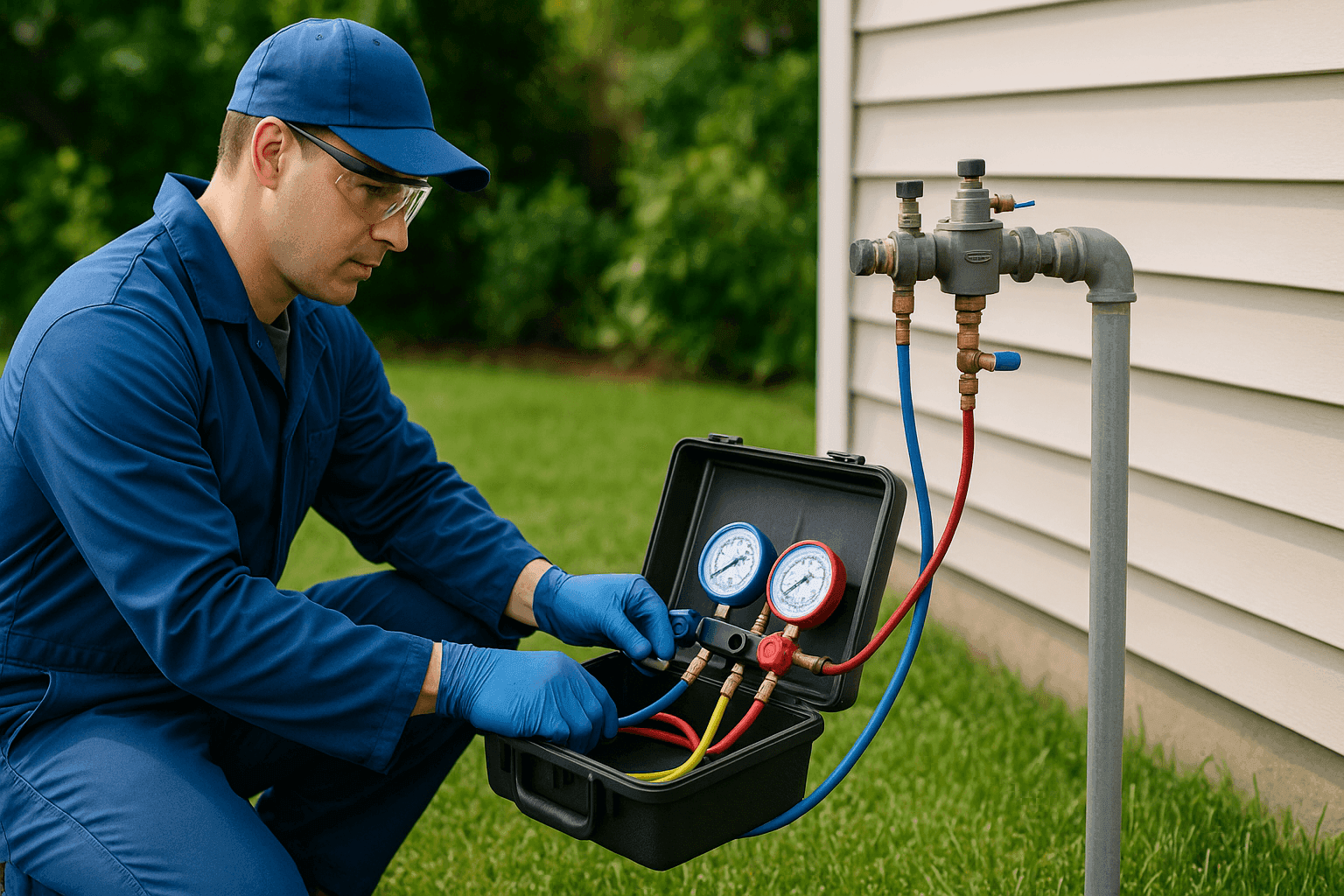
Have you ever worried about what’s really in your tap water? It’s easy to take clean water for granted—until something goes wrong. One hidden risk many homeowners never see coming is backflow. And when it strikes, it moves fast.
At Hynes Plumbing, we help families protect their homes and health through fast, reliable emergency plumbing. Our licensed technicians know how to spot and stop backflow before it turns into a nightmare. Here’s what every homeowner should know to keep their water safe.
What is Backflow? 🚰
Imagine a river suddenly flowing backwards, carrying everything upstream. That’s what backflow is like in your plumbing. Instead of water moving cleanly into your home, pressure changes send dirty water the wrong way—straight into your pipes.
Backflow can draw in lawn chemicals, sewage, or other contaminants. It’s not always visible, but the risks are real. A sudden drop in city water pressure, a burst main, or even a nearby fire hydrant in use can set it off.
If you’ve heard about boil-water advisories or local water scares, backflow is often the culprit. Stopping it starts at home.
Why Backflow Prevention is Critical
Water is life. But when pollutants sneak into your supply, everything changes. Backflow doesn’t just threaten your showers or laundry—it can make water unsafe for cooking, drinking, or brushing teeth.
Here’s why prevention matters:
- Health Protection: Contaminated water can cause serious illness. The CDC warns that backflow can spread bacteria, viruses, and hazardous chemicals.
- Protecting Your Pipes: Dirty water can damage fixtures, water heaters, and even new appliances.
- Community Safety: Your home’s backflow can affect neighborhood water. Local codes require devices to protect the public supply.
- Legal Requirements: Most regions, including Massachusetts and New York, require annual backflow prevention testing by licensed plumbers (see: EPA Cross-Connection Control Manual).
Ignoring backflow risks more than your comfort—it can put your entire household and neighborhood at risk.
Common Types of Backflow Devices
Backflow prevention devices are like one-way gates. They let water flow into your home, but never back out. Here are the most common types:
- Atmospheric Vacuum Breaker (AVB): Simple, effective, often found on outdoor spigots and irrigation.
- Pressure Vacuum Breaker (PVB): More robust, used on sprinkler systems and commercial setups.
- Double Check Valve Assembly (DCVA): Reliable for residential and small business use.
- Reduced Pressure Zone (RPZ) Assembly: The gold standard for high-risk connections—protects against even toxic contaminants.
Visual Guide to Backflow Devices
Picture a clear plastic tube with a swinging flap inside. When water flows the right way, the flap opens. If pressure reverses, the flap slams shut, blocking contaminated water. Larger assemblies may have gauges and test ports—these help plumbers verify everything works as designed.
Tip: If you see a boxy device near your water meter or sprinkler line, that’s likely your backflow preventer.
Annual Backflow Testing
Backflow devices aren’t “set and forget.” Over time, parts wear out or get stuck. That’s why most cities and water authorities require yearly testing.
What’s Involved?
- A certified plumber inspects and tests the device with specialized gauges.
- If the device fails, repairs or replacement are done right away.
- Documentation is provided for your records and local authorities.
Certification Matters: Hynes Plumbing is fully licensed and certified for backflow prevention and testing. We follow all state and municipal codes, including Massachusetts 310 CMR 22.22 and NYC DEP regulations.
Signs of Backflow Problems
Backflow isn’t always obvious, but there are warning signs:
- Strange Water Taste or Odor: If tap water suddenly tastes earthy, metallic, or smells odd, act fast.
- Discolored Water: Brown, yellow, or cloudy water could signal contamination.
- Visible Debris or Sediment: Grit or particles in water mean something’s not right.
- Sudden Drop in Water Pressure: This can trigger or signal backflow issues.
- Unusual Sounds: Gurgling or bubbling noises from fixtures may be a clue.
If you notice any of these, call a licensed plumber immediately. Emergency plumbing isn’t just about broken pipes—it’s about protecting what matters most.
Regional Code Notes
It’s not just a “good idea”—it’s the law. Local codes set strict rules for backflow prevention:
- Northeast US: Annual testing is mandatory, with certified reports filed to your water supplier.
- Midwest and South: Outdoor irrigation and pool connections must have approved devices.
- West Coast: Earthquake-prone zones require double-check assemblies on all new builds.
Tip: Always check with your city or town’s building department for specific rules.
Quick Safety Checklist ✅
- Know where your main shutoff valve is.
- Check if your home has a backflow device.
- Schedule annual testing—keep records.
- Never connect hoses to chemical sprayers without a backflow preventer.
- Watch for changes in water taste, color, or pressure.
What If You Suspect a Problem? DIY vs. Call a Pro
Some minor plumbing issues can be tackled with a wrench and a YouTube video. Backflow isn’t one of them.
DIY Risks:
- Testing requires special gauges and expertise.
- Tampering with devices can void your insurance or violate local codes.
When to Call a Pro:
- Annual testing.
- New device installation.
- If you notice any signs of water contamination.
A certified plumber will check the device, test water flows, and ensure everything meets local safety codes.
What the Pros Do on Arrival
When you call Hynes Plumbing for emergency plumbing or annual backflow testing, here’s what you can expect:
- Visual inspection of all backflow devices and connections.
- Precision testing with calibrated gauges.
- Detailed records and reports for compliance.
- Immediate repairs or replacement if needed.
- Clear, honest communication every step of the way.
Our team is trained, background-checked, and certified by state and national agencies. We bring the right tools and up-to-date knowledge, so you don’t have to worry.
Prevention & Maintenance
Keeping your home safe from backflow isn’t a one-time job. Here’s how to stay ahead:
- Schedule annual testing—mark your calendar.
- Inspect irrigation and outdoor spigots for visible damage.
- Upgrade old devices if your plumber recommends it.
- Teach everyone in your household where the shutoff valve is.
- Consider water filtration systems for added peace of mind.
Costs & Time Factors
Backflow prevention is an investment in safety. What should you expect?
- Time: Annual testing usually takes under an hour.
- Device lifespan: Most last 5–10 years with proper care.
- Repair vs. Replacement: Repairs are generally fast. Full replacement depends on device type and location.
- Paperwork: Certified plumbers provide all necessary documentation for your records.
Remember, the cost of prevention is always less than dealing with contaminated water or emergency plumbing repairs.
When It’s an Emergency
Backflow doesn’t always strike during business hours. If you notice dirty water, sudden pressure changes, or water you can’t trust, don’t wait.
- Shut off your main water valve if you suspect contamination.
- Avoid using water until a licensed plumber inspects your system.
- Call for emergency plumbing—fast action protects your home and health.
Hynes Plumbing answers calls 24/7 because water problems don’t keep office hours.
FAQ: Backflow Basics
What causes backflow in a home?
Backflow is usually triggered by a sudden change in water pressure—like a burst main, firefighting nearby, or pump failure. It can pull dirty water into clean lines fast.
Do all homes need backflow prevention devices?
Most homes with irrigation, pools, or certain plumbing setups are required to have them by law. Your local building code will specify what’s needed.
How often should backflow devices be tested?
Annual testing is the standard in most regions. Some high-risk properties may require more frequent checks.
Can I test my own backflow device?
No. Testing requires certified gauges and proper training. DIY testing can miss hidden problems and may not meet local legal requirements.
Local and Seasonal Considerations
- Winter: Freezing temperatures can damage backflow devices on outdoor lines. Insulate or drain before cold weather hits.
- Spring/Summer: Irrigation and pool systems need annual checks before first use.
- After Construction or Renovation: Always have a plumber check your backflow devices after major plumbing work.
Certifications You Can Rely On
Hynes Plumbing holds all required state licenses and backflow prevention certifications. Our technicians complete regular training and follow guidelines from the EPA, ASSE (American Society of Sanitary Engineering), and local authorities.
Your water is too important to leave to chance.
Call Hynes Plumbing now — or reach us anytime at 888-426-1013 .